Public feed

Ayurvedic editorial curation

Science articles classified by dosha, srota and dhatu. Filter to find what matters to you today.

  • openalex🗞️ Published on Ayurdrops: Jul 22, 2026📅 Source: Jul 20, 2026

    The Impact of Social and Electronic Media on Child Health: An Ayurvedic Perspective

    Researchers highlight that excessive use of social and electronic media can negatively affect children's development, influencing physical and mental aspects. The study, led by Vd Pankaj Kumar Singh and collaborators, explores how exposure to these media can deregulate Agni (digestive fire) and impact the balance of the doshas, especially in growing children. The research suggests that constant interaction with electronic devices can lead to increased anxiety and hyperactivity, as well as affecting sleep quality and concentration ability. The Ayurvedic perspective emphasizes the importance of a balanced environment and healthy practices to mitigate these effects, such as promoting outdoor activities and reducing screen time. Although the study provides valuable insights, it is important to consider its limitations, such as the lack of longitudinal data and the need for more research to establish clear causal relationships.
  • Frutose
    europepmc🗞️ Published on Ayurdrops: Jul 22, 2026📅 Source: Jul 20, 2026

    Patolakaturohiniyadi Kashayam and Its Effects on Liver Fat and Obesity: What Research Reveals

    Researchers investigated the effects of Patolakaturohiniyadi Kashayam (PKR), a classical Ayurvedic formulation, on the regulation of lipid metabolism and improvement of metabolic dysfunction associated with obesity. The study used an integrated approach, including network pharmacology and analyses in cellular and animal models. Results showed that PKR significantly reduced lipid accumulation and triglyceride levels in hepatic and adipose cells. In an animal model fed a high-fat and high-fructose diet, PKR decreased body, liver, and adipose tissue weight, improved blood lipid profiles, and reduced levels of liver enzymes AST and ALT. Additionally, PKR improved glucose tolerance and elevated levels of GLP-1, a hormone that helps regulate appetite and glucose. Identified mechanisms include modulation of genes such as TP53, AKT1, IL6, TNF, and STAT3, which are involved in the regulation of lipid metabolism and inflammation. These findings highlight the potential of PKR as a multi-target therapy for metabolic dysfunctions.

  • Óleo de Mostarda
    rss:maharishi🗞️ Published on Ayurdrops: Jul 21, 2026📅 Source: Jul 20, 2026

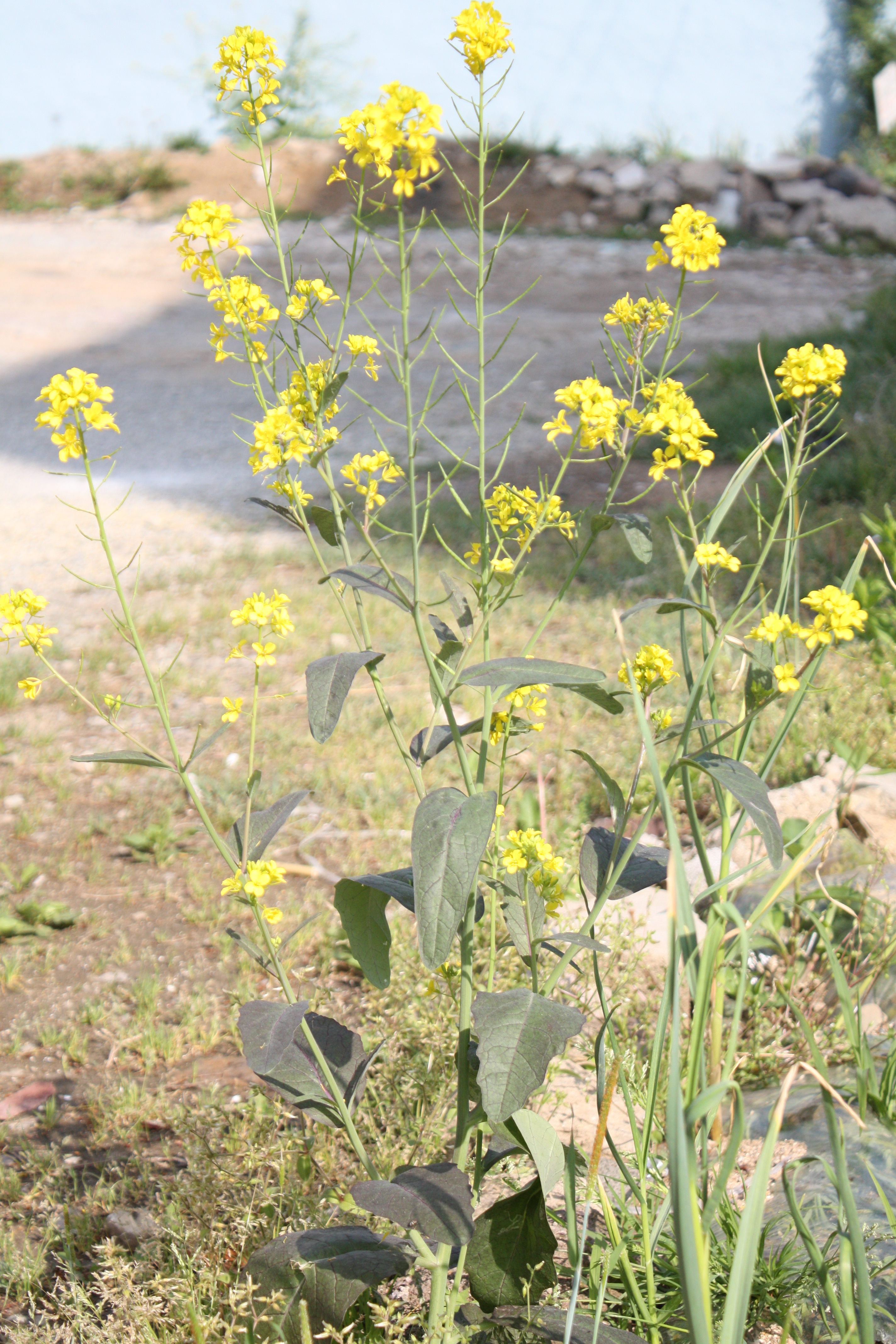
    Mustard Oil: An Ally for Massage and Hair Care?

    Researchers highlight that mustard oil, traditionally used in Ayurveda, may be beneficial for massages and hair care. Its warming nature can aid circulation, muscle relaxation, and scalp nourishment, as well as relieve dryness. However, people with sensitive skin or Pitta imbalance should be cautious, as the oil may aggravate irritations. Mustard oil is considered sharp and stimulating, being useful in cold climates and for Vata and Kapha concerns. To ensure safety, a patch test is recommended before use. The choice of oil should prioritize options like cold-pressed mustard oil, which preserves its natural properties.

  • Ghee
    openalex🗞️ Published on Ayurdrops: Jul 21, 2026📅 Source: Jul 18, 2026

    Plaque Psoriasis and Ayurveda: What a Clinical Case Reveals about Avartaki Ghrita

    Researchers presented a case study exploring the use of Avartaki Ghrita as part of the treatment for Eka Kushtha, known as plaque psoriasis. The protocol included Snehapana, a form of oleation, followed by Virechana Karma, which is a purification therapy. The patient, a 35-year-old man, showed significant improvement after treatment, with a reduction in skin lesions and relief from associated symptoms. Avartaki Ghrita, which contains ingredients such as ghee and specific herbs, acts on skin nourishment and body detoxification, aligning with Ayurvedic principles aimed at restoring dosha balance. This case highlights the importance of integrative and personalized approaches in managing dermatological conditions, although more studies are needed to validate these findings in larger populations.

  • Manjericão / Alfavaca (Tulasi)
    openalex🗞️ Published on Ayurdrops: Jul 21, 2026📅 Source: Jul 19, 2026

    Formulation of Polyherbal Syrup with Rauvolfia and Tulsi: A Comprehensive Review

    Researchers reviewed the formulation of polyherbal syrups containing Rauvolfia serpentina (Sarpagandha) and Ocimum sanctum (Tulsi), highlighting their medicinal properties and synergy. Rauvolfia is known for its antihypertensive and sedative properties, while Tulsi is valued for its adaptogenic and antioxidant qualities. The combination of these herbs may potentiate therapeutic effects, offering an integrated approach to managing conditions such as hypertension and stress. The authors, Pareena Saini and Arati Tamta, emphasize the importance of clinical studies to validate these formulations and explore the mechanisms of action involved. Although the review presents promising data, limitations such as the lack of robust clinical trials and variability in the quality of the herbs used should be considered.

  • openalex🗞️ Published on Ayurdrops: Jul 21, 2026📅 Source: Jul 19, 2026

    Indian Traditional Medicines in the Treatment of Diabetic Wounds: Biomechanical and Histological Analysis

    Researchers analyzed the efficacy of topical Indian traditional medicines in the repair of diabetic wounds, using biomechanical and histological methods. The study, conducted by Sushma Prabhath and colleagues, revealed that these treatments can improve healing by promoting cellular regeneration and collagen formation. Histological analysis showed a significant increase in fibroblast density and collagen deposition in wounds treated with these medicines, compared to control groups. The results suggest that topical application of traditional medicines may be a promising approach for managing wounds in diabetic patients, although the study has limitations, such as the small sample size and the need for further clinical investigations to validate the findings.

  • openalex🗞️ Published on Ayurdrops: Jul 21, 2026📅 Source: Jul 19, 2026

    Integrative Medicine and Assisted Reproductive Technologies: What the Research Reveals

    Researchers reviewed the influence of complementary and integrative medicine on the outcomes of assisted reproductive technologies, analyzing preclinical and clinical data. The review included studies demonstrating that practices such as acupuncture, herbal medicine, and relaxation techniques can improve the quality of eggs and sperm, as well as increase the success rates of in vitro fertilization (IVF). The authors, including Zahra Shaaban and Zahra Taghipour, highlight that combining integrative approaches with conventional treatments may offer significant benefits, especially in patients facing stress and anxiety during the assisted reproduction process. However, the review also points out limitations, such as the heterogeneity of studies and the need for more rigorous investigations to establish clear protocols. These findings suggest that integrative medicine can be a valuable ally in the journey of couples seeking conception.

  • Manjericão / Alfavaca (Tulasi)
    openalex🗞️ Published on Ayurdrops: Jul 21, 2026📅 Source: Jul 19, 2026

    Formulation of Polyherbal Syrup with Rauvolfia and Tulsi: A Comprehensive Review

    Researchers reviewed the formulation of polyherbal syrups containing Rauvolfia serpentina (Sarpagandha) and Ocimum sanctum (Tulsi), highlighting their medicinal properties and synergy. Rauvolfia is known for its antihypertensive and sedative properties, while Tulsi is valued for its adaptogenic and antioxidant qualities. The combination of these herbs may potentiate therapeutic effects, offering a more effective treatment for conditions such as stress and hypertension. The review also addresses extraction and formulation methods, as well as discussing the safety and efficacy of the herbs. Despite promising properties, research still lacks robust clinical studies to validate the observed benefits.

  • Arjuna
    openalex🗞️ Published on Ayurdrops: Jul 20, 2026📅 Source: Jul 17, 2026

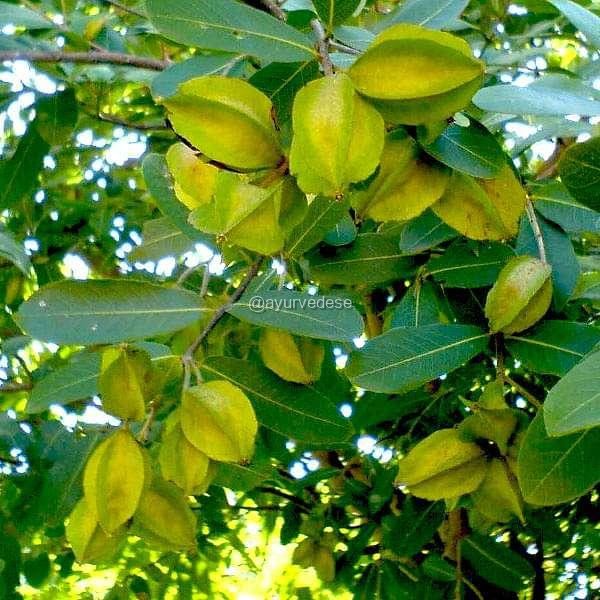
    Arjunetin: A Promising Ayurvedic Molecule for Inflammation, Cancer, and Diabetes

    Researchers have identified arjunetin, a molecule extracted from the bark of Terminalia arjuna, as a substance with significant therapeutic potential. In tests, arjunetin demonstrated anti-inflammatory, anti-cancer, and anti-diabetic activities, as well as cytotoxic effects on cancer cells. The authors, Gandarvakottai Senthilkumar Arumugam and Sathyanarayana N. Gummadi, highlight that arjunetin may act on different metabolic pathways, suggesting a multifactorial mechanism that could be explored in integrative medicine. Although the results are promising, it is important to note that the research is still in early stages and further studies are needed to validate these findings in clinical contexts. The connection between arjunetin and Ayurvedic practices may open new possibilities for the use of medicinal plants in treating chronic diseases.

  • Abóbora
    openalex🗞️ Published on Ayurdrops: Jul 20, 2026📅 Source: Jul 17, 2026

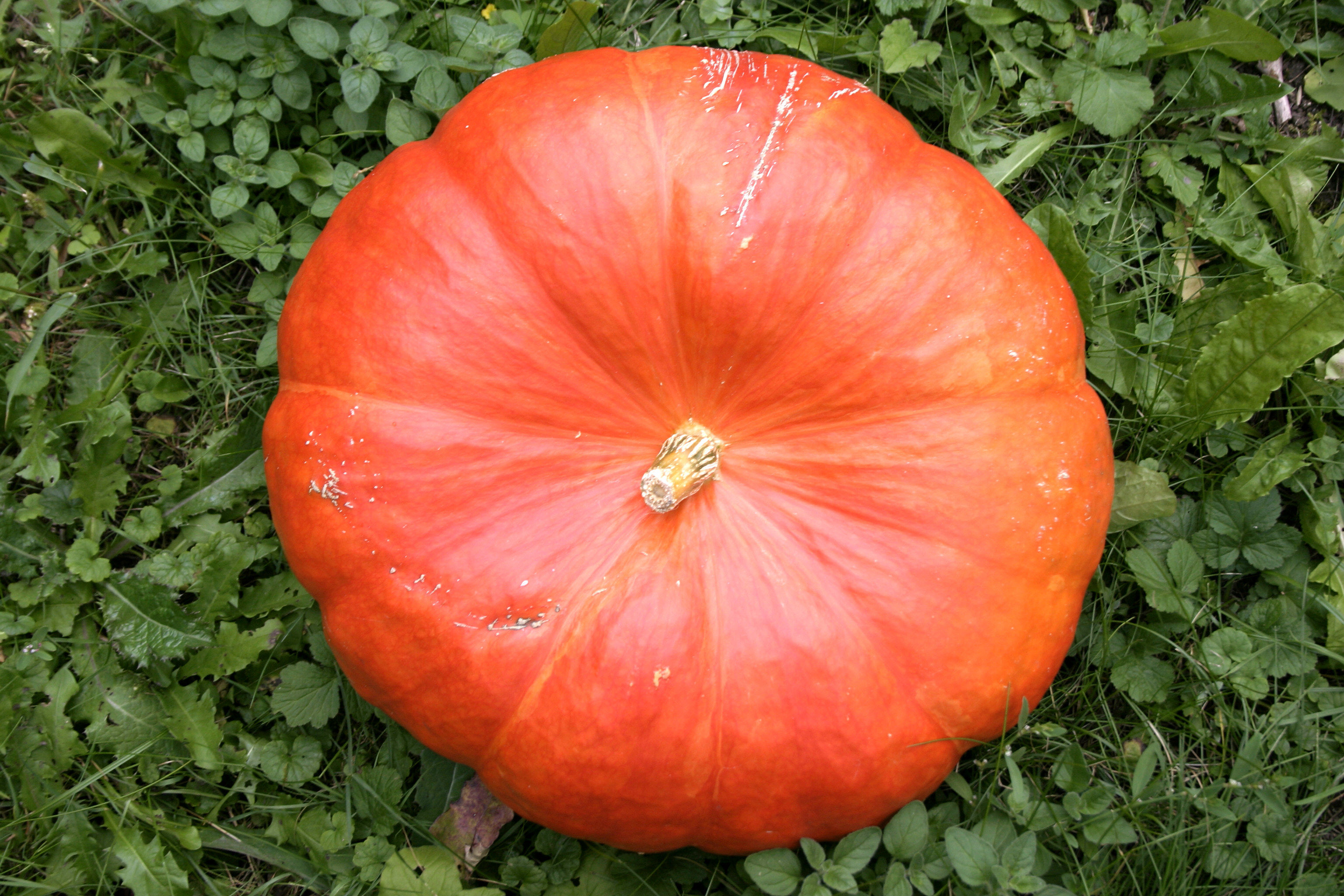
    Cucurbita and Bidens: Antioxidants and Blood Sugar Control

    Researchers evaluated the antioxidant activity and antihyperglycemic effect of methanolic extracts of Cucurbita moschata and Bidens pilosa, both individually and in combinations. The results showed that the mixtures exhibited significant antioxidant activity, suggesting a potential synergistic effect between the two plants. Additionally, the extracts demonstrated a reduction in blood glucose levels in experimental models, indicating a promising effect for blood sugar control. Acute toxicity was assessed, and the extracts were found to be safe at the tested doses. These findings may pave the way for the use of these plants in integrative medicine, especially for diabetes management. However, it is important to note that the studies were conducted in in vitro and in vivo models, and further research is needed to confirm these effects in humans.

  • openalex🗞️ Published on Ayurdrops: Jul 20, 2026📅 Source: Jul 17, 2026

    Anger and Premature Gray Hair: What Ayurveda Teaches Us

    Researchers explored the relationship between krodha (anger) and palitya (premature gray hair) in Ayurveda. The article, written by Vaibhav Naik, Anjali Gaikwad, and Krishna Kadam, highlights how emotional stress, especially anger, can contribute to premature aging of hair. Ayurveda considers that anger affects the balance of the doshas, especially Pitta, which is associated with the color and health of hair. Pitta imbalance can lead to deterioration of the dhatus (tissues) that support hair pigmentation. Furthermore, the study suggests that emotion management and self-care practices may be fundamental in preventing or delaying the graying process. Although the research brings valuable insights, it is important to note that the relationship between anger and palitya still needs further investigation to be fully understood.

  • openalex🗞️ Published on Ayurdrops: Jul 20, 2026📅 Source: Jul 18, 2026

    Ayurvedic Perspectives on Dyslipidemia: A Comprehensive Review

    Researchers reviewed dyslipidemia, known in Ayurveda as Medoroga, and its implications for cardiovascular health. The review covered classical and modern concepts, highlighting the importance of Agni (digestion) and the doshas in the formation of lipids in the body. The authors, M. Mamta, G. K. J., and J. Arya, discuss how imbalances in the doshas, especially Kapha, can lead to the accumulation of lipids and consequently to cardiovascular diseases. The review also suggests that Ayurvedic interventions, such as diet, herbal medicine, and lifestyle practices, may be effective in managing dyslipidemia. Although the research brings valuable insights, limitations such as the lack of controlled clinical studies are mentioned, indicating the need for more evidence to validate the proposed practices.

  • Guggul / Indian Bedellium
    openalex🗞️ Published on Ayurdrops: Jul 20, 2026📅 Source: Jul 18, 2026

    Ayurvedic Perspectives on Dyslipidemia: A Comprehensive Review

    Researchers reviewed dyslipidemia, known as Medoroga in Ayurveda, and its implications for cardiovascular health. Dyslipidemia is characterized by abnormal levels of lipids in the blood, which can lead to heart disease. The study explores how Ayurveda addresses this condition, emphasizing the importance of Agni (digestion) and the doshas, especially Kapha, which is related to fat accumulation. The review highlights herbs such as Guggulu (Commiphora mukul) and Triphala, which have shown positive effects in reducing lipid levels. Additionally, lifestyle and dietary practices recommended in Ayurveda to balance the doshas and improve cardiovascular health were discussed. Despite promising evidence, the authors emphasize the need for more clinical studies to validate these approaches.

  • openalex🗞️ Published on Ayurdrops: Jul 20, 2026📅 Source: Jul 18, 2026

    Agnikarma: A Resource for Health and Disease Prevention

    Researchers highlight Agnikarma as a para-surgical technique that can be effective in managing and preventing diseases. This approach, which uses heat to treat specific conditions, is grounded in Ayurvedic principles and has shown promising results in various clinical applications. The study, conducted by Rucha Selkar and colleagues, explores how Agnikarma can be integrated into modern medical practice, offering an alternative or complement to conventional surgical interventions. The authors discuss the mechanisms of action of Agnikarma, which include pain modulation and promotion of healing, while also emphasizing the importance of careful assessment of patient conditions before application. Although the results are encouraging, the study also acknowledges the need for further research to validate the efficacy and safety of this technique on a larger scale.

  • openalex🗞️ Published on Ayurdrops: Jul 20, 2026📅 Source: Jul 18, 2026

    Caesalpinia bonduc: A Review of Its Properties and Uses in Ayurveda

    Researchers reviewed the properties of Caesalpinia bonduc, known as Kakachoo, highlighting its importance in traditional medicine. The plant contains bioactive compounds that demonstrate anti-inflammatory, antioxidant, and antimicrobial activities. The authors, Shlesha Chokshi and colleagues, emphasize that Caesalpinia bonduc could be a valuable source for developing new medications, especially in the context of inflammatory and infectious diseases. The review also addresses ethnopharmacology, revealing how different cultures use the plant to treat various health conditions. Although the results are promising, the authors warn of the need for more clinical studies to validate these properties and better understand the mechanisms of action involved.

  • openalex🗞️ Published on Ayurdrops: Jul 20, 2026

    Raktapradara and Uterine Bleeding: A Comprehensive Review

    Researchers reviewed the condition known as Raktapradara, which refers to abnormal uterine bleeding, with a special focus on dysfunctional uterine bleeding (DUB). The study, conducted by Dr. Aakriti Thapliyal and Dr. Digamber P. Shevale, explores the causes, symptoms, and therapeutic approaches for this condition. DUB can be influenced by factors such as hormonal imbalances and stress, which affect the menstrual cycle and overall women's health. The review also discusses the importance of a holistic approach, integrating Ayurvedic and modern practices for symptom management. The authors highlight that Ayurveda offers several treatment options, including the use of specific herbs and dietary adjustments, which can help restore balance and health to the female reproductive system. This analysis is relevant for healthcare professionals seeking to better understand the interactions between traditional practices and contemporary scientific evidence.

  • openalex🗞️ Published on Ayurdrops: Jul 20, 2026

    Raktapradara and Uterine Bleeding: A Comprehensive Review

    Researchers reviewed the condition known as Raktapradara, which refers to abnormal uterine bleeding, with a special focus on dysfunctional uterine bleeding (DUB). The review, conducted by Dr. Aakriti Thapliyal and Dr. Digamber P. Shevale, explores the causes, symptoms, and therapeutic approaches for this condition, which affects many women. The research highlights the importance of understanding the factors contributing to DUB, including hormonal imbalances and underlying conditions. Furthermore, the review suggests that Ayurveda may offer valuable strategies for managing this condition, emphasizing the need for a holistic approach that considers both physical and emotional aspects of women's health. The authors also discuss the relevance of Ayurvedic practices, such as the use of herbs and dietary adjustments, which may help restore balance and promote uterine health.

  • Goiabeira
    openalex🗞️ Published on Ayurdrops: Jul 19, 2026📅 Source: Jul 16, 2026

    Guava and type 2 diabetes: how Psidium guajava can help

    Researchers have demonstrated that Psidium guajava (guava) possesses antihyperglycemic and antiapoptotic properties, which may be beneficial for complications of type 2 diabetes. In the study, conducted with male albino rats induced by streptozotocin, administration of guava extract resulted in a significant reduction in blood glucose levels and in cellular apoptosis, a process that contributes to the degeneration of pancreatic beta cells. The authors, Sowmya BH and Usha Anandhi D, highlight that guava may act in modulating oxidative stress and protecting cells, suggesting a therapeutic potential for the management of type 2 diabetes. Although the results are promising, it is important to consider that the study was conducted in an animal model, which limits the generalization of the findings to humans. Further research is needed to fully understand the mechanisms involved and the clinical applicability of guava in diabetes management.

  • Triphalā / Três Frutos
    openalex🗞️ Published on Ayurdrops: Jul 19, 2026📅 Source: Jul 16, 2026

    The Role of Ayurveda in the Treatment of Acute Poisoning: A Review

    Researchers reviewed the application of Ayurveda in the treatment of acute poisoning, highlighting the importance of integrative approaches. Ayurveda offers a unique perspective, utilizing specific herbs and therapies for detoxification and recovery. The review emphasizes the use of substances such as guggulu (Commiphora mukul) and triphala, which are known for their cleansing properties and support to the digestive system. Additionally, the principles of Agni (digestion) and the importance of restoring the balance of the doshas to promote recovery were discussed. The research also points out the need for more clinical studies to validate these practices, considering that much of the data is based on traditional reports rather than rigorous controlled trials.

  • Triphalā / Três Frutos
    openalex🗞️ Published on Ayurdrops: Jul 19, 2026📅 Source: Jul 16, 2026

    Healing of Varicose Ulcer with Ayurvedic Interventions: A Case Study

    Researchers presented a clinical case of successful healing of a varicose ulcer using Ayurvedic interventions. The patient, a 55-year-old man, presented with an ulcer on the right leg, with a history of varicose veins and unsuccessful conventional treatment. The Ayurvedic approach included the use of herbs such as Triphala and Turmeric (Curcuma longa), as well as cleansing practices and local care. After 12 weeks of treatment, the ulcer showed a significant reduction in size and improvement in skin quality. The authors highlight the importance of personalizing treatment, considering the predominant dosha and the patient's overall condition. This study suggests that Ayurvedic interventions can be effective in healing varicose ulcers, offering a viable alternative when conventional methods fail.