Public feed

Ayurvedic editorial curation

Science articles classified by dosha, srota and dhatu. Filter to find what matters to you today.

  • Ghee
    rss:maharishi🗞️ Published on Ayurdrops: Jul 24, 2026📅 Source: Jul 13, 2026

    Ghee or Butter: Which Is the Best Choice for Your Health?

    Researchers highlight that ghee and butter, despite both deriving from milk fat, have distinct characteristics that influence their use in cooking and their effects on health. Ghee, which is clarified butter, has a higher smoke point, making it more suitable for cooking at high temperatures, such as frying and sautéing. Additionally, it is more tolerable for people sensitive to lactose, as it contains less lactose and casein. On the other hand, butter is preferred for baking, providing creaminess and flavor to cakes and sauces. The choice between ghee and butter should consider factors such as digestion, cooking style, and individual health needs. Ayurveda values ghee as a food that supports health and the balance of the doshas, especially Vata and Pitta, when consumed according to Agni, or digestive fire. Both are caloric and rich in saturated fat, so portion control is essential.
  • Aspargo-branco / Safed Musali
    rss:maharishi🗞️ Published on Ayurdrops: Jul 24, 2026📅 Source: Jul 23, 2026

    Safed Musli and Ashwagandha: How to Choose the Ideal Ayurvedic Herb for You?

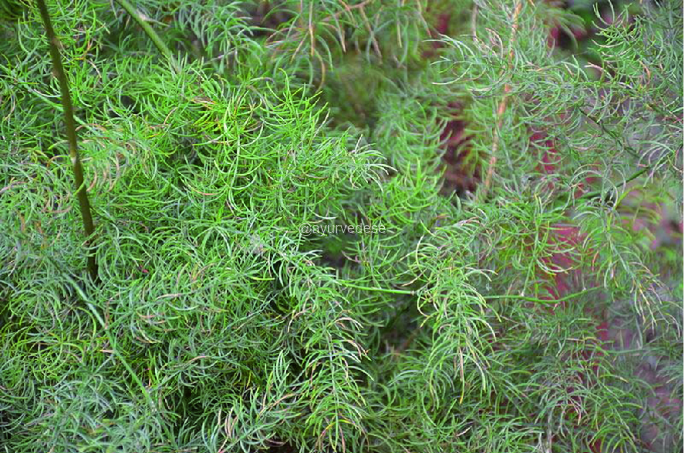
    When it comes to Ayurvedic herbs, Safed Musli and Ashwagandha stand out for their unique properties. Safed Musli (Chlorophytum borivilianum) is traditionally valued for increasing strength, endurance, and reproductive vitality. On the other hand, Ashwagandha (Withania somnifera) is widely recognized for its ability to help with stress resilience, promote restorative sleep, and enhance overall vitality. Both are classified as Rasayana, meaning rejuvenating herbs, but they have different focuses: while Safed Musli is more oriented toward physical vitality, Ashwagandha excels in supporting the nervous system and reducing stress. The choice between them should consider your personal needs, such as recovery from fatigue or seeking greater stress resilience. It is also important to consider the form of consumption, which can vary between powder, capsules, or tablets, and the dosha that each supports, with Safed Musli being more indicated for Vata and Ashwagandha balancing Vata and Kapha.

  • Gengibre
    rss:maharishi🗞️ Published on Ayurdrops: Jul 24, 2026📅 Source: Jul 23, 2026

    Detox Tea: An Ayurvedic Guide to Herbal Detoxification

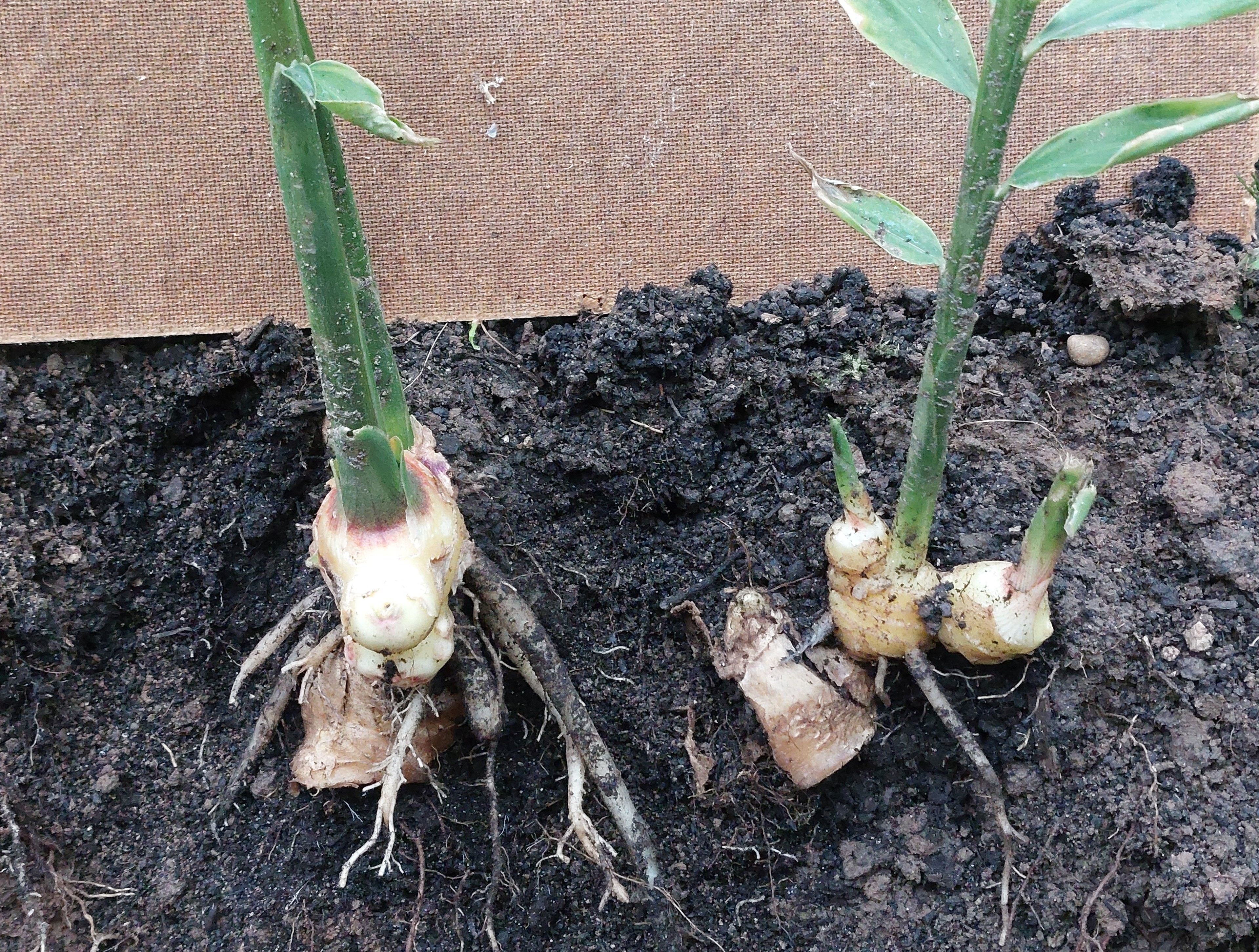
    Researchers highlight that detox tea, although recently popularized, is an ancient practice in Ayurveda, where herbs such as ginger, tulsi, and cumin are used to support Agni, or digestive fire. The body already has natural detoxification mechanisms through the liver, kidneys, lungs, and digestive system, and detox tea serves to enhance this process, without replacing it. The Ayurvedic approach emphasizes the importance of strengthening Agni to prevent the accumulation of Ama, a toxin resulting from inadequate digestion. Herbs like ginger, tulsi, and spices such as cinnamon and cardamom are often used to improve digestion and metabolism. It is important to note that detox tea is not a magic solution for weight loss, but rather a complement to healthy habits, such as a balanced diet and yoga practice. The regular practice of Dinacharya, or daily routine, is essential to maximize the benefits of detox tea.

  • openalex🗞️ Published on Ayurdrops: Jul 24, 2026📅 Source: Jul 21, 2026

    Connections between neurotransmitters and Ayurvedic principles: what science reveals about mind and behavior

    Researchers explored the relationship between neurotransmitters and neurological modulators with classical Ayurvedic principles that govern cognition, emotion, and behavior. The study, conducted by A Arun Karthick R and Binu Alappat A, highlights how neurotransmitters such as serotonin, dopamine, and norepinephrine correlate with Ayurvedic concepts of Sattva, Rajas, and Tamas, which represent mental and emotional states. For example, serotonin, often associated with well-being, aligns with Sattva, while dopamine, linked to motivation, can be seen in Rajas. The article also discusses how the balance of these neurotransmitters can influence mental and emotional health, reflecting the importance of Agni (digestion) and the doshas in maintaining well-being. Although the study offers valuable insights, it is important to consider that the research is conceptual and lacks direct empirical data connecting these biological mechanisms to practical interventions in Ayurveda.

  • openalex🗞️ Published on Ayurdrops: Jul 24, 2026📅 Source: Jul 21, 2026

    Ayurvedic Approach to Atherogenic Dyslipidemia: An Interventional Case Study

    Researchers observed that Ayurvedic interventions may have a positive impact on atherogenic dyslipidemia, a condition characterized by elevated lipid levels that increase cardiovascular risk. The study, conducted by Shravani U Mahajan and colleagues, involved an interventional case series where specific Ayurvedic practices were applied. The results showed a significant reduction in lipid levels, suggesting that integrative approaches may be effective in managing this disorder. Atherogenic dyslipidemia is associated with imbalances in Agni (digestion) and can be addressed through dietary changes, herbal medicine, and lifestyle practices. This study highlights the importance of considering traditional medicine as a viable option for managing modern health conditions.

  • Erva-tostão / Punarnava
    openalex🗞️ Published on Ayurdrops: Jul 24, 2026📅 Source: Jul 21, 2026

    Role of Punarnava Extract in Transdermal Patches: A New Anti-Inflammatory Approach

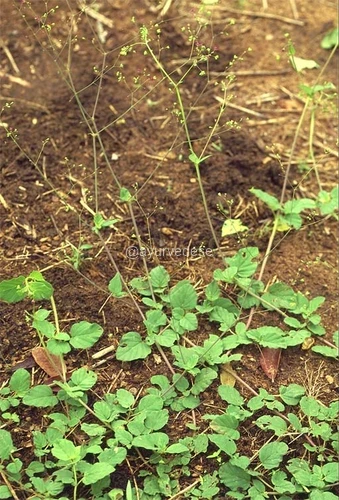
    Researchers developed a transdermal patch based on Punarnava (Boerhavia diffusa) and evaluated its anti-inflammatory efficacy. The study, conducted by Mukesh Balate and collaborators, focused on formulating a patch that releases the plant extract in a controlled manner, aiming to treat inflammatory conditions. The results showed that the patch exhibited significant anti-inflammatory activity in experimental models, suggesting that topical application may be a viable alternative for managing inflammation. The research highlights the importance of innovative methods in delivering herbal medicines, especially in a context where integrative medicine seeks effective and less invasive solutions. However, the study has limitations, such as the need for broader clinical trials to validate the safety and efficacy of the patch in humans.

  • Andrographis / Kalmegh
    openalex🗞️ Published on Ayurdrops: Jul 24, 2026📅 Source: Jul 22, 2026

    Kalmegh: A Review of Its Properties and Therapeutic Applications

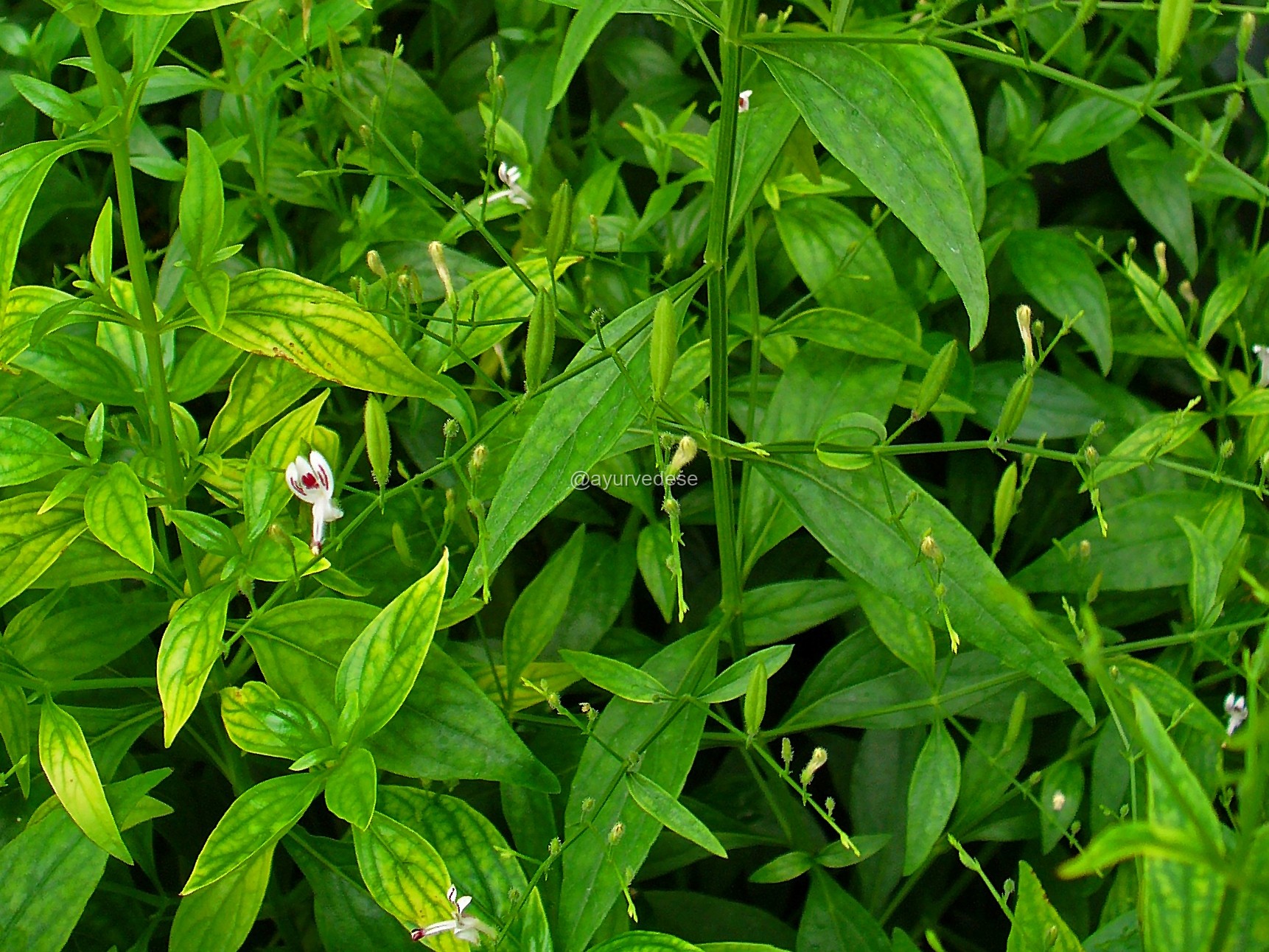
    Researchers reviewed the phytochemical and pharmacological properties of Andrographis paniculata, known as Kalmegh, highlighting its therapeutic applications. This plant has been used in traditional medicine for its anti-inflammatory, antimicrobial, and immunomodulatory properties. Bioactive compounds, such as andrographolide, have demonstrated efficacy in preclinical and clinical studies, showing potential in treating respiratory infections, fevers, and gastrointestinal disorders. Additionally, the review addresses safety and potential drug interactions, emphasizing the importance of conscious use. Although results are promising, most studies are limited in size and scope, warranting further research to validate its clinical applications.

  • openalex🗞️ Published on Ayurdrops: Jul 24, 2026📅 Source: Jul 22, 2026

    Rasayana and Swedana in the treatment of rheumatoid arthritis: a case report

    Researchers observed significant improvements in inflammatory parameters in a patient with Amavata (rheumatoid arthritis) after the application of Ayurvedic Rasayana and Swedana therapies. The case, documented by Mallika Jandara, highlights how these traditional approaches can positively influence inflammation, a central aspect of rheumatoid arthritis. The treatment included the administration of Rasayana, which aims at rejuvenation and strengthening of the body, and Swedana, which involves therapeutic sweating to promote the elimination of toxins. The results showed a reduction in inflammatory markers, suggesting that the combination of these therapies may be a viable strategy for managing Amavata. However, it is important to note that this is a case report, which limits the generalizability of the findings. Additional studies are needed to validate these results in larger and adequately controlled populations.

  • Triphalā / Três Frutos
    openalex🗞️ Published on Ayurdrops: Jul 24, 2026📅 Source: Jul 22, 2026

    Healthier Eyes in Menopause: Comparing Shatavari and Triphala Eye Drops

    Researchers conducted a randomized clinical trial to evaluate the efficacy of Shatavari Ghrita eye drops compared to Triphala Ghrita eye drops, both combined with Shatavari Ksheerapaka, in postmenopausal women with ocular surface diseases. The study involved a group of 60 participants, who were treated with the eye drops over a specific period. Results showed that Shatavari Ghrita drops demonstrated significant improvement in symptoms and ocular health compared to Triphala drops. The mechanism may be related to the nutritive and hydrating properties of Shatavari (Asparagus racemosus), which is known for its qualities supporting female health and ocular lubrication. Although the results are promising, the study has limitations, such as the small sample size and the lack of a blinded control group, which may influence the generalizability of the findings.

  • Andrographis / Kalmegh
    openalex🗞️ Published on Ayurdrops: Jul 24, 2026📅 Source: Jul 22, 2026

    Kalmegh: A Review of Its Properties and Therapeutic Applications

    Researchers analyzed the pharmacological properties of Andrographis paniculata, known as Kalmegh, revealing a wide range of beneficial activities. This plant has been studied for its anti-inflammatory, antimicrobial, and antioxidant properties, as well as its potential in treating respiratory diseases and gastrointestinal disorders. Bioactive compounds present in Kalmegh, such as andrographolide, have demonstrated positive effects on modulating the immune system and reducing fever. The review also highlights the importance of Kalmegh in traditional medicine, where it is used to strengthen overall health and combat infections. Despite the promise, caution is necessary, as many studies were conducted in vitro or in animal models, and more clinical research is essential to validate these findings in humans.

  • Guduchi
    pubmed🗞️ Published on Ayurdrops: Jul 24, 2026📅 Source: Jul 23, 2026

    Efficacy and safety of Phyllanthus emblica and Tinospora cordifolia in the treatment of post-adolescent acne

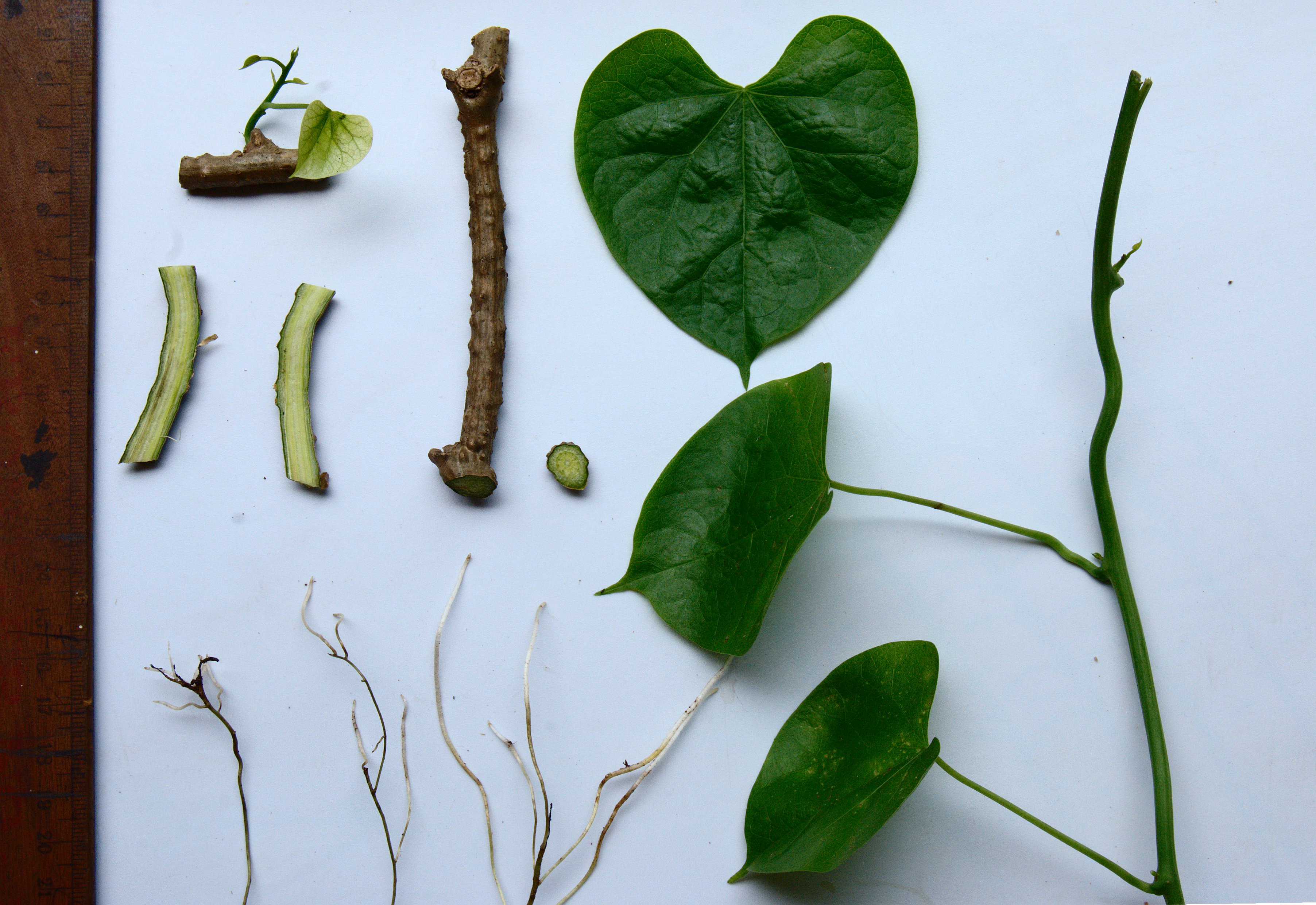
    Researchers evaluated the efficacy and safety of Phyllanthus emblica and Tinospora cordifolia in a randomized, double-blind, placebo-controlled clinical trial, focusing on individuals with post-adolescent acne. The study included 60 participants, divided into two groups: one received the herbal combination and the other a placebo. After 12 weeks, results showed a significant reduction in acne severity in the treated group, with a 40% decrease in acne lesions compared to the control group. Additionally, the authors observed that the herbal combination was well tolerated, with few reported side effects. These findings suggest that Phyllanthus emblica and Tinospora cordifolia may be viable options for treating acne, aligning with Ayurvedic concepts of blood purification and promotion of skin health.

  • Brahmi / Bacopa
    rss:maharishi🗞️ Published on Ayurdrops: Jul 23, 2026📅 Source: Jul 22, 2026

    Como dormir melhor à noite de forma natural

    Pesquisadores apontam que a qualidade do sono, ou Nidra, é um dos três pilares da saúde no Ayurveda. A falta de sono reparador pode ser causada por estresse, rotinas irregulares e uso excessivo de telas. Para melhorar o sono, recomenda-se limitar a exposição à luz azul antes de dormir, evitar cafeína após as 15h e criar um ambiente tranquilo para o descanso. Além disso, ervas como Ashwagandha e Brahmi são tradicionalmente utilizadas para apoiar o sono. Essas práticas não apenas ajudam a combater a insônia, mas também promovem um estado mental equilibrado e saudável, essencial para o bem-estar geral.

  • Açafrão / Saffron
    rss:maharishi🗞️ Published on Ayurdrops: Jul 23, 2026📅 Source: Jul 22, 2026

    Kumkumadi: 9 Benefits of the Oil for Facial Skin

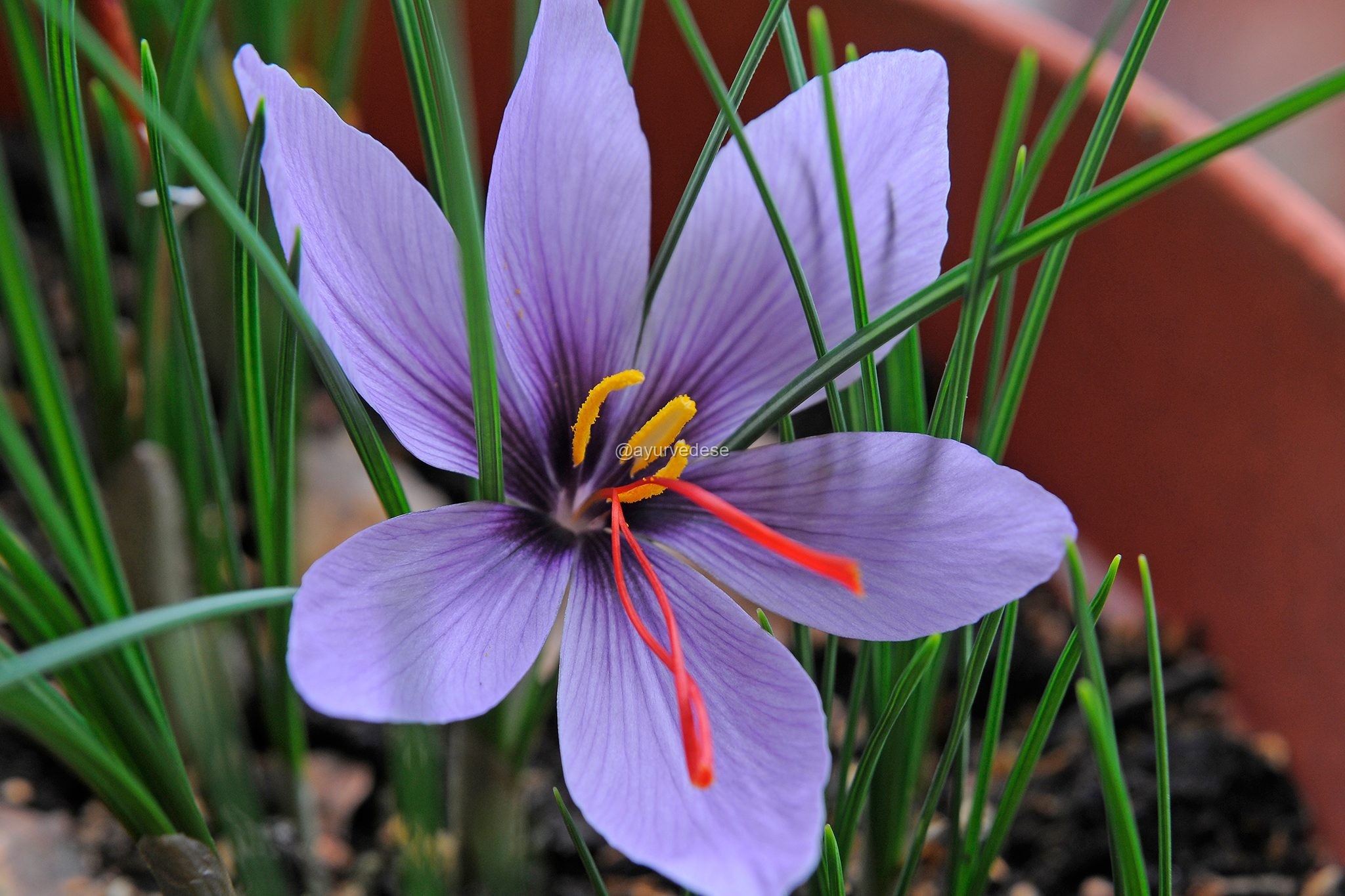
    Researchers highlight that Kumkumadi Tailam, a classic Ayurvedic facial oil, is prepared with saffron (Kumkuma), sandalwood, Manjistha, and sesame oil. This oil is traditionally used to promote skin luminosity, hydration, and an even tone, as well as to support healthy skin aging. The balance of Bhrajak Pitta, which regulates skin metabolism, is essential for maintaining cutaneous health. Kumkumadi Tailam works by detoxifying the blood, nourishing the skin, and restoring skin resilience. Ingredients such as saffron are rich in antioxidants and have been shown to inhibit melanin synthesis, as evidenced in clinical studies. Applying the oil at night, after cleansing, is recommended for best results, with 3 to 5 drops gently massaged into the face. Although the oil is suitable for most skin types, it is advisable to perform a sensitivity test before use.

  • Brahmi / Bacopa
    rss:maharishi🗞️ Published on Ayurdrops: Jul 23, 2026📅 Source: Jul 22, 2026

    Saraswatarishta: A Guide to Benefits and Ingredients

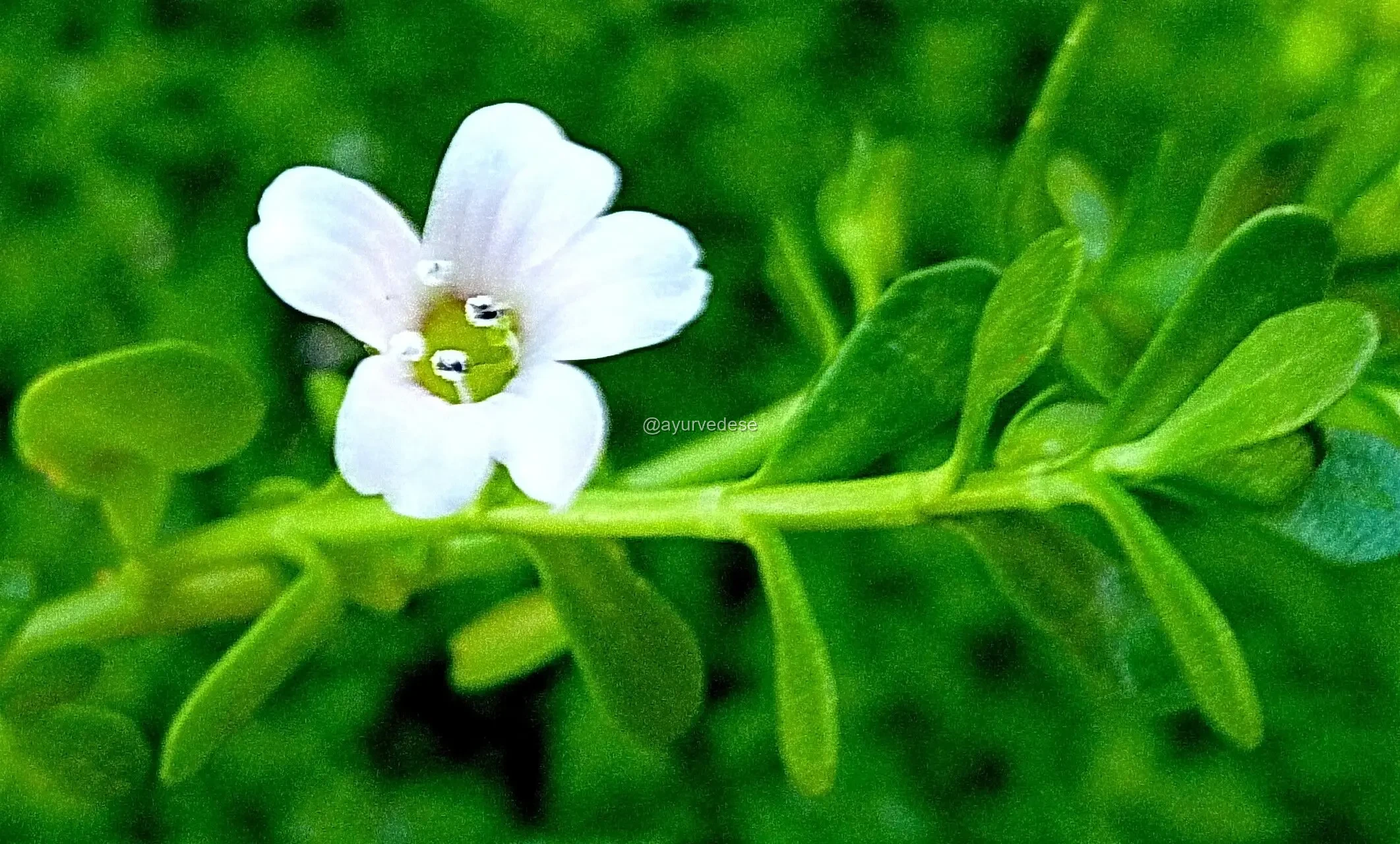
    Researchers highlight that Saraswatarishta, a classical fermented Ayurvedic formulation, is classified as Medhya Rasayana, aimed at brain and emotional health. Composed mainly of Brahmi (Bacopa monnieri), this arishta is traditionally used to improve memory, concentration, and emotional balance. Natural fermentation not only preserves the mixture but also enhances its properties. The use of Saraswatarishta is indicated for adults and should be administered after meals, balancing the Vata and Pitta doshas. Contemporary studies suggest that the combination of herbs may have positive effects on nervous system health, although more research is needed to validate these findings. It is important that children use the product under professional guidance, considering the complexity of child development and the individuality of treatments.

  • Amalaki / Amla
    rss:maharishi🗞️ Published on Ayurdrops: Jul 23, 2026📅 Source: Jul 22, 2026

    Amla: The Ayurvedic Superfruit for Everyday Health

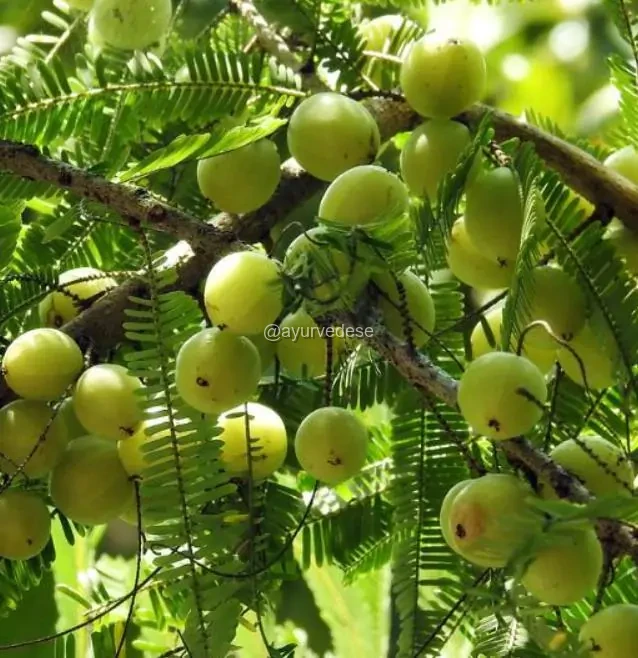
    Researchers highlight that Amla (Amalaki), known as Indian gooseberry, is one of the most valued herbs in Ayurveda, especially for its properties as a Rasayana, which promote rejuvenation and longevity. This fruit, rich in vitamin C (600-700 mg per 100 g, almost 20 times more than orange), polyphenols, and antioxidants, is traditionally used to support digestion, immunity, and overall vitality. Amla is considered a balancer of the three doshas — Vata, Pitta, and Kapha — due to its sour taste and drying properties. Moreover, it can be consumed in various forms, such as raw, powdered, or as juice, making it easy to include in daily routine. Current research reinforces the importance of Amla in health, aligning with traditional knowledge that recognizes it as an essential food for well-being.

  • Cardamomo
    openalex🗞️ Published on Ayurdrops: Jul 23, 2026📅 Source: Jul 20, 2026

    Cardamom: A Potential Ally in Health

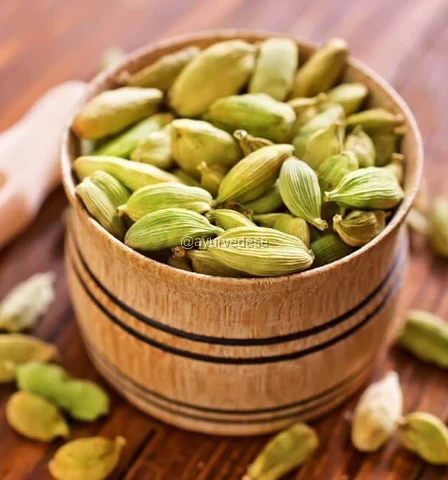
    Researchers highlight cardamom (Elettaria cardamomum) as a plant with promising therapeutic properties. The study reviews existing literature on the beneficial effects of cardamom in various health conditions, including its antioxidant, anti-inflammatory, and antimicrobial properties. The authors, Halimova and Karomatov, emphasize that cardamom can aid digestion, improve cardiovascular health, and even have positive effects on mental health. Additionally, cardamom is known for its ability to balance the doshas, especially Kapha, and may be useful in cases of Agni mandya, where digestion is compromised. Despite the promising evidence, the authors warn that more clinical studies are needed to confirm these effects and better understand the mechanisms involved.

  • Bakuchi / Psoralea
    openalex🗞️ Published on Ayurdrops: Jul 23, 2026📅 Source: Jul 20, 2026

    Psoralea: Prevention and Treatment of Bone and Joint Diseases

    Researchers highlight the potential of Psoralea (Psoralea corylifolia) in the prevention and treatment of bone and joint diseases. The article reviews existing literature, showing that bioactive compounds present in the plant, such as flavonoids and isoflavonoids, may act in modulating inflammation and promoting bone health. The authors, Davlatzoda Saifiddin Khayriddin, Bobokalonzoda Jamolidin Murodali, and Karomatov Inomdzhon Juraevich, point out that Psoralea may positively influence bone mineral density and reduce joint pain, being an interesting alternative for managing conditions such as arthritis and osteoporosis. However, the study emphasizes the need for further clinical investigations to confirm these effects and understand the mechanisms involved, since most evidence is based on pre-clinical and in vitro studies.

  • openalex🗞️ Published on Ayurdrops: Jul 23, 2026📅 Source: Jul 21, 2026

    Pepsin Modulation by Truptighna Dashemani Medications: What an In Vitro Study Reveals

    Researchers investigated the pepsin-modulating activity of Truptighna Dashemani medications, correlating it with total phenols. The study, conducted by Divya Khare and colleagues, highlights the importance of phenols in enzymatic activity. The results showed that the presence of total phenols positively influences pepsin modulation, an enzyme crucial for protein digestion. This finding suggests that Ayurvedic formulations containing these medications may play a significant role in improving digestion and gastrointestinal health. The research was conducted in vitro, which limits the generalization of results to direct clinical applications, but paves the way for future investigations into the efficacy of these herbs in clinical contexts.

  • openalex🗞️ Published on Ayurdrops: Jul 23, 2026📅 Source: Jul 21, 2026

    Clinical Efficacy of Stanya Janana Mahakashaya in Postnatal Care: A Comprehensive Review and Case Study

    Researchers analyzed the efficacy of Stanya Janana Mahakashaya, an Ayurvedic formula, in postnatal care, known as Sutika Paricharya. The study reviewed clinical cases and evidence demonstrating how this herbal combination can support maternal recovery after childbirth. The formula consists of ingredients aimed at strengthening the body, promoting lactation, and balancing the doshas, especially Pitta, which may be elevated after childbirth. The study highlights the importance of holistic and personalized care, taking into account the specific needs of the postpartum woman. Although the results are promising, the research also points out limitations, such as the reduced number of cases analyzed and the need for more controlled studies to validate the findings.

  • openalex🗞️ Published on Ayurdrops: Jul 23, 2026📅 Source: Jul 21, 2026

    Treatment of indralupta (alopecia areata) with bloodletting and supportive therapy: a case report

    Researchers reported a case of indralupta, or alopecia areata, treated with Pracchanna Karma, a bloodletting technique, followed by Shamana Chikitsa, which refers to supportive therapies in Ayurveda. The patient, a 30-year-old man, presented with areas of hair loss and underwent three sessions of bloodletting, resulting in significant improvement in the hair condition. After the procedure, supportive therapies were applied, including herbal remedies and dietary adjustments, which contributed to recovery. This case suggests that the combination of Pracchanna Karma and Shamana Chikitsa may be an effective approach for managing indralupta, although more studies are needed to validate these findings in a larger population.