Public feed

Ayurvedic editorial curation

Science articles classified by dosha, srota and dhatu. Filter to find what matters to you today.

  • Banana
    openalex🗞️ Published on Ayurdrops: Jul 29, 2026📅 Source: Jul 24, 2026

    Bioactive peptides from banana flowers: a new perspective for the management of endometriosis

    Researchers have identified bioactive peptides in the flowers of Musa acuminata that may have nutraceutical relevance in the management of endometriosis. Endometriosis is an inflammatory condition that affects many women and is associated with pain and infertility. Peptides extracted from banana flowers have demonstrated anti-inflammatory and antioxidant properties, suggesting a potential to alleviate the symptoms of the disease. Although the results are promising, it is important to note that the study is still in its early stages and requires further investigation to confirm the efficacy and safety of these compounds in humans. The connection between traditional medicine and modern discoveries is evident, as the use of medicinal plants to treat conditions like endometriosis is an ancient practice.
  • Guggul / Indian Bedellium
    openalex🗞️ Published on Ayurdrops: Jul 29, 2026📅 Source: Jul 27, 2026

    Herbal Wisdom in Childhood Obesity: A Review of the Role of Ayurvedic Medicines and Therapies

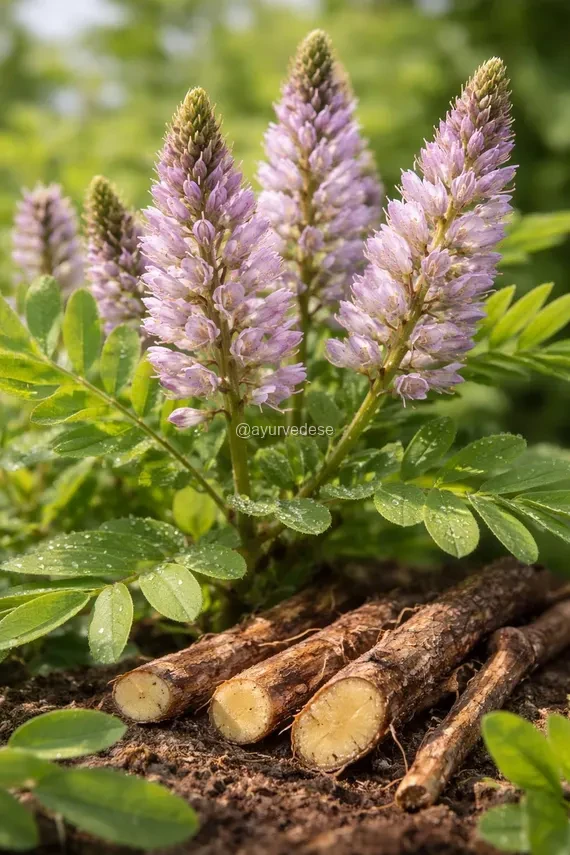
    Researchers reviewed the literature on the use of Ayurvedic medicines and therapies in the treatment of childhood obesity, identifying 12 relevant studies. The findings suggest that herbs such as Aśvagandha (Withania somnifera) and Guggulu (Commiphora mukul) may help in weight reduction and improvement of metabolism. Childhood obesity is a growing problem, and Ayurveda offers a holistic approach that considers factors such as diet, lifestyle, and balance of the doshas. The review highlights the importance of personalized interventions, taking into account the individual constitution of the child. However, most of the analyzed studies have limitations, such as small sample sizes and lack of control groups, which suggests the need for more rigorous research to validate these findings.

  • openalex🗞️ Published on Ayurdrops: Jul 29, 2026📅 Source: Jul 27, 2026

    Shiva Gutika as a Rasayana for Heart Health: An Ayurvedic Review

    Researchers reviewed the therapeutic potential of Shiva Gutika, an Ayurvedic formulation, as a Rasayana for Hridroga, which refers to heart diseases, including coronary artery disease. The review highlights the bioactive components of Shiva Gutika that may contribute to cardiovascular health, such as reducing oxidative stress and improving endothelial function. The authors suggest that the combination of herbs in the formulation may modulate the cardiovascular system, promoting heart health. Although the data are promising, the review also points to the need for more clinical studies to validate these effects and understand the underlying mechanisms. The relationship between Ayurvedic principles and modern findings is evident, especially regarding the concept of Rasayana, which emphasizes rejuvenation and protection of the body.

  • openalex🗞️ Published on Ayurdrops: Jul 29, 2026📅 Source: Jul 27, 2026

    Polygala in traditional medicine: ethnomedicinal uses and modern pharmacological validation

    Researchers have explored Polygala species, revealing their significant role in traditional medicine and their ethnomedicinal applications. The study highlights how these plants have been used across various cultures to treat conditions such as inflammations, respiratory problems, and digestive disorders. Furthermore, modern pharmacological validation confirms many of these uses, with evidence pointing to anti-inflammatory and antioxidant properties. The research, which includes contributions from authors such as J. Philip Robinson and Vijayan Smrithy, emphasizes the importance of integrating traditional knowledge with modern science, promoting a holistic approach to health. Scientific validation of ethnomedicinal practices may open new possibilities for the use of Polygala in contemporary medicine, although further studies are needed to fully understand its mechanisms of action and clinical efficacy.

  • openalex🗞️ Published on Ayurdrops: Jul 29, 2026📅 Source: Jul 27, 2026

    The Relationship Between the Gut and Bones: Exploring Ayurvedic Concepts in a Case Study

    Researchers investigated the connection between gut health and bone health, using the Ayurvedic concepts of Purishdhara Kala (intestinal layer) and Asthidhara Kala (bone layer). The case-control study involved analyzing patients with different bone conditions and their respective intestinal functions. The results showed that gut health can directly influence bone density, suggesting that intestinal imbalances may be associated with bone problems. The research highlights the importance of considering the interrelationship between systems in the body, a fundamental principle in Ayurveda, where health is seen as a state of balance among different dhatus (tissues). Although the data are promising, limitations such as sample size and the need for more longitudinal studies are mentioned.

  • openalex🗞️ Published on Ayurdrops: Jul 29, 2026📅 Source: Jul 27, 2026

    The Relationship Between Joint Pain and Body Constitution: An Observational Study

    Researchers evaluated the connection between joint pain (janu sandhi parinaha) and body constitution (deha prakruti) in an observational study. Joint pain is a common complaint that can be influenced by constitutional factors. The study involved the analysis of different types of prakruti and their relationship with the intensity and frequency of joint pain. Results indicated that individuals with vata prakruti showed a greater predisposition to joint pain, suggesting that body constitution may play a significant role in the manifestation of joint symptoms. This relationship is important for clinical practice, as it can guide therapists in personalizing treatments and interventions. However, limitations such as sample size and lack of control over external variables were noted, which may impact the generalizability of the results.

  • Alho
    openalex🗞️ Published on Ayurdrops: Jul 29, 2026📅 Source: Jul 27, 2026

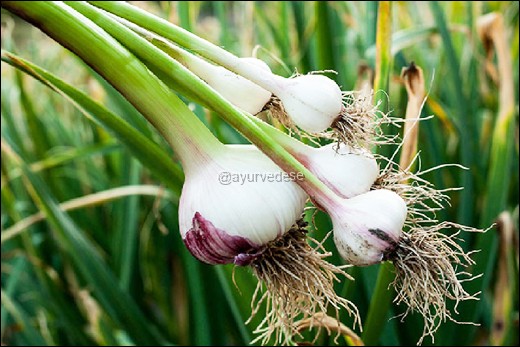
    Garlic and rheumatoid arthritis: how science investigates this relationship

    Researchers explored the potential of garlic (Allium sativum) in treating rheumatoid arthritis, using network pharmacology and docking mechanisms. Rheumatoid arthritis is a chronic inflammatory condition that affects the joints, and garlic is known for its anti-inflammatory and antioxidant properties. The study suggests that compounds present in garlic may interact with relevant molecular targets, potentially modulating the inflammatory response. Although the results are promising, it is important to consider that the research is still in early stages and more studies are needed to validate these findings in clinical contexts. The relationship between garlic and rheumatoid arthritis may open new possibilities for integrative treatments, aligning with Ayurveda principles that value the use of herbs to promote joint health.

  • openalex🗞️ Published on Ayurdrops: Jul 29, 2026📅 Source: Jul 27, 2026

    Ayurveda and Yoga in the Care of Geriatric Diseases: Evidence and Practices

    The relationship between Ayurveda, Yoga, and the care of geriatric diseases is increasingly relevant as the population ages. This article reviews integrative approaches that can improve the quality of life of the elderly, addressing conditions such as arthritis, diabetes, and cardiovascular diseases. The practice of Yoga, with its postures and breathing techniques, can aid in mobility and stress reduction, while Ayurveda offers a holistic perspective, focusing on individualized treatment and promoting balance of the doshas. The review highlights that interventions based on Ayurveda and Yoga not only help manage symptoms but also promote healthy aging. However, it is important to consider the limitations of the reviewed studies, which often have small samples and variability in research methods. The integration of these practices can be a valuable strategy for therapists and caregivers working with the elderly population.

  • openalex🗞️ Published on Ayurdrops: Jul 29, 2026📅 Source: Jul 27, 2026

    Managing Sira Jaal in Ayurveda: A Case Study on Scleritis

    Researchers presented a case study exploring the Ayurvedic approach to Sira Jaal, focusing on scleritis. Scleritis is an inflammation of the sclera, the white part of the eye, which can cause severe pain and vision impairment. In the analyzed case, a patient was treated with a combination of Ayurvedic herbs and therapies, resulting in a significant reduction of symptoms and improvement in quality of life. The treatment included the use of specific herbal remedies that act to reduce inflammation and strengthen ocular tissues. The authors, Snehal Deshkar and Jayantkumar V. Wagh, highlight the importance of personalizing treatment according to the individual characteristics of the patient, considering the predominant dosha and overall health status. Although the results are promising, the study is limited by being a single case, which hinders the generalization of findings. However, it suggests that Ayurveda can offer valuable alternatives for managing scleritis.

  • openalex🗞️ Published on Ayurdrops: Jul 29, 2026📅 Source: Jul 27, 2026

    Efficacy of Licorice Gel as an Adjunct to Non-Surgical Periodontal Therapy in Chronic Periodontitis

    Researchers have demonstrated that licorice gel (Glycyrrhiza glabra) can be an effective adjunct to non-surgical periodontal therapy for patients with chronic periodontitis. The study, conducted by Dr. Vaishnavi Shah and colleagues, involved a randomized clinical trial that analyzed both clinical and microbiological aspects. The results showed a significant reduction in periodontal pocket depth and oral pathogen counts after the use of licorice gel compared to standard treatment. Licorice is known for its anti-inflammatory and antimicrobial properties, which may contribute to periodontal health by reducing inflammation and bacterial load. Although the findings are promising, it is important to note that the study had a limited number of participants, and further research is needed to confirm these results in a larger population.

  • Mamona / Rícino
    openalex🗞️ Published on Ayurdrops: Jul 29, 2026📅 Source: Jul 27, 2026

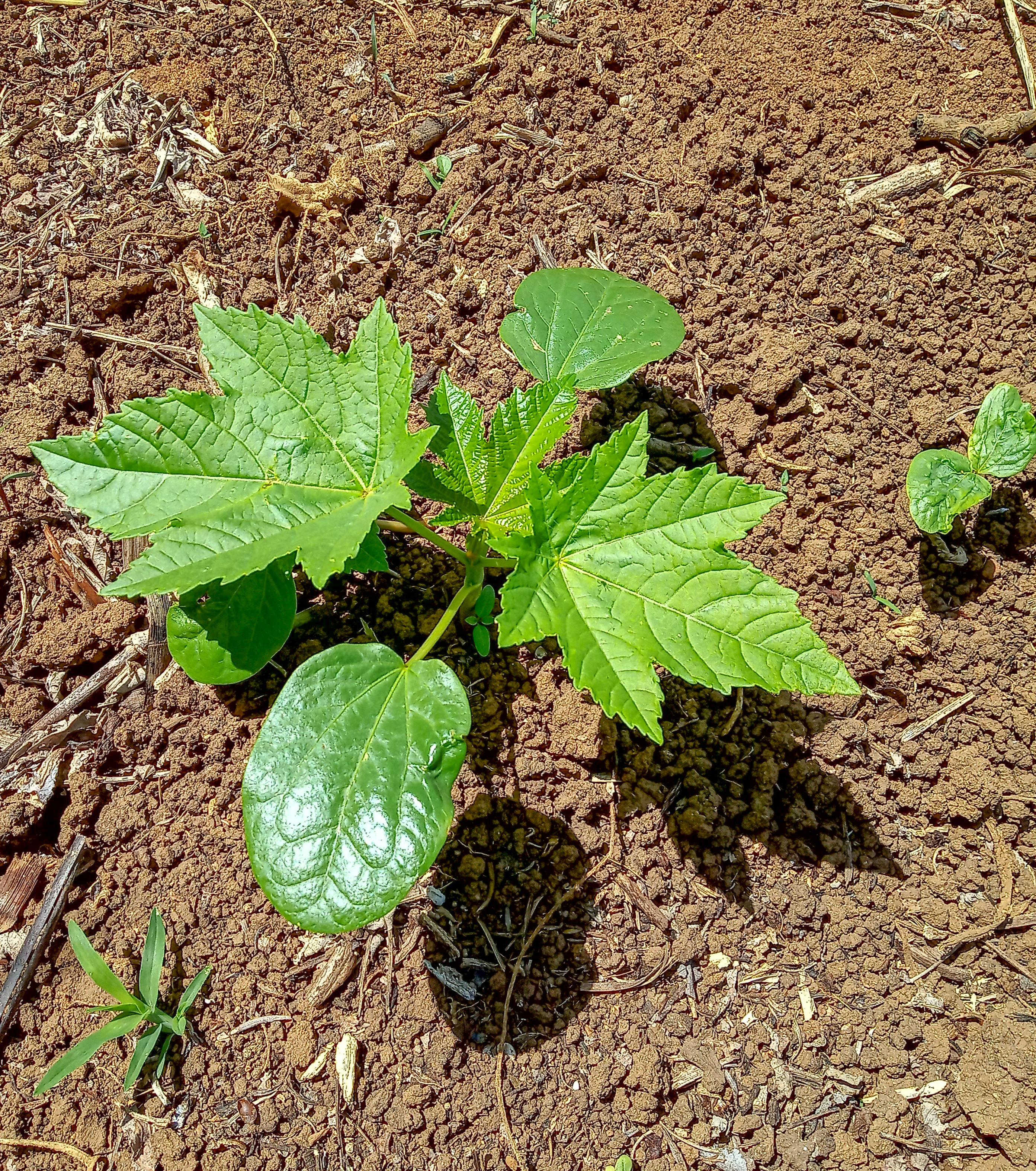
    Eranda and male fertility: how science investigates its molecular action

    Researchers are exploring the molecular activity of Eranda (Ricinus communis L) in the context of male infertility. The plant, known for its medicinal properties in Ayurveda, is being analyzed through a network construction that maps its molecular interactions. Preliminary results suggest that bioactive compounds present in Eranda may positively influence male reproductive health, although the exact mechanisms still require further investigation. The research highlights the importance of integrating traditional knowledge with modern scientific approaches, aiming for a deeper understanding of how Eranda can be used in clinical practice to treat infertility. Study limitations include the need for validation in clinical models and the analysis of a larger number of samples to confirm the initial findings.

  • pubmed🗞️ Published on Ayurdrops: Jul 29, 2026📅 Source: Jan 01, 2026

    Chronic Psoriasis and Ayurveda: A 2-Year Case Report Focusing on the Kidneys

    Researchers reported a case of chronic psoriasis in a patient who presented renal inflammatory indicators, treated over two years with a systemic Ayurvedic approach. The treatment included the use of herbs, diet, and lifestyle practices, aiming to balance the doshas and improve kidney health. The authors, Mallika S, Menon A, Unnikrishnan V, and Mohan P, observed a significant reduction in the severity of psoriatic lesions and renal inflammatory markers, suggesting that the Ayurvedic approach may be effective in complex chronic conditions. This study highlights the importance of considering the interconnection between the skin and kidney function, a concept that resonates with the holistic view of Ayurveda.

  • Óleo de Coco
    rss:maharishi🗞️ Published on Ayurdrops: Jul 28, 2026📅 Source: Jul 27, 2026

    Coconut Oil on the Face: How Can It Help Your Skin?

    Coconut oil is often used in skin care, especially for dry and rough skin. Researchers highlight that it can help soften dry skin by promoting moisture retention and nourishing the skin barrier. However, for oily or acne-prone skin, the use of coconut oil may not be ideal, as it can clog pores. In Ayurveda, coconut oil is considered cooling and nourishing, being more suitable for Pitta skin types, especially in hot climates. It is recommended to apply a small amount after cleansing, preferably at night, and to avoid areas with active acne. A sensitivity test is advised to prevent adverse reactions, such as itching or redness.

  • openalex🗞️ Published on Ayurdrops: Jul 28, 2026📅 Source: Jul 24, 2026

    Who seeks auriculotherapy? A look at the profile of patients at a university laboratory

    Researchers analyzed the profile of people treated at a university laboratory of Integrative and Complementary Health Practices, focusing on auriculotherapy. The study, to be published in July 2026, provides data on patient demographics, including age, gender, and health conditions. Auriculotherapy, a technique that uses specific points on the ear to promote balance and well-being, has been gaining space in integrative health. The results indicate that most patients seek relief for conditions such as anxiety and chronic pain, reflecting a growing trend in the demand for complementary therapies. This research contributes to a better understanding of who benefits from these practices and how they can be integrated into health care.

  • Alcaçuz / Regaliz
    openalex🗞️ Published on Ayurdrops: Jul 28, 2026📅 Source: Jul 25, 2026

    Glycyrrhizin and Anxiety: What Research on Licorice Root Reveals

    Researchers evaluated the anxiolytic efficacy of the decoction of Glycyrrhiza glabra root, known as licorice, and found promising results. The study, led by Bassam S.M. Al Kazman and colleagues, identified relevant phytochemical compounds in the root that may act on the central nervous system. The decoction demonstrated a reduction in anxiety-related behaviors in experimental models, suggesting significant therapeutic potential. The mechanisms involved include modulation of neurotransmitters, which are crucial for emotional balance. Although the results are encouraging, it is important to consider the study's limitations, such as the use of animal models and the need for further clinical investigations to confirm these findings in humans.

  • Neem / Nim Indiano
    openalex🗞️ Published on Ayurdrops: Jul 28, 2026📅 Source: Jul 26, 2026

    Ayurveda and Antimicrobial Resistance: A Promising Solution

    Antimicrobial resistance (AMR) is a growing challenge in modern medicine, leading to infections that are difficult to treat. Researchers, such as Rakesh Mishra, highlight that Ayurvedic medicine can offer valuable alternatives. Ayurveda uses a variety of herbs and practices that can potentially combat resistant pathogens. For example, compounds from plants like Neem (Azadirachta indica) and Turmeric (Curcuma longa) have shown significant antimicrobial properties. Additionally, Ayurveda's holistic approach, which considers the balance of the doshas and the health of Agni (digestion), can strengthen the immune system and improve the body's response to infections. Although the data are promising, it is important to note that research on the efficacy of these interventions is still developing, and more studies are needed to validate these findings.

  • Tejapatra / Folha de Louro-Indiano
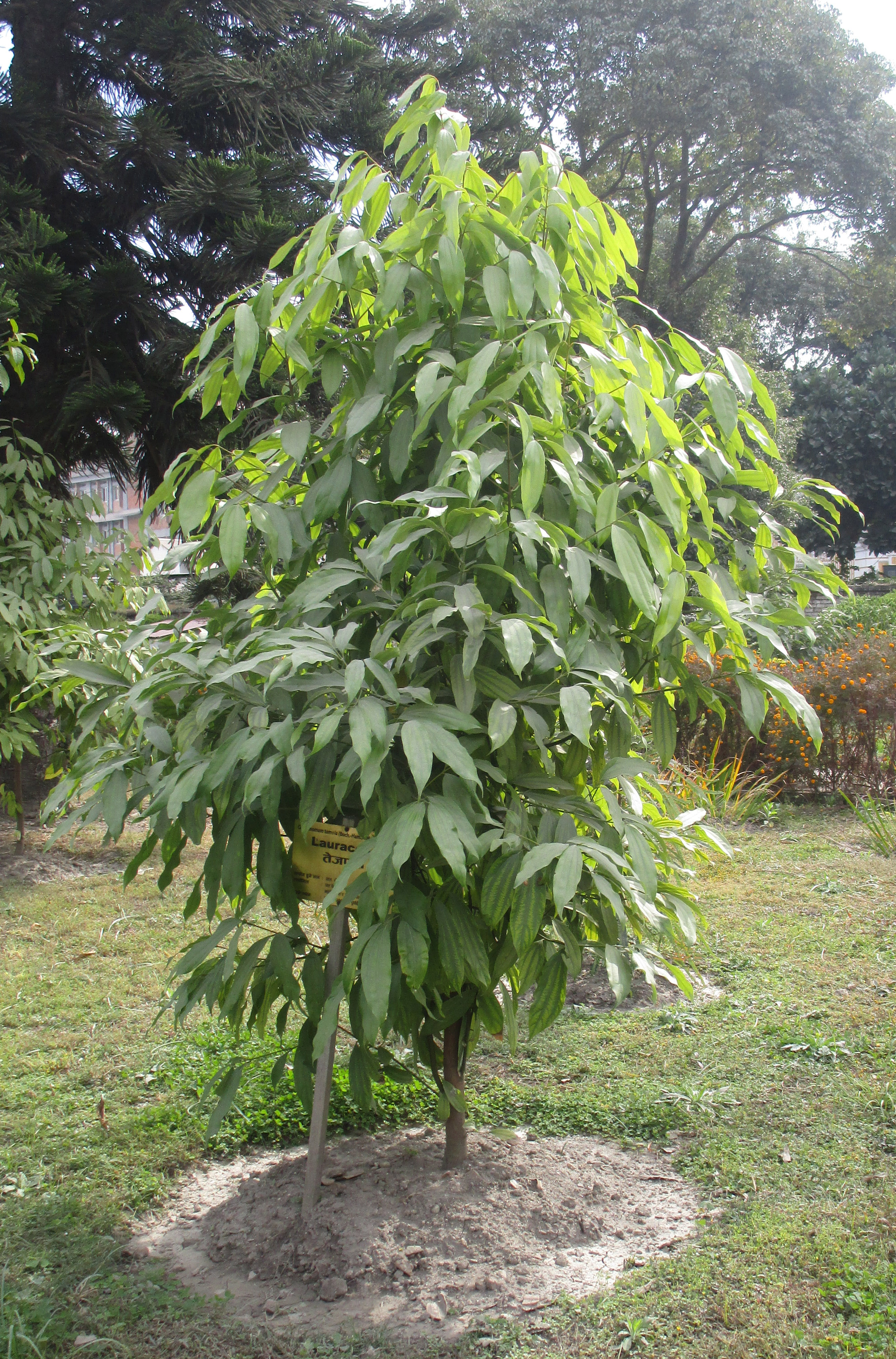
    jaim🗞️ Published on Ayurdrops: Jul 27, 2026📅 Source: Jul 01, 2026

    Nadamay: a sound protocol for psychosocial well-being

    Researchers developed and validated Nadamay meditation, a sound-based protocol aimed at promoting psychosocial well-being. The study, conducted by Megha Pundir, Arjun Ram Roj, and Sanjib Patra, highlights the importance of sound meditation in reducing stress and improving mental health. Nadamay meditation combines elements of sound and vibration, creating an environment conducive to introspection and relaxation. The results indicate that regular practice can lead to a significant decrease in anxiety and depression levels, as well as improve participants' quality of life. This protocol can be a valuable tool for therapists and individuals seeking integrative methods for self-care and mental health.

  • openalex🗞️ Published on Ayurdrops: Jul 27, 2026📅 Source: Jul 23, 2026

    Acalypha indica and the prevention of kidney stones: a comprehensive scientific review

    Researchers reviewed the antiurolithiatic activity of Acalypha indica leaves, highlighting their effects in experimental models. The review covers studies that demonstrated the plant's ability to reduce kidney stone formation, possibly due to its diuretic action and adjustment of the acid-base balance in the body. The authors, Akriti Kushwaha and Radhika Patel, point out that bioactive compounds present in the leaves may act by inhibiting the crystallization of mineral salts, one of the main mechanisms involved in kidney stone formation. Although the results are promising, the review also emphasizes the need for more clinical studies to validate these findings and better understand the mechanisms involved. Acalypha indica is a plant traditionally used in folk medicine, and its effects may be particularly relevant for those seeking natural alternatives for kidney health.

  • openalex🗞️ Published on Ayurdrops: Jul 27, 2026📅 Source: Jul 25, 2026

    Efficacy of Ajmodadi Churna and Kati Basti with Kottamchukadi Taila in the Treatment of Sciatica: A Comparative Clinical Study

    Researchers evaluated the efficacy of Ajmodadi Churna and Kati Basti with Kottamchukadi Taila in the treatment of Gridhrasi, known as sciatica. The study, conducted by Lovnish Lovnish and V N L Chaitanya M, included patients diagnosed with sciatica and compared the effects of the two treatments. The results showed that both methods provided significant pain relief and improved mobility, but Kati Basti with Kottamchukadi Taila showed superior results in reducing pain intensity and improving function. The study highlights the importance of Ayurvedic approaches in managing musculoskeletal conditions, suggesting that combining therapies may be more effective than using herbal remedies alone. Limitations include the sample size and the need for further studies to confirm these findings.

  • openalex🗞️ Published on Ayurdrops: Jul 26, 2026📅 Source: Jul 22, 2026

    Personalized Gut Health in Ayurveda: Efficacy in Functional Constipation and Irritable Bowel Syndrome with Constipation

    Researchers evaluated the efficacy of a personalized Ayurvedic regimen from Mool Health for the treatment of functional constipation (FC) and irritable bowel syndrome with constipation (IBS-C). The study included patients who presented persistent symptoms of constipation. The results showed that the Ayurvedic regimen not only improved bowel frequency but also reduced abdominal pain and the sensation of bloating. The integrated approach, which combines herbs, diet, and lifestyle practices, proved to be safe and well tolerated by participants. The authors, Khemraj Mourya and colleagues, highlight the importance of individualized treatment, which considers the particularities of each patient, aligning with the principles of Ayurveda. Although the results are promising, the study had limitations, such as the small sample size and the absence of a control group, suggesting the need for further research to confirm these findings.