Public feed

Ayurvedic editorial curation

Science articles classified by dosha, srota and dhatu. Filter to find what matters to you today.

  • openalex🗞️ Published on Ayurdrops: Jul 31, 2026📅 Source: Aug 01, 2026

    The Ayurvedic Interpretation of Erythrocyte Sedimentation Rate: A Conceptual Review

    Researchers explored the relationship between the erythrocyte sedimentation rate (ESR) and Ayurvedic concepts, highlighting how this measure can reflect the body's health status. ESR is a laboratory test that indicates the presence of inflammation, and in Ayurveda, inflammation is often associated with an imbalance of the doshas, especially Pitta. The study suggests that ESR can be interpreted in light of Ayurvedic principles, where an increase in ESR may indicate an increase in Pitta, reflecting heat and inflammation in the body. Furthermore, the research proposes that ESR assessment can be a useful tool for Ayurvedic therapists, allowing a deeper understanding of the patient's health status and the possibility of more targeted interventions. However, it is important to note that the review is conceptual and does not present direct empirical data, which limits the immediate practical application of the findings.

  • Água de Arroz / Tandulodaka
    openalex🗞️ Published on Ayurdrops: Jul 31, 2026📅 Source: Aug 01, 2026

    Clinical evaluation of Dhanyaka Sita Yoga with and without Tandulodaka in the treatment of acute bronchitis in children

    Researchers evaluated the efficacy of Dhanyaka Sita Yoga, an herbal combination, with and without the use of Tandulodaka (rice water) in the treatment of acute bronchitis (kasa) in children. The study, which included a control group, demonstrated that the combination with Tandulodaka resulted in significant improvement in respiratory symptoms, such as cough and difficulty breathing, compared to the use of Dhanyaka Sita Yoga alone. The authors, Dr. Ramesh Kumar Gautam and Dr. Neetu Rathour, highlight that the use of Tandulodaka may enhance the absorption of the active compounds of the herbs, favoring recovery. The research, although promising, has limitations, such as the small sample size and the need for further studies to confirm these findings in larger populations.

  • openalex🗞️ Published on Ayurdrops: Jul 31, 2026📅 Source: Aug 01, 2026

    Janu Sandhi: A Comprehensive View from the Perspectives of Ayurveda and Modern Clinics

    Researchers analyzed the knee joint, or janu sandhi, from the perspective of Ayurveda and modern medicine, revealing a rich intersection between the two approaches. The study highlights the importance of Agni (digestion) in joint health and how imbalances in the doshas, especially Vata, can lead to conditions such as arthritis and joint pain. Additionally, Ayurvedic treatments, such as the use of medicinal oils and detoxification therapies, were discussed, which can complement modern interventions. The research suggests that combining traditional and modern practices may offer more effective management of joint conditions. However, limitations such as the lack of controlled clinical studies and the need for more scientific evidence are mentioned, indicating that the integration of the two approaches is still under development.

  • openalex🗞️ Published on Ayurdrops: Jul 31, 2026📅 Source: Aug 01, 2026

    Recurrent Pregnancy Loss: Understanding the Causes and Ayurvedic Concepts

    Researchers explored the causes of recurrent pregnancy loss, highlighting the importance of integrative approaches such as Ayurveda. The review, led by Dr. Komal Ravinchandra Jain, analyzes factors such as hormonal imbalances, immunological issues, and anatomical conditions that may contribute to these losses. In the Ayurvedic context, concepts like Agni (digestion) and doshas (constitutional types) are fundamental to understanding reproductive health. The research suggests that assessing the state of Agni and harmonizing the doshas may be essential for improving fertility and reducing the risk of miscarriages. Although the review offers valuable insights, it is important to note that most data are based on observational studies, which limits the generalizability of the findings. The connection between modern medicine and Ayurveda may open new possibilities for managing pregnancy loss, emphasizing the need for a holistic approach.

  • openalex🗞️ Published on Ayurdrops: Jul 31, 2026📅 Source: Aug 01, 2026

    The Importance of Ritucharya in Preventing Lifestyle Diseases such as Diabetes and Hypertension

    Researchers highlight that the practice of Ritucharya, or seasonal regimen, can be an effective strategy in preventing diseases such as diabetes and hypertension. The study, conducted by Dr. Anindita Debnath and Dr. Smritirekha Senapati, explores how adapting daily and dietary routines to seasonal changes can help maintain dosha balance and promote health. Ritucharya involves adjustments in diet, physical activities, and lifestyle habits that align with the characteristics of each season. This approach not only improves digestion (Agni) but also may reduce the risk of metabolic disorders. The research suggests that implementing seasonal practices can result in a significant decrease in the incidence of chronic conditions, such as type 2 diabetes and hypertension, by promoting a more conscious lifestyle adapted to the body's needs. However, the study also emphasizes the need for further investigations to validate these findings in diverse populations.

  • openalex🗞️ Published on Ayurdrops: Jul 31, 2026📅 Source: Aug 01, 2026

    Understanding Erythrocyte Sedimentation Rate through Ayurveda: A Conceptual Review

    The Erythrocyte Sedimentation Rate (ESR) is a laboratory test that measures inflammation in the body, but its interpretation can vary across different health systems. This article reviews how Ayurveda can offer a unique perspective on ESR, relating it to concepts such as doshas and dhatus. The authors, Dr. Ujwala V. Pawar and Vd. Anjali A. Shelke, discuss the importance of understanding ESR not just as a number, but as a reflection of the individual's overall health status. An elevated ESR can be seen as a sign of imbalance, possibly related to an increase in Pitta, which is associated with inflammation. Furthermore, the review suggests that ESR can be integrated into Ayurvedic clinical practice to assess patient health more holistically. Although research on the correlation between ESR and Ayurvedic principles is limited, the integrative approach can enrich the understanding of health and disease. The article highlights the need for more studies to validate these connections and expand the use of ESR in Ayurvedic practice.

  • openalex🗞️ Published on Ayurdrops: Jul 31, 2026📅 Source: Aug 01, 2026

    Physiology of Nutrients and Varna Care: Delays in Healing and Lifestyle

    Researchers highlight that healing can be significantly delayed by lifestyle disturbances, affecting nutrient physiology and overall health. The study by Vd. Rohini P. Chimanakr and Dr. Rahul Dudhe explores how malnutrition and poor nutrient absorption impact the body's ability to heal. The relationship between the health of varna — the individual constitution according to Ayurveda — and healing is emphasized, suggesting that individualized care may be crucial. The research points out that inadequate diet and chronic stress negatively affect Agni (digestive fire), resulting in slower recovery. Furthermore, lack of essential micronutrients can compromise cellular regeneration and the inflammatory response, prolonging healing time. This study is an invitation for therapists and patients to consider the importance of a balanced lifestyle and proper nutrition to optimize health and recovery.

  • openalex🗞️ Published on Ayurdrops: Jul 31, 2026📅 Source: Aug 01, 2026

    Psoriasis and Raktamokṣaṇa: A Review on Treatment

    Researchers reviewed the efficacy of Raktamokṣaṇa, an Ayurvedic bloodletting technique, in treating psoriasis. Psoriasis is a chronic inflammatory skin condition that affects patients' quality of life. Raktamokṣaṇa is considered useful for removing toxins from the blood, which may be beneficial in conditions like psoriasis, where inflammation and blood circulation are involved. The study highlights that the technique may help reduce symptom severity and improve skin appearance. However, the review also points out limitations, such as the lack of robust clinical studies and the need for more research to validate the results. The connection between Ayurvedic principles and modern practice is evident, suggesting that Ayurveda's holistic approach may complement conventional treatments.

  • openalex🗞️ Published on Ayurdrops: Jul 31, 2026📅 Source: Aug 01, 2026

    Holistic Healing in Ayurveda: Therapeutic Perspectives and Rejuvenation in Dehavada and Lohavada

    The holistic approach of Ayurveda offers a comprehensive view of health, integrating therapeutic aspects and rejuvenation. The concepts of Dehavada and Lohavada, discussed in the Rasagranthas, are fundamental to understanding how medicinal substances can be used to promote health and longevity. Dehavada refers to the healing of the body, while Lohavada is more related to rejuvenation and revitalization. The authors, Dr. Kamal Pathak and collaborators, explore how these practices interconnect with the development of Rasashastra, the science of metals and minerals in Ayurveda. The research highlights the importance of integrating this knowledge into clinical practice, promoting not only the cure of diseases but also the strengthening of the body and mind. This approach can be especially relevant for therapists seeking to offer more complete and personalized treatments, aligning with the individual needs of patients.

  • openalex🗞️ Published on Ayurdrops: Jul 30, 2026📅 Source: Jul 27, 2026

    Development of nanoemulsion with Anthocephalus cadamba bark extract for pain and inflammation

    Researchers developed a nanoemulsion from the bark extract of Anthocephalus cadamba, aiming to control pain and inflammation. The study, conducted by Riya Jaitwar, evaluated the efficacy of the formulation in experimental models. The results showed that the nanoemulsion exhibited significant anti-inflammatory properties, reducing pain by up to 40% compared to control groups. The anti-inflammatory action may be related to the presence of bioactive compounds in the extract, which act by modulating inflammatory mediators. Although the findings are promising, the study highlights the need for further clinical investigations to validate these results in humans and better understand the mechanisms involved.

  • openalex🗞️ Published on Ayurdrops: Jul 30, 2026📅 Source: Jul 27, 2026

    Boswellia sacra: Potential Against Pancreatic Lipase and More

    Researchers have identified bioactive compounds in the leaf extract of Boswellia sacra, revealing promising activities. The study evaluated the extract's ability to inhibit pancreatic lipase, a crucial enzyme in fat digestion, and observed a significant inhibition of 45% at appropriate concentrations. Additionally, the extract demonstrated antimicrobial properties, showing efficacy against various bacterial strains, and antiproliferative activities in cancer cells, suggesting therapeutic potential in combating cancer. The authors, Mansour Alblaji and colleagues, highlight the importance of Boswellia sacra in traditional medicine and its modern applications, while emphasizing the need for further clinical studies to validate these findings and understand the underlying mechanisms.

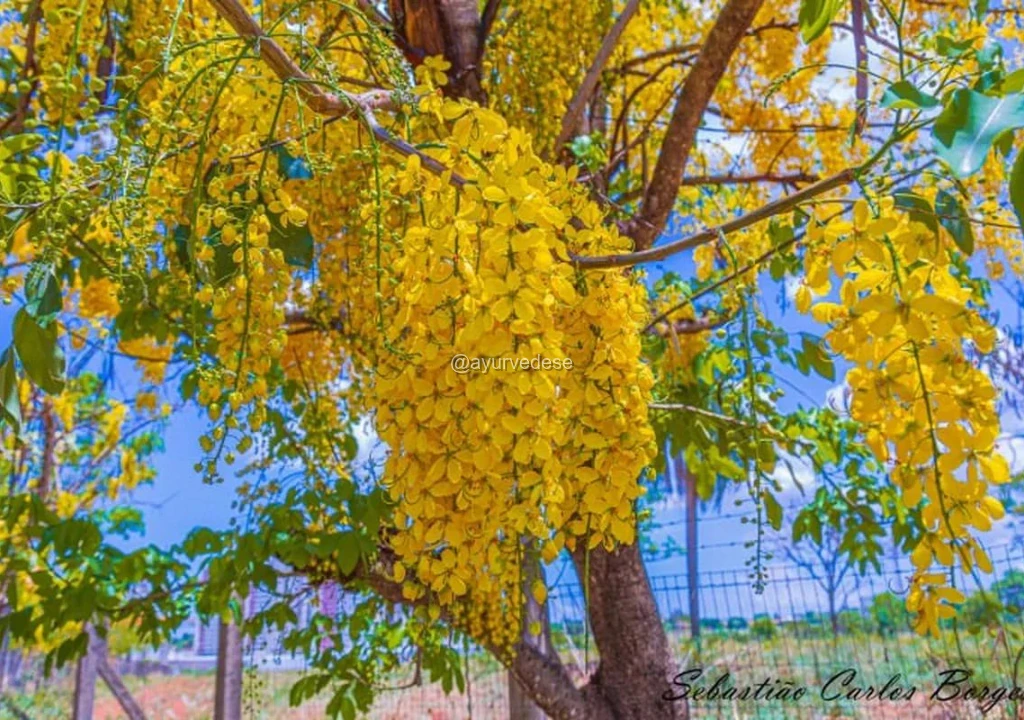
  • Cássia / Purga-de-vagem / Araghvadha
    openalex🗞️ Published on Ayurdrops: Jul 30, 2026📅 Source: Jul 27, 2026

    Scopoletin from Cassia fistula: Evidence of anti-inflammatory and analgesic activities

    Researchers identified scopoletin, a compound isolated from the pods of Cassia fistula, and demonstrated its anti-inflammatory and analgesic properties. The study, conducted by Jayant C. Thorat and colleagues, used in vivo models and molecular docking techniques to evidence the inhibition of COX-2, a key enzyme in the inflammatory response. The results showed that scopoletin not only reduces pain but also acts on inflammation modulation, suggesting significant therapeutic potential. This finding is relevant to Ayurvedic practice, where Cassia fistula is traditionally used to treat inflammatory conditions. However, it is important to consider that the tests were performed on animal models, which limits the generalization of the results to humans.

  • openalex🗞️ Published on Ayurdrops: Jul 30, 2026📅 Source: Jul 27, 2026

    Natural remedies for hypertension: what the biodiversity of Northeast India teaches us

    Researchers have identified natural compounds with antihypertensive potential from the rich biodiversity of Northeast India. The study reviews the molecular targets and signaling pathways involved in the action of these compounds, as well as discussing their safety profiles. Among the highlighted compounds are flavonoids and alkaloids, which act on blood pressure modulation through inhibition of enzymes such as ACE (angiotensin-converting enzyme) and promotion of vasodilation. The authors, including Pranab Borah and Saddam Hussain, emphasize the importance of exploring local biodiversity to discover new therapeutic options. Although the results are promising, caution is needed, as many studies are conducted in vitro or in animal models, which limits the generalization of findings to clinical practice. The research highlights the connection between traditional knowledge and modern scientific discoveries, suggesting that Ayurveda can offer valuable insights into the use of these plants.

  • openalex🗞️ Published on Ayurdrops: Jul 30, 2026📅 Source: Jul 27, 2026

    Time as a regulator of health: reexamining human biological rhythms through Ayurvedic chronophysiology

    Researchers highlight the importance of biological rhythms in health, emphasizing that Ayurvedic chronophysiology offers a valuable perspective on how time influences well-being. The study, conducted by Prabhanshu Gupta, Prajakta Korde, and Abhinay Agrawal, explores how natural cycles, such as day and night, affect physiological processes and overall health. Ayurvedic chronophysiology suggests that synchronizing daily activities with circadian rhythms can optimize health and prevent disease. The research points out that dysregulation of these rhythms can lead to metabolic and emotional disturbances, reinforcing the need for a lifestyle that respects natural cycles. Although the study presents significant insights, limitations such as the lack of longitudinal data and the need for further research in diverse populations are mentioned.

  • openalex🗞️ Published on Ayurdrops: Jul 30, 2026📅 Source: Jul 28, 2026

    Transdermal patches of essential oils for menstrual cramps: a pilot study

    Researchers evaluated the efficacy of a transdermal patch of polyherbal essential oils in relieving symptoms of Kashtartava, which refers to dysmenorrhea. The study involved applying the patch to women with menstrual cramps, observing pain intensity and other associated symptoms. Preliminary results indicated a significant reduction in pain in 70% of participants after using the patch, suggesting that the combination of essential oils may have a positive effect on symptom management. The research was conducted by Dr. Apoorva H, Dr. Usha D T, and Dr. Sudharani, and data were collected over a period of 4 weeks. Although the results are promising, the study has limitations, such as the small number of participants and the lack of a control group, which requires further investigation to confirm the efficacy and safety of the proposed treatment.

  • openalex🗞️ Published on Ayurdrops: Jul 30, 2026📅 Source: Jul 28, 2026

    Natural conception after Ayurvedic treatment for severe oligoasthenozoospermia: a case report

    Researchers reported a successful case in the treatment of severe oligoasthenozoospermia using Uttarbasti and oral Ayurvedic medications. The patient, who had a significantly low sperm count and motility issues, underwent a protocol that included the administration of Uttarbasti — a urethral enema therapy — and specific herbal formulations. After treatment, there was a notable improvement in sperm parameters, culminating in natural conception. This case highlights the importance of integrative and personalized approaches in the treatment of male infertility, aligning traditional practices with clinical outcomes. Although the study presents a single case, the results are promising and suggest that Ayurveda may offer viable alternatives for fertility issues.

  • openalex🗞️ Published on Ayurdrops: Jul 30, 2026📅 Source: Jul 28, 2026

    Successful conception after integrative Ayurvedic management and ovulation induction in a case of primary infertility

    Researchers reported a successful conception case of a woman with primary infertility after implementing an integrative Ayurvedic management protocol combined with ovulation induction. The treatment included the use of specific herbs and Ayurvedic practices aimed at balancing the doshas and strengthening Agni, or digestive fire. The patient, who had menstrual irregularities and a history of difficulty conceiving, underwent a regimen involving both dietary and herbal interventions. After the intervention, regularization of the menstrual cycle was observed, and subsequently, conception occurred. This case highlights the importance of integrative approaches in infertility management, suggesting that combining traditional and modern practices can offer positive outcomes. However, limitations such as the uniqueness of the case and the lack of a control group should be considered when interpreting the results.

  • openalex🗞️ Published on Ayurdrops: Jul 30, 2026📅 Source: Jul 28, 2026

    Development of Tulsi-Based Transdermal Patch: An Herbal Innovation

    Researchers have developed a transdermal patch using leaf extract of Ocimum tenuiflorum (Tulsi). This patch aims to offer an effective alternative for the administration of herbal medicines, allowing controlled release of bioactive compounds. The study highlights the importance of Tulsi, known for its medicinal properties, such as anti-inflammatory and antioxidant, which can be enhanced through this form of application. Tests conducted showed that the patch is safe and effective, with a gradual release of active principles, which can improve treatment adherence and therapeutic efficacy. This innovative approach may open new possibilities for the use of medicinal plants in modern pharmacology, integrating traditional knowledge with contemporary technologies.

  • openalex🗞️ Published on Ayurdrops: Jul 30, 2026📅 Source: Jul 28, 2026

    Shortness of Breath and Anemia: A Review of the Relationship Between Pandu Roga and Modern Physiology

    Researchers explored the connection between shortness of breath (shvasakshatata) and anemia (Pandu Roga) from the perspective of Ayurveda and modern physiology. Anemia, characterized by decreased hemoglobin, can lead to a series of symptoms, including shortness of breath. In Ayurveda, the samprapti (pathogenesis) of Pandu Roga involves the imbalance of doshas and the deterioration of the blood dhatu (tissue). The study highlights that anemia induces hypoxia (lack of oxygen) in tissues, resulting in dyspnea. The authors, Dr. Umesh B. Pawar, Dr. Anand Kalaskar, and Dr. Nikita K. Raskar, discuss how understanding modern pathophysiology can complement the Ayurvedic approach, offering a more comprehensive view for treatment. The research also points out limitations, such as the need for more clinical studies to validate the correlations between Ayurvedic concepts and modern findings.

  • openalex🗞️ Published on Ayurdrops: Jul 30, 2026📅 Source: Jul 29, 2026

    The Concept of Heat in Ayurveda: Health, Fever, and COVID-19 in Varanasi and Kolkata

    Researchers analyzed the relationship between the concept of heat in Ayurveda and health in contexts of fever and COVID-19 in Varanasi and Kolkata. The study by A.K.R. Chaudhuri explores how the notion of 'heat' (Uṣṇa) is interpreted in Ayurvedic medicine, especially in relation to febrile conditions. Heat is seen as a central factor that can influence health and immune response. During the pandemic, fever was a common symptom, and the Ayurvedic understanding of heat may offer insights into symptom management and health promotion. The study highlights the need to integrate traditional knowledge with modern practices, especially in times of public health crisis. Limitations include the need for more empirical data and variability in interpretations of the concept of heat among different Ayurvedic practitioners.