Public feed

Ayurvedic editorial curation

Science articles classified by dosha, srota and dhatu. Filter to find what matters to you today.

  • openalex🗞️ Published on Ayurdrops: Aug 01, 2026📅 Source: Aug 01, 2026

    Successful Pregnancy After Integrative Ayurvedic Management in a Woman with Unilateral Tubal Obstruction and Hyperthyroidism: A Case Report

    Researchers reported the case of a woman who, after integrative Ayurvedic management, was able to conceive despite having unilateral tubal obstruction, hyperthyroidism, and low ovarian reserve. The patient, who had previously experienced an ectopic pregnancy, underwent a protocol that included dietary interventions, herbal medicines, and lifestyle practices. The treatment focused on balancing Agni (digestion) and strengthening the reproductive system, resulting in a healthy pregnancy. This case highlights the importance of a holistic approach in treating complex fertility conditions, combining traditional Ayurvedic knowledge with modern practices. Although the results are promising, it is important to consider that this is a case report, which limits the generalizability of the findings.
  • openalex🗞️ Published on Ayurdrops: Aug 01, 2026📅 Source: Aug 01, 2026

    Agad Yogas in Ayurveda: A Review of Classical Formulations and Their Therapeutic Utility

    Research on Agad Yogas, which are classical Ayurvedic formulations, reveals their importance in clinical practice. Dr. Durga Lal Sharma reviews various combinations of herbs and minerals, highlighting their therapeutic properties. These formulations are traditionally used for detoxification and treatment of various conditions, including digestive disorders and intoxications. The review also discusses the mechanisms of action of these combinations, such as modulation of Agni (digestion) and promotion of dosha balance. Although the research offers a comprehensive overview, it is important to consider that many studies are limited in terms of methodology and number of participants, which may affect the generalizability of the results. This analysis is an invitation for therapists and patients to explore the potential of Agad Yogas in integrative health.

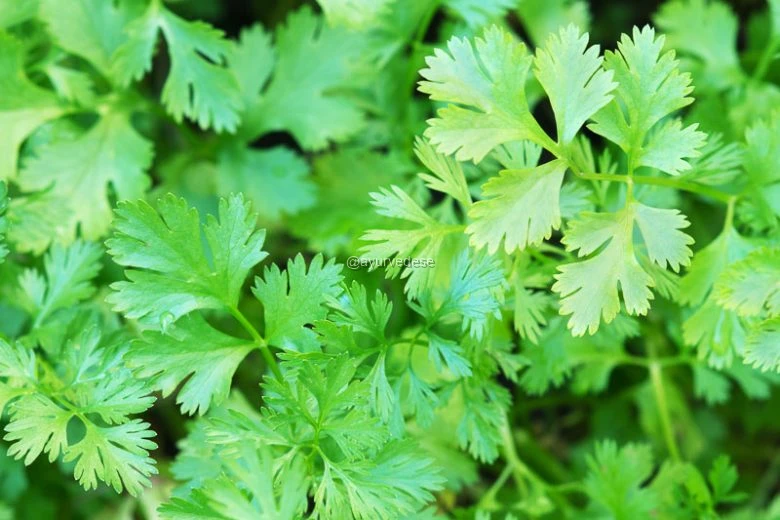
  • Coentro
    openalex🗞️ Published on Ayurdrops: Aug 01, 2026📅 Source: Aug 01, 2026

    Case Study on the Efficacy of Dhanyaka-Gokshura Ghrita and Varunadi Kwath in Benign Prostatic Hyperplasia

    Researchers evaluated the efficacy of Dhanyaka-Gokshura Ghrita and Varunadi Kwath in the treatment of Vataṣṭhīla, a condition related to benign prostatic hyperplasia. The study involved administering these formulations to diagnosed patients, observing significant improvements in urinary symptoms and quality of life. The authors, Dr. Prince Kumar Singh and colleagues, highlighted that the combination of these herbs acts to reduce inflammation and improve urinary flow, possibly due to the diuretic and anti-inflammatory properties of the Ghrita and Kwath. Although the results are promising, the study has limitations, such as the small sample size and the lack of a control group, suggesting the need for further research to validate these findings.

  • openalex🗞️ Published on Ayurdrops: Jul 31, 2026📅 Source: Aug 01, 2026

    The Role of Panchakarma in Women's Health and Obstetrics

    Researchers highlight the importance of Panchakarma in addressing conditions related to women's health (Streeroga) and obstetrics (Prasuti Tantra). The study, conducted by Dr. Anuja Arun Wavdhane and collaborators, explores how Panchakarma's detoxification and rejuvenation therapies can benefit women at different life stages, from menstruation to pregnancy and postpartum. Panchakarma, which includes practices such as Vamana (therapeutic emesis) and Basti (enemas), is presented as an effective strategy to balance the doshas and promote reproductive health. The authors argue that proper application of these techniques can improve fertility, alleviate symptoms of menstrual disorders, and facilitate a healthy pregnancy. However, the study emphasizes the need for more clinical research to validate these findings and better understand the mechanisms involved.

  • openalex🗞️ Published on Ayurdrops: Jul 31, 2026📅 Source: Aug 01, 2026

    Detailed Analysis of Hypertension in Ayurveda

    Researchers explored hypertension from the perspective of Ayurveda, highlighting the importance of understanding the factors that contribute to this condition. The study, conducted by Dr. Santosh N. Belavadi and Dr. Vishal Mahadev Khot, analyzes how imbalances in the doshas, especially Pitta and Kapha, can influence blood pressure. Hypertension is often associated with compromised Agni (digestion) and the accumulation of Ama (toxins). The article suggests that Ayurvedic interventions, such as dietary adjustments and lifestyle practices, may be effective in managing hypertension. Although the study presents valuable insights, it is important to note that the research is still preliminary and requires more clinical evidence to validate the proposed approaches.

  • Coentro
    openalex🗞️ Published on Ayurdrops: Jul 31, 2026📅 Source: Aug 01, 2026

    Effects of Dhanyaka Sita Yoga with and without Tandulodaka in the treatment of acute bronchitis in children

    Researchers evaluated the efficacy of Dhanyaka Sita Yoga, an herbal combination, in the treatment of acute bronchitis (kasa) in children. The study compared two groups: one that received the formulation with Tandulodaka (rice water) and another that did not. Results showed that the combination with Tandulodaka presented a significant improvement in respiratory symptoms, such as cough and difficulty breathing, compared to the group without the anupana. The research was conducted by Dr. Ramesh Kumar Gautam and Dr. Neetu Rathour, and data were collected from 60 children diagnosed with acute bronchitis. The treatment duration was 7 days, and outcomes were assessed based on symptom reduction and overall improvement in respiratory health. Although the findings are promising, the study had a small sample size, which limits the generalizability of the results.

  • Triphalā / Três Frutos
    openalex🗞️ Published on Ayurdrops: Jul 31, 2026📅 Source: Aug 01, 2026

    Parikartika: Integrating Ayurveda and Modern Approaches for Anal Fissure

    Researchers explored anal fissure, or parikartika, and how integrating Ayurvedic practices with modern methods can offer relief. The study, conducted by Dr. Ram Naresh Singh and Dr. Sonali Rana, highlights the importance of understanding the condition's pathophysiology, which involves intense pain and bleeding. The research suggests that using herbs like Triphala and applying oleations may be effective, while modern interventions such as biofeedback therapy are also considered. Combining these approaches may improve patients' quality of life, but the study emphasizes the need for further investigations to validate these methods. Limitations include the lack of a control group and the need for more clinical data to support the conclusions.

  • openalex🗞️ Published on Ayurdrops: Jul 31, 2026📅 Source: Aug 01, 2026

    Shiro Abhyanga and Psychosomatic Disorders: Integrating Ayurveda and Contemporary Evidence

    Researchers highlight the efficacy of Shiro Abhyanga, an Ayurvedic massage focused on the head, in treating psychosomatic disorders. The practice is grounded in classical Ayurvedic concepts that recognize the interconnection between mind and body. The study reviews contemporary evidence showing how Shiro Abhyanga can reduce symptoms of stress and anxiety, promoting relaxation and emotional balance. The massage activates pressure points that stimulate the flow of prāṇa (vital energy) and may positively influence the nervous system, helping to regulate the stress response. Although the results are promising, the study emphasizes the need for more controlled research to validate these findings and better understand the mechanisms involved.

  • openalex🗞️ Published on Ayurdrops: Jul 31, 2026📅 Source: Aug 01, 2026

    Prakriti in Ayurveda and its Relationship with Diseases

    Understanding prakriti, or individual constitution, is fundamental in Ayurveda for the assessment and treatment of diseases. Researchers such as Vd. Rohini P. Chimankar and Vd. Vidya D. Khot explore how prakriti influences disease predisposition and response to treatment. The study highlights that prakriti is determined by genetic and environmental factors, and that each dosha (vata, pitta, kapha) plays a crucial role in health and disease. Identifying an individual's prakriti can guide personalized interventions, promoting more effective treatment. Furthermore, the research suggests that understanding prakriti can help prevent diseases, as it allows individuals to adopt lifestyle practices that respect their unique constitution. Although the study presents valuable insights, limitations such as the lack of diverse samples and the need for more longitudinal research are mentioned.

  • openalex🗞️ Published on Ayurdrops: Jul 31, 2026📅 Source: Aug 01, 2026

    Recurrent Pregnancy Loss: Understanding the Causes and Ayurvedic Concepts

    Researchers highlight that recurrent pregnancy loss (RPL) can affect up to 1 in 100 women of fertile age. This phenomenon is multifactorial, involving genetic, anatomical, immunological, and hormonal aspects. In Ayurveda, RPL is often related to imbalances in the doshas, especially Vata and Pitta, which can affect reproductive health. Dr. Komal Ravinchandra Jain's study explores how the Ayurvedic approach can offer valuable insights for managing RPL, emphasizing the importance of strengthening Agni (digestion) and balancing the doshas. The research suggests that interventions such as proper diet, herbal medicine, and lifestyle practices can be beneficial. However, it is important to note that most evidence is qualitative in nature, and more quantitative studies are needed to validate these approaches.

  • openalex🗞️ Published on Ayurdrops: Jul 31, 2026📅 Source: Aug 01, 2026

    Prakriti in Ayurveda and its Relationship with Diseases

    Understanding prakriti, or individual constitution, is fundamental in Ayurveda for the assessment and treatment of diseases. Researchers such as Vd. Rohini P. Chimankar and Vd. Vidya D. Khot explore how prakriti influences predisposition to certain health conditions. The constitution is determined by a unique combination of doshas — vata, pitta, and kapha — which affect not only physical health but also mental and emotional aspects. The study highlights that prakriti assessment can guide more personalized and effective therapeutic interventions. Furthermore, the research suggests that identifying prakriti can help predict a patient's response to different treatments, making care more targeted. However, it is important to consider that prakriti assessment should be performed by qualified professionals, as incorrect interpretation can lead to inappropriate approaches.

  • openalex🗞️ Published on Ayurdrops: Jul 31, 2026📅 Source: Aug 01, 2026

    The Role of Panchakarma in Women's Health and Obstetrics

    Researchers highlight the importance of Panchakarma in addressing conditions related to women's health (Streeroga) and obstetrics (Prasuti Tantra). Panchakarma, a set of detoxification and rejuvenation therapies, is used to balance the doshas and promote overall health. The study emphasizes that proper application of these techniques can help treat menstrual disorders, fertility issues, and complications during pregnancy. The authors, Dr. Anuja Arun Wavdhane and colleagues, discuss how Panchakarma can be integrated into clinical practice to improve women's health outcomes. Furthermore, the study suggests that personalizing treatment, considering each patient's individual characteristics, is crucial for the success of interventions. Although the results are promising, limitations such as the lack of large clinical studies and the need for more scientific evidence are mentioned.

  • openalex🗞️ Published on Ayurdrops: Jul 31, 2026📅 Source: Aug 01, 2026

    Psoriasis and Raktamokshan: A Review of Treatment

    Researchers discuss the efficacy of Raktamokshan, an Ayurvedic bloodletting practice, in treating psoriasis. This method aims to remove toxins from the blood, which are considered one of the factors that aggravate the condition. The article reviews different approaches and study results showing how the practice can help reduce psoriasis symptoms, promoting an improvement in patients' quality of life. Although the results are promising, it is important to note that most reviewed studies have limitations, such as small sample sizes and lack of control groups. The connection between modern medicine and Ayurvedic concepts is explored, highlighting the importance of an integrated approach to managing psoriasis.

  • openalex🗞️ Published on Ayurdrops: Jul 31, 2026📅 Source: Aug 01, 2026

    Janu Sandhi: A Comprehensive View from the Perspectives of Ayurveda and Modern Clinics

    Researchers analyzed the knee joint, or janu sandhi, from the perspective of Ayurveda and modern medicine, highlighting the importance of understanding its complexities. The study reviews the anatomy, physiology, and pathologies associated with this joint, and discusses how Ayurveda addresses conditions such as arthritis and joint pain. The authors, Dr. Praveen Nandal and colleagues, emphasize the need to integrate traditional and modern knowledge for more effective management. The review also mentions the relevance of Ayurvedic practices, such as the use of medicinal oils and manual therapies, which can complement conventional treatments. Although the study offers a comprehensive view, limitations such as the scarcity of controlled clinical trials are pointed out, suggesting that more research is needed to validate Ayurvedic approaches in contemporary clinical contexts.

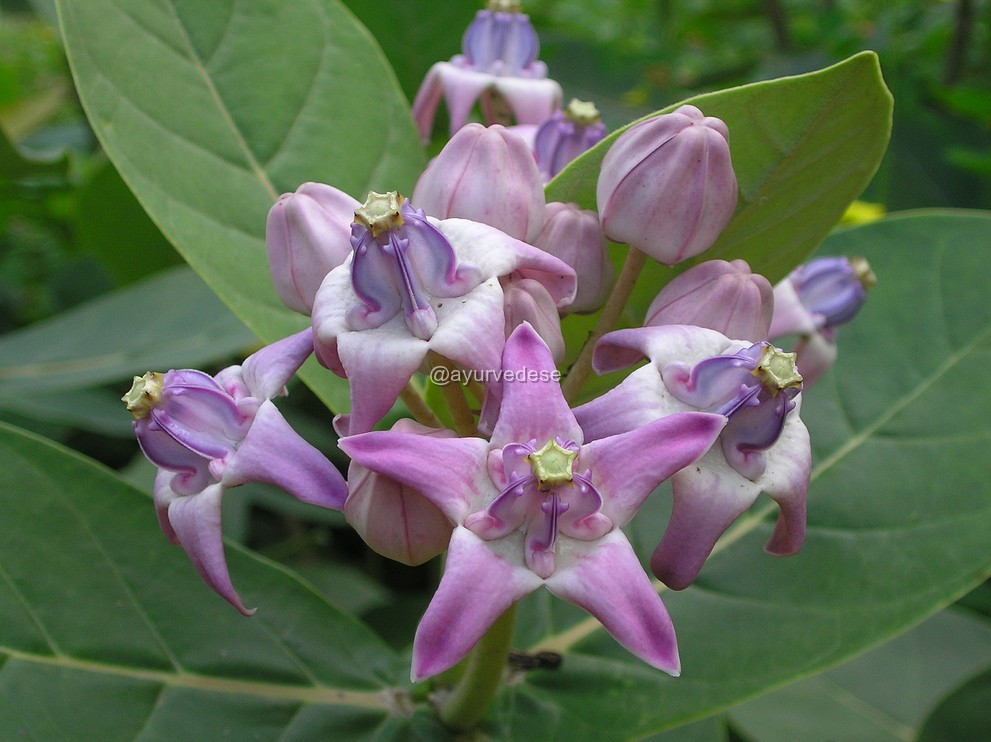
  • Calotropis / Madar / Arka
    openalex🗞️ Published on Ayurdrops: Jul 31, 2026📅 Source: Aug 01, 2026

    Arka (Calotropis gigantea and Calotropis procera) and its therapeutic uses: a comprehensive study

    Researchers explored the therapeutic properties of Arka, which includes the plants Calotropis gigantea and Calotropis procera. These herbs are traditionally used in Ayurvedic medicine to treat a variety of conditions, including respiratory and inflammatory problems. The study highlights the importance of bioactive compounds present in these plants, which demonstrate anti-inflammatory and antioxidant activity. Furthermore, mechanisms of action were identified that involve modulation of the immune system and cellular protection against oxidative stress. The authors, Dr. Bishnupriya Mohanty, Shrutika Vijaykumar Gaikward, and Prof. (Dr.) Sangram Keshari Das, emphasize the need for more clinical research to validate these properties and better understand the practical applications of Arka in modern health. Despite the promise, the study also acknowledges limitations, such as the lack of robust clinical trials and the need for more data on safety and efficacy.

  • openalex🗞️ Published on Ayurdrops: Jul 31, 2026📅 Source: Aug 01, 2026

    Parikartika: Integrating Ayurveda and Modern Approaches for Anal Fissure

    Researchers explored the integration of Ayurvedic and modern approaches for the treatment of anal fissure, known as parikartika. The study, led by Dr. Ram Naresh Singh and Dr. Sonali Rana, highlights the importance of considering both physical and emotional aspects in managing this condition. The research suggests that combining Ayurvedic therapies, such as the use of medicinal oils and specific diets, with modern interventions may result in a more holistic and effective approach. The authors emphasize that anal fissure is not only a physical problem but may also be related to emotional and stress factors, which affect Agni (digestion) and intestinal health. Clinical case analysis demonstrated that applying integrative methods can lead to a significant reduction in symptoms and improvement in patients' quality of life. However, the study also acknowledges limitations, such as the small sample size and the need for further research to validate the findings.

  • openalex🗞️ Published on Ayurdrops: Jul 31, 2026📅 Source: Aug 01, 2026

    Detailed Analysis of Hypertension in Ayurveda

    Researchers explored hypertension from the perspective of Ayurveda, highlighting the importance of understanding the factors that contribute to this condition. The study, conducted by Dr. Santosh N. Belavadi and Dr. Vishal Mahadev Khot, analyzes how imbalances in the doshas, especially Pitta and Kapha, can influence blood pressure. The research suggests that the Ayurvedic approach, which includes diet, lifestyle, and herbal medicine, may be effective in managing hypertension. The authors emphasize the need for personalized treatment, considering individual constitution and environmental factors. Although the study provides valuable insights, limitations such as the lack of a control group and the need for more clinical data are mentioned, underscoring that further research is necessary to validate the conclusions.

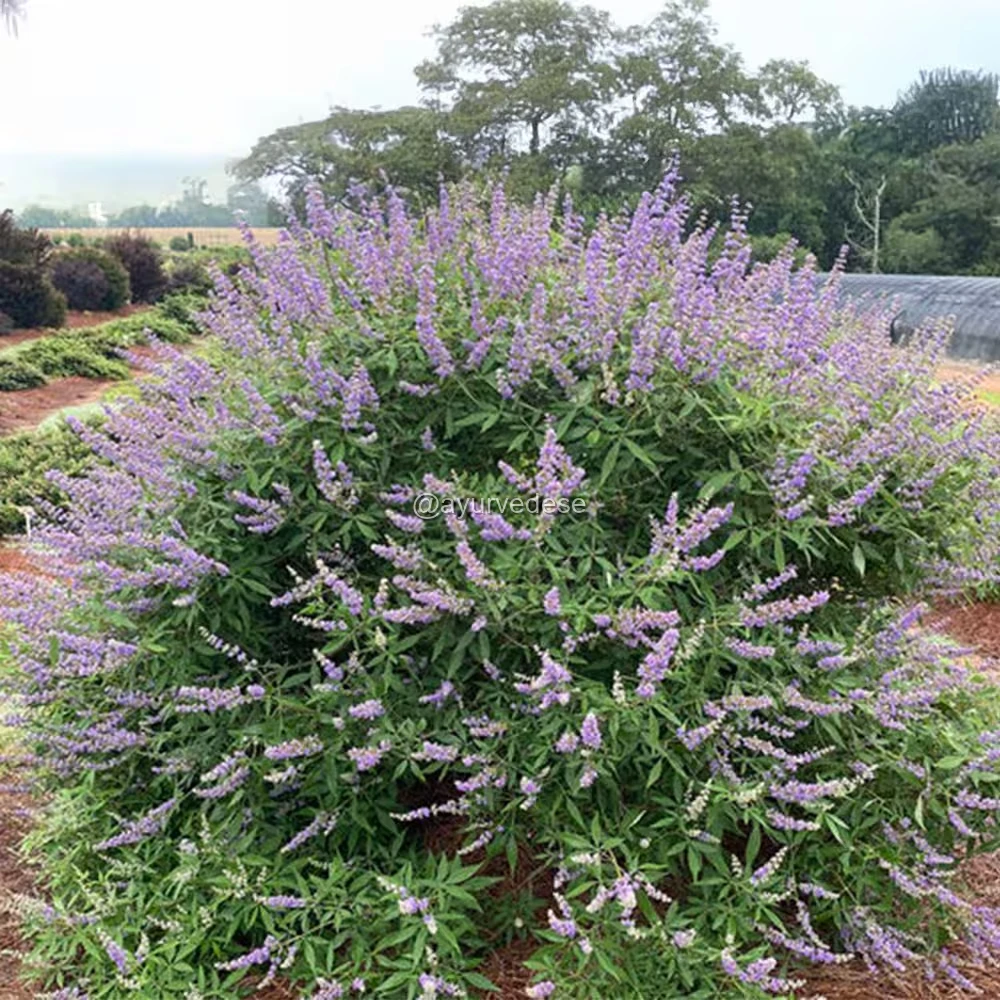
  • Agno-casto / Vitex
    openalex🗞️ Published on Ayurdrops: Jul 31, 2026📅 Source: Aug 01, 2026

    Shiro Abhyanga and Psychosomatic Disorders: An Integrative Narrative between Ayurveda and Contemporary Evidence

    Researchers highlight the efficacy of Shiro Abhyanga, a head massage practice, in treating psychosomatic disorders. This study, guided by the PRISMA methodology, reviews classical Ayurvedic concepts and relates them to modern evidence. The massage not only promotes relaxation but also acts on the regulation of the nervous system, positively influencing the HPA axis — the brain-gland-stress communication. The authors, Dr. Sachin Utpat and Dr. Renuka Sulakhe, emphasize that the practice can reduce symptoms of anxiety and depression, providing relief in conditions such as insomnia and chronic stress. Despite promising results, the study underscores the need for further research with larger samples and rigorous control to validate these findings.

  • openalex🗞️ Published on Ayurdrops: Jul 31, 2026📅 Source: Aug 01, 2026

    The Seven Tissues of Ayurveda: Understanding the Sapta Dhatu

    Understanding the sapta dhatu, or the seven tissues of the body according to Ayurveda, is fundamental to the practice of integrative health. These tissues — rasa (plasma), rakta (blood), mamsa (muscle), meda (fat), asthi (bone), majja (marrow), and sukra (semen) — play crucial roles in maintaining health and forming the body. Each dhatu is interdependent and influences overall health, reflecting the connection between the physical and the mental. The study highlights the importance of proper balance among these tissues to prevent disease and promote well-being. The research by Dr. Kavita Khond and Dr. Manisha R. Dehankar, published in 2026, explores how understanding the sapta dhatu can be applied in clinical practice, emphasizing the need for a holistic approach that considers patient individuality and the principles of Ayurveda. The interrelationship between the dhatu and the doshas is a central aspect, suggesting that imbalances in one tissue can affect others, leading to specific health conditions.

  • openalex🗞️ Published on Ayurdrops: Jul 31, 2026📅 Source: Aug 01, 2026

    The Seven Tissues of Ayurveda: Understanding the Sapta Dhatu

    Understanding the sapta dhatu, or the seven tissues of the body according to Ayurveda, is fundamental for clinical practice and health promotion. These tissues include rasa (plasma), rakta (blood), mamsa (muscle), meda (fat), asthi (bone), majja (marrow), and sukra (reproductive tissue). Each plays a crucial role in maintaining health and balance in the body. The interrelationship among these tissues is complex and reflects the overall health status of the individual. For example, the quality of rasa directly influences the formation of rakta, and so on. The study highlights the importance of nourishing each dhatu to ensure holistic health. Furthermore, research suggests that imbalances in one or more dhatu can lead to diseases, emphasizing the need for an integrated approach in treatment. Understanding the sapta dhatu can help both therapists and patients identify areas of focus in treatment and disease prevention.