Public feed

Ayurvedic editorial curation

Science articles classified by dosha, srota and dhatu. Filter to find what matters to you today.

  • Triphalā / Três Frutos
    openalex🗞️ Published on Ayurdrops: Aug 01, 2026📅 Source: Aug 01, 2026

    Allergic Conjunctivitis and the Role of Kapha: A Review of Abhishyandha

    Researchers reviewed the condition of allergic conjunctivitis from the perspective of the Ayurvedic concept of Abhishyandha, which is associated with the Kapha dosha. Allergic conjunctivitis is characterized by inflammation and ocular discharge, often triggered by allergens. The study highlights that an increase in Kapha can lead to excessive mucus production and obstruction of the ocular channels, resulting in symptoms such as itching, redness, and tearing. The Ayurvedic approach suggests that treatment should focus on reducing Kapha and clearing the channels, using herbs and practices that promote clarity and lightness. Although the review provides valuable insights, limitations such as the lack of robust clinical studies and the need for more scientific evidence are mentioned.
  • Agno-casto / Vitex
    openalex🗞️ Published on Ayurdrops: Aug 01, 2026📅 Source: Aug 01, 2026

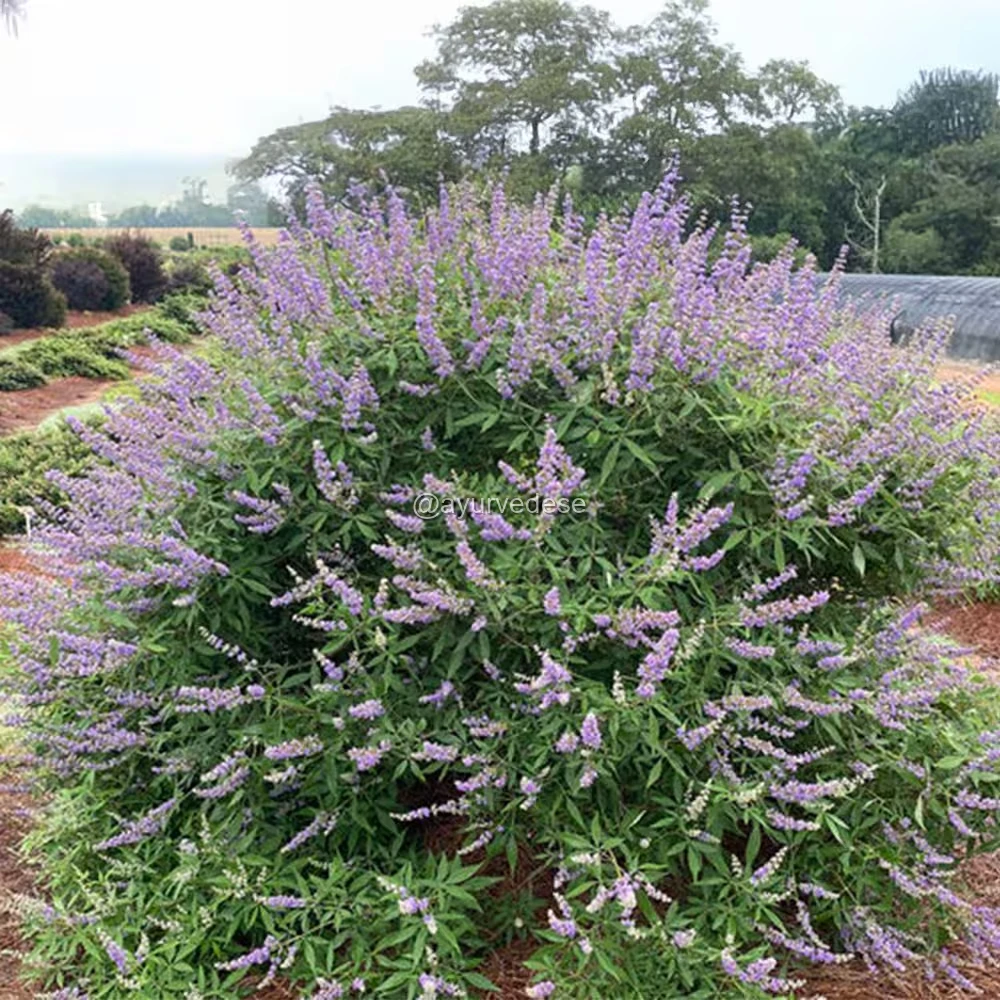
    Effects of Nirgundi Lepa in the Treatment of Vranashotha

    Researchers investigated the efficacy of lepa (paste) of Nirgundi (Vitex negundo) in the treatment of Vranashotha, a condition characterized by swelling and pain in wounds. The study, conducted by Dr. Smita Madhavrao Kanawade and Dr. Ankita Anil Ingle, demonstrated that topical application of the lepa resulted in significant reduction of inflammation and relief of pain in patients. The authors highlighted that Nirgundi possesses anti-inflammatory and analgesic properties, which can be attributed to the presence of active compounds such as flavonoids and terpenoids. The research suggests that the use of Nirgundi may be an effective and safe approach for the management of Vranashotha, although the study has limitations, such as the small sample size and the lack of a control group. These findings pave the way for further investigations into the therapeutic potential of Nirgundi in inflammatory conditions.

  • openalex🗞️ Published on Ayurdrops: Aug 01, 2026📅 Source: Aug 01, 2026

    Trividha Chikitsa: From Sacred Wisdom to Practice in Stree Roga and Prasuti Tantra

    The practice of Trividha Chikitsa, which translates as 'three treatments', is a fundamental approach in Ayurveda, especially in Stree Roga (women's health) and Prasuti Tantra (obstetrics). This concept encompasses the use of herbs, therapies, and lifestyle practices aimed at restoring balance and health in women. The study by Rajani Kagga and Padhma Sree M. explores how these principles can be applied in clinical practice, highlighting the importance of integrating traditional knowledge with the contemporary needs of patients. The authors emphasize the relevance of personalizing treatments, considering factors such as doshas and specific health conditions. The research indicates that the application of Trividha Chikitsa can significantly improve women's health, promoting more holistic and effective care. The connection between ancient knowledge and modern practices is essential for quality care, especially in areas such as reproductive health and female well-being.

  • openalex🗞️ Published on Ayurdrops: Aug 01, 2026📅 Source: Aug 01, 2026

    Pramana Sharir: body measurement in Ayurveda and its practical relevance

    Body measurement, or Pramana Sharir, is a traditional Ayurvedic practice that proves relevant in various areas, from diagnostics to treatment formulation. This method involves assessing body measurements to understand individual constitution and each patient's needs. Dr. Pooja Kailas Thenge and colleagues highlight that precision in measurements can directly influence the efficacy of therapeutic interventions. The research indicates that the application of Pramana Sharir is not limited to medicine alone but also extends to areas such as nutrition and herbal medicine, where personalization is fundamental. With the growing demand for integrative approaches, the appreciation of traditional methods like Pramana Sharir becomes increasingly pertinent. The practice can help identify imbalances and guide lifestyle choices, promoting more holistic and individualized care.

  • openalex🗞️ Published on Ayurdrops: Aug 01, 2026📅 Source: Aug 01, 2026

    Indriyāsthāna and warning signs in Ayurveda: prognostic biomarkers compared with palliative medicine

    Researchers analyzed the Arishta Lakṣaṇa, warning signs described in the Indriyāsthāna of the Caraka Saṃhitā, as potential prognostic biomarkers. The study compared these signs with indicators used in palliative medicine and terminal illnesses. The authors, Dr. Prajakta D. Matkar, Dr. Varsha S. Mali-Irale, and Dr. Suyog C. Jawake, highlighted that Arishta Lakṣaṇa may offer valuable insight into disease progression and patient quality of life. The research suggests that early identification of these signs can assist in clinical decision-making and care planning, aligning with the principles of palliative medicine, which prioritize comfort and quality of life. Although the study presents an interesting analysis, limitations such as the lack of a control group and the need for validation in larger populations were noted, indicating that further research is necessary to confirm these findings.

  • Jatamansi
    openalex🗞️ Published on Ayurdrops: Aug 01, 2026📅 Source: Aug 01, 2026

    Healing of diabetic ulcer with Jatyadi Taila and Jalaukavacharana: a case study

    Researchers presented a clinical case of diabetic ulcer (Dushta Vrana) treated with Jatyadi Taila and Jalaukavacharana, a technique that involves the application of leeches. The patient, a 55-year-old man, presented with a foot ulcer that was not healing properly. After 15 days of treatment with Jatyadi Taila, which has anti-inflammatory and healing properties, and the application of leeches, a significant reduction in the ulcer area and improvement in pain were observed. The use of Jatyadi Taila, which combines herbs such as Jatamansi and Neem, enhances healing by promoting circulation and reducing inflammation. This study highlights the effectiveness of Ayurvedic approaches in managing modern conditions, such as diabetic ulcers, which often challenge conventional medicine. Although the case presents promising results, limitations such as the small number of patients and the lack of a control group should be considered.

  • openalex🗞️ Published on Ayurdrops: Aug 01, 2026📅 Source: Aug 01, 2026

    How Ayurveda Can Help with Urinary Tract Infection: A Case Report

    Researchers presented a clinical case illustrating the efficacy of Ayurveda in treating mutrakriccha, or urinary tract infection (UTI). The treatment included the use of herbs such as Gokshura (Tribulus terrestris) and Varuna (Crataeva nurvala), known for their diuretic and anti-inflammatory properties. The patient, who presented symptoms such as pain during urination and frequent urge to urinate, was treated with a combination of herbal remedies and dietary adjustments. After 15 days of treatment, there was a significant reduction in symptoms and improvement in the patient's quality of life. This report highlights the importance of integrative and personalized approaches in managing common conditions like UTI, aligning traditional practices with contemporary clinical evidence. However, it is important to note that the study is based on a single case, which limits the generalizability of the results.

  • openalex🗞️ Published on Ayurdrops: Aug 01, 2026📅 Source: Aug 01, 2026

    Psoriasis and Vamana Karma: A Case Report with Jeemutaka

    Researchers presented a case report describing the efficacy of Vamana Karma, a purgative therapy, in the treatment of psoriasis. The patient, a 32-year-old man, presented with extensive psoriatic lesions and underwent a protocol that included Jeemutaka, an herb known for its anti-inflammatory properties. After the therapy, a significant reduction in lesions was observed, with improvement in the patient's quality of life. Vamana Karma works by promoting the elimination of toxins from the body, which may be particularly beneficial in autoimmune conditions such as psoriasis. This case suggests that the Ayurvedic approach may complement conventional treatments, although further studies are needed to validate these findings in larger populations with adequate control.

  • openalex🗞️ Published on Ayurdrops: Aug 01, 2026📅 Source: Aug 01, 2026

    Uterine Cleansing in the Postpartum Period: An Ayurvedic Perspective and Contemporary Insights

    Researchers discuss the importance of uterine cleansing, or garbhashaya shodhana, during sutika kala, which refers to the postpartum period. This process is fundamental for uterine involution, which is the reduction in the size of the uterus after childbirth. The study highlights Ayurvedic practices that promote this cleansing, such as the use of specific herbs and therapies aimed at balancing the doshas, especially kapha, which tends to increase during this period. Additionally, contemporary data are presented that corroborate the effectiveness of these practices, suggesting that the Ayurvedic approach may offer significant benefits for women's health in the postpartum period. The review also mentions the need for more research to validate these practices in a modern clinical context, considering the limitations of existing studies, such as the lack of control groups and small samples.

  • openalex🗞️ Published on Ayurdrops: Aug 01, 2026📅 Source: Aug 01, 2026

    Open-Angle Glaucoma: An Overview with a Focus on Kaphaja Adhimantha

    Researchers highlight the importance of understanding open-angle glaucoma, an ocular condition that can lead to vision loss. This article reviews existing literature, with an emphasis on the Ayurvedic concept of Kaphaja Adhimantha, which refers to a form of glaucoma associated with the Kapha dosha. The study suggests that Kapha accumulation may contribute to increased intraocular pressure, a critical factor in the development of glaucoma. Additionally, the review explores clinical and therapeutic implications, suggesting that interventions aimed at balancing Kapha may be beneficial. The analysis also mentions the need for further research to validate these connections between Ayurveda and modern ophthalmology, especially regarding glaucoma management.

  • openalex🗞️ Published on Ayurdrops: Aug 01, 2026📅 Source: Aug 01, 2026

    Ksharagada and its anti-inflammatory potential: what an in vitro study reveals

    Researchers analyzed the anti-inflammatory potential of Ksharagada extracts in an in vitro study. The authors, Dr. Pallavi Joshi and colleagues, observed that the extracts demonstrated a significant reduction in the production of inflammatory mediators, such as the cytokines IL-6 and TNF-α, which are associated with chronic inflammatory processes. The results indicate that Ksharagada may act in modulating the inflammatory response, possibly through the inhibition of cellular signaling pathways that lead to inflammation. Although the data are promising, it is important to note that the study was conducted under laboratory conditions, which limits the generalization of the results to direct clinical applications. Further research is needed to understand the mechanisms of action and efficacy in humans.

  • openalex🗞️ Published on Ayurdrops: Aug 01, 2026📅 Source: Aug 01, 2026

    Swarna Bhasma as Ayurvedic nanomedicine: review on immunomodulation, inflammation, and anticancer signaling

    Researchers reviewed the effects of Swarna Bhasma, a form of gold used in Ayurvedic medicine, highlighting its immunomodulatory, anti-inflammatory, and anticancer properties. The study indicates that Swarna Bhasma acts on various cellular signaling pathways, promoting regulation of the immune system and reduction of inflammation. Additionally, specific mechanisms demonstrating its efficacy in inhibiting the growth of cancer cells were identified. The authors, Dr. Shahadat Khan and colleagues, emphasize the importance of Swarna Bhasma as a potential nanomedicine, although they stress the need for more clinical studies to validate these findings. The research highlights the connection between Ayurvedic concepts and modern discoveries, suggesting that the traditional use of Swarna Bhasma may have solid scientific bases.

  • openalex🗞️ Published on Ayurdrops: Aug 01, 2026📅 Source: Aug 01, 2026

    Uterine Detoxification in the Postpartum Period: Ayurvedic Perspectives and Contemporary Insights

    Researchers discuss the importance of uterine detoxification (garbhashaya shodhana) during the postpartum period (sutikā kāla) to promote healthy uterine involution. The narrative review explores how Ayurvedic practices can aid in a woman's recovery after childbirth, emphasizing the need for a balanced environment for reproductive health. The study suggests that detoxification not only facilitates physical recovery but may also impact the mother's emotional well-being. Uterine involution, which is the process of the uterus returning to its normal size, is crucial for preventing complications. The article highlights the relevance of Ayurvedic interventions, such as the use of herbs and care practices, which can be integrated into the contemporary approach to postpartum care, promoting a more holistic and effective recovery.

  • openalex🗞️ Published on Ayurdrops: Aug 01, 2026📅 Source: Aug 01, 2026

    Kampavāta: A Critical Review of Ayurvedic and Modern Concepts

    Researchers analyzed the condition known as Kampavāta, which relates to paralysis and movement disorders, from the perspective of Ayurveda and modern medicine. The study, conducted by Dr. Atul Kumar Agrawal and Dr. Ayushi Kasyap, highlights the importance of understanding the causes and symptoms of this condition, which may include muscle weakness and tremors. In Ayurveda, Kampavāta is often associated with an imbalance of the doshas, especially Vāta, and is treated with a combination of therapies, including the use of herbs and purification practices. The review also explores how modern concepts of neuroscience and physiology can integrate with Ayurvedic understanding, offering a more holistic view of treatment. Although the study presents a comprehensive analysis, limitations such as the lack of robust clinical data and the need for further research are mentioned.

  • openalex🗞️ Published on Ayurdrops: Aug 01, 2026📅 Source: Aug 01, 2026

    How Ayurveda Can Help with Seborrheic Blepharitis: A Case Report

    Researchers presented a clinical case of Krimigranthi, or seborrheic blepharitis, treated with Ayurvedic approaches. The treatment included the use of specific herbs and eye hygiene practices, aiming to balance the doshas and improve the health of the skin around the eyes. The patient showed significant improvement in symptoms, including reduced inflammation and relief from itching. This case highlights the importance of a holistic and personalized approach in treating ocular conditions, aligning with Ayurvedic principles that emphasize the connection between body and mind. Although the study is promising, it is important to consider that it is a case report, which limits the generalizability of the results. Further research is needed to validate the efficacy of Ayurvedic interventions in conditions such as seborrheic blepharitis.

  • Coentro
    openalex🗞️ Published on Ayurdrops: Aug 01, 2026📅 Source: Aug 01, 2026

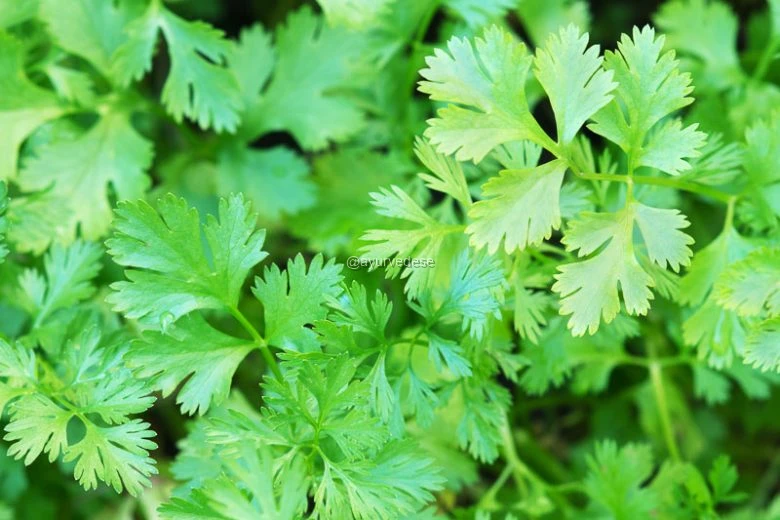
    Treatment of Benign Prostatic Enlargement with Ayurveda: A Case Study with Gokshura and Khadir

    Researchers presented a case study exploring the efficacy of Dhanyak Gokshura Ghrittam (a ghee-based preparation) administered via uttarabasti (an enema technique) and Khadir Beej Choorna (powder of Khadir seeds) administered orally in a patient with Vaatashtila, a condition related to benign prostatic enlargement (Benign Prostatic Hyperplasia - BPH). The treatment resulted in significant improvements in the patient's urinary symptoms and quality of life. The study highlights the importance of integrative approaches in managing BPH, using Ayurvedic principles such as identifying the predominant dosha and choosing herbs that balance Vata. Although the results are promising, the study is limited by being a single case, which prevents broad generalizations. Further research is needed to validate these findings in larger populations and with different clinical profiles.

  • openalex🗞️ Published on Ayurdrops: Aug 01, 2026📅 Source: Aug 01, 2026

    Chandanadichurna and Shatavaryadi: an Ayurvedic approach to non-progressive pterygium

    Researchers evaluated the efficacy of Chandanadichurna Anjana in combination with Shatavaryadi Churna in the treatment of Shukla Arma, known as non-progressive pterygium. The study included a group of patients who received the Ayurvedic formulation for a specific period, observing significant improvements in symptoms and ocular condition. The authors, Dr. Amanveer Kour Chani and her team, highlighted that the combination of herbs promoted relief from inflammation and improved ocular health, suggesting a potential role of Agni (digestion) and the doshas in the pathology of pterygium. Although the results are promising, the study has limitations, such as the small sample size and the need for further investigations to confirm long-term efficacy.

  • openalex🗞️ Published on Ayurdrops: Aug 01, 2026📅 Source: Aug 01, 2026

    Indrayavadi Yoga and the Treatment of Shweta Pradara: A Case Report

    Researchers presented positive results in the treatment of Shweta Pradara, a condition referring to abnormal vaginal discharge, using Indrayavadi Yoga. This case study involved the application of specific yoga practices and Ayurvedic interventions, demonstrating significant improvements in patients' symptoms. The protocol included breathing exercises and postures aimed at balancing the doshas, especially Pitta, which is associated with inflammation and excessive discharge. The authors, Dr. Gupta Priya and team, observed that patients reported a reduction in symptoms over a follow-up period, highlighting the importance of integrative approaches in women's health. Although the results are promising, the study is limited by the small number of cases and the lack of a control group, suggesting the need for further research to validate these findings.

  • openalex🗞️ Published on Ayurdrops: Aug 01, 2026📅 Source: Aug 01, 2026

    Effective Glycemic Control with Micon Gold: A Case Report

    Researchers have demonstrated that the use of Micon Gold facilitated the gradual reduction of oral hypoglycemic medications in a patient with diabetes. In the case report, Dr. Apurva G. Gedam and Dr. Shweta L. Lade observed that after the introduction of Micon Gold, the patient showed significant glycemic control, allowing a decrease in the dose of conventional medications. The study highlights the importance of integrative approaches in diabetes management, where combining therapies can enhance outcomes. Although the case presents promising results, it is important to consider that this is a single case report, which limits the generalizability of the findings. Further research is needed to understand the mechanisms involved and efficacy in larger populations.

  • openalex🗞️ Published on Ayurdrops: Aug 01, 2026📅 Source: Aug 01, 2026

    Ayurvedic Intervention in Combating Ototoxicity Induced by Chemo and Radiotherapy: Two Clinical Cases

    Researchers presented two clinical cases exploring how Ayurvedic interventions can help mitigate ototoxicity caused by chemotherapy and radiotherapy. Ototoxicity is a common side effect of these treatments, leading to hearing loss and other ear-related problems. In this study, Ayurvedic methods were used, including the administration of herbs and care practices, which showed positive results in preserving patients' auditory function. The author, Dr. Viva M. Vasu, highlights the importance of integrating traditional approaches like Ayurveda into modern clinical practice, especially in oncological contexts. Although the results are promising, the study is limited by the small number of cases and the lack of a control group, which prevents definitive conclusions about the efficacy of the interventions.