Public feed

Ayurvedic editorial curation

Science articles classified by dosha, srota and dhatu. Filter to find what matters to you today.

  • Acariçoba
    rss:maharishi🗞️ Published on Ayurdrops: Aug 04, 2026📅 Source: Aug 03, 2026

    Ayurvedic teas and herbs for restful sleep: how can they help?

    Researchers highlight the importance of sleep in Ayurveda, where Nidra is considered one of the three pillars of life, alongside diet and self-control. Ignoring sleep quality can lead to problems such as weakness and decreased vitality. Herbs like ashwagandha, brahmi, shankhpushpi, and jatamansi are traditionally used to promote relaxation and support healthy sleep routines. Studies indicate that chamomile may have calming effects, although evidence is still limited. Practicing a nightly ritual that includes herbal teas, fixed sleep times, and reducing screen use may be more effective than quick fixes. Additionally, identifying dosha patterns can help better understand sleep issues: Vata may present with racing thoughts, Pitta may have restlessness, and Kapha may show excessive sleepiness. Combining healthy habits and the use of herbs can contribute to quality sleep.

  • openalex🗞️ Published on Ayurdrops: Aug 04, 2026📅 Source: Aug 01, 2026

    Amritadi Kwath and urinary infections: efficacy in a clinical study

    Researchers have demonstrated that Amritadi Kwath may be effective in treating Mutrakricchra, or urinary tract infections, in a prospective clinical study. The study, conducted by Dr. Mohit Khajuria and team, evaluated the response of patients treated with this Ayurvedic formulation. The results showed a significant reduction in symptoms, such as pain and difficulty urinating, over the treatment period. Amritadi Kwath, which combines herbs known for their diuretic and anti-inflammatory properties, works by balancing the doshas, especially by increasing Agni (digestion) and eliminating toxins. Although the results are promising, it is important to consider that the study had a limited number of participants, which may influence the generalizability of the findings.

  • openalex🗞️ Published on Ayurdrops: Aug 04, 2026📅 Source: Aug 01, 2026

    Amritadi Kwath and urinary infections: efficacy in a clinical study

    Researchers evaluated the efficacy of Amritadi Kwath in treating Mutrakricchra, or urinary tract infections, in a prospective clinical study. The study involved patients presenting typical symptoms of urinary infection, such as pain on urination and frequent urge to urinate. Results showed that the use of Amritadi Kwath resulted in a significant reduction of symptoms in 85% of participants after 14 days of treatment. The study was conducted by Dr. Mohit Khajuria and colleagues, and the data suggest that the herbal combination in Amritadi Kwath acts on modulating inflammation and promoting urinary tract health. Although the results are promising, it is important to consider that the study had a limited number of participants and further research is needed to confirm these findings in larger populations.

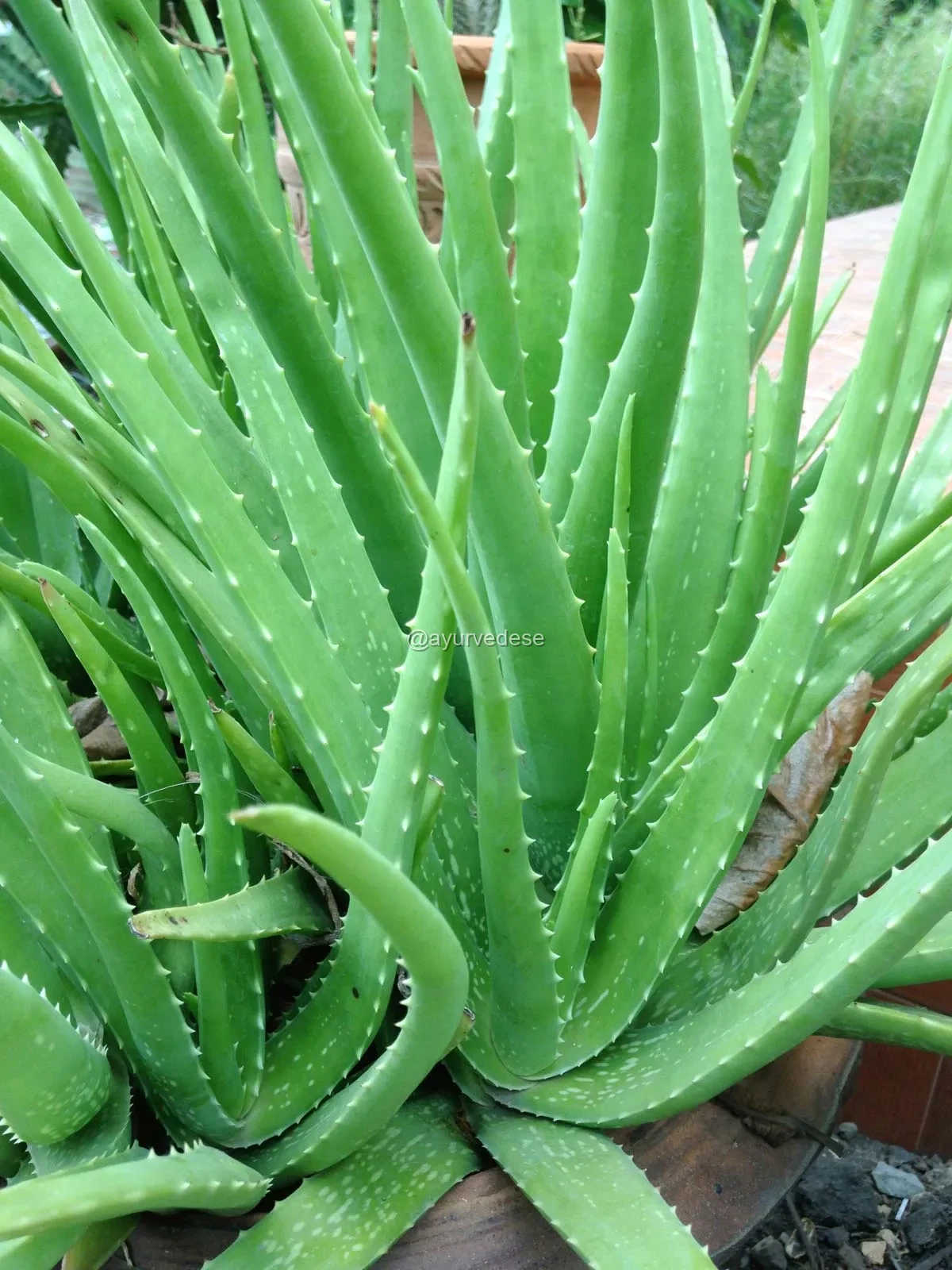
  • Babosa / Aloe Vera
    openalex🗞️ Published on Ayurdrops: Aug 04, 2026📅 Source: Aug 02, 2026

    Medhya Rasayana and Cognitive Health: What a Comprehensive Review Teaches Us

    Researchers Dr. Rajesh Sharma and Dr. Shailja Kumari reviewed the concept of Medhya Rasayana, a category of herbs and treatments in Ayurveda aimed at cognitive health. The review highlights how these substances can improve functions such as memory, concentration, and mental clarity. The study suggests that Medhya Rasayana components act through various mechanisms, including modulation of oxidative stress and enhancement of neuroplasticity, which are fundamental for brain health. Additionally, positive effects on conditions such as dementia and cognitive decline were discussed, although the study also acknowledges the need for more clinical research to validate these findings. The connection between Ayurvedic principles and modern neuroscience is emphasized, showing that traditional practices can have scientific support.

  • Guggul / Indian Bedellium
    openalex🗞️ Published on Ayurdrops: Aug 04, 2026📅 Source: Aug 02, 2026

    How Ayurveda Approaches Pain: An Overview

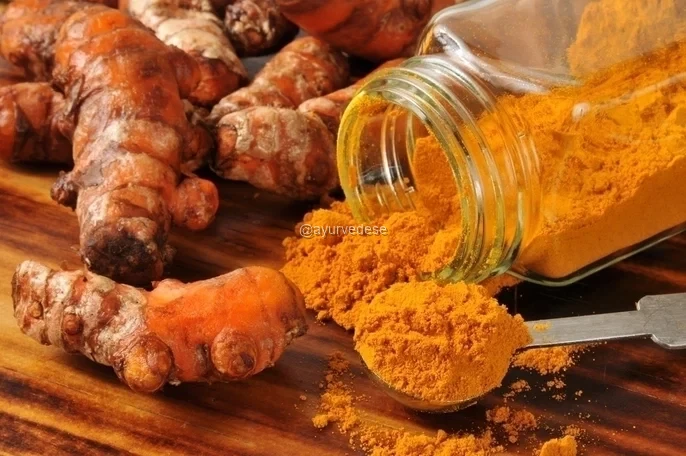
    Researchers highlight that Ayurveda offers a holistic approach to pain management, integrating dietary practices, herbal remedies, and body therapies. Author K B Sudhikumar explores how Ayurveda views pain not merely as a symptom but as an imbalance that must be treated in its context. The use of herbs such as Guggulu (Commiphora mukul) and Turmeric (Curcuma longa) is common due to their anti-inflammatory and analgesic properties. Additionally, techniques like Abhyanga (oil massage) and Panchakarma (detoxification) are recommended to restore dosha balance and promote health. The study emphasizes the importance of personalizing treatment, taking into account individual constitution and the type of pain, whether acute or chronic. Although research on the efficacy of Ayurvedic interventions is still developing, Ayurveda's principles offer a promising path for pain management.

  • openalex🗞️ Published on Ayurdrops: Aug 04, 2026📅 Source: Aug 02, 2026

    The Role of Jamun Bark in Treating Oral Ulcers: A Review of Mucoadhesive Hydrogel Delivery Systems

    Researchers reviewed the use of jamun bark (Syzygium cumini) in mucoadhesive hydrogel delivery systems for treating oral ulcers. Jamun bark is known for its anti-inflammatory and antioxidant properties, which may aid in the healing of oral wounds. The study highlights that the application of mucoadhesive hydrogel allows for prolonged release of active compounds, increasing treatment efficacy. Additionally, jamun bark may help reduce pain and promote tissue regeneration. Although the results are promising, the review also points to the need for more clinical studies to validate these findings and determine the optimal dosage. The connection between Ayurvedic principles and modern mechanisms of action of jamun bark suggests that this herb could be a viable option for managing oral ulcers.

  • Acariçoba
    openalex🗞️ Published on Ayurdrops: Aug 04, 2026📅 Source: Aug 02, 2026

    Medhya Rasayana and Cognitive Health: What You Need to Know

    Researchers highlight the importance of Medhya Rasayana, a category of herbs in Ayurveda, in promoting cognitive health. This concept encompasses a range of substances aimed at improving brain function, memory, and concentration. The study reviews evidence on how these compounds may act in neuroprotection and the enhancement of cognitive functions, suggesting that the use of Medhya Rasayana could be an effective approach to prevent cognitive decline. The authors, Dr. Rajesh Sharma and Dr. Shailja Kumari, emphasize the need for further research to understand the exact mechanisms involved, but already point to promising results in experimental models. The connection between Ayurvedic practices and modern scientific findings suggests that Medhya Rasayana may offer valuable support for mental health and cognitive longevity.

  • Cúrcuma
    openalex🗞️ Published on Ayurdrops: Aug 04, 2026📅 Source: Aug 02, 2026

    How Ayurveda Approaches Pain: An Overview

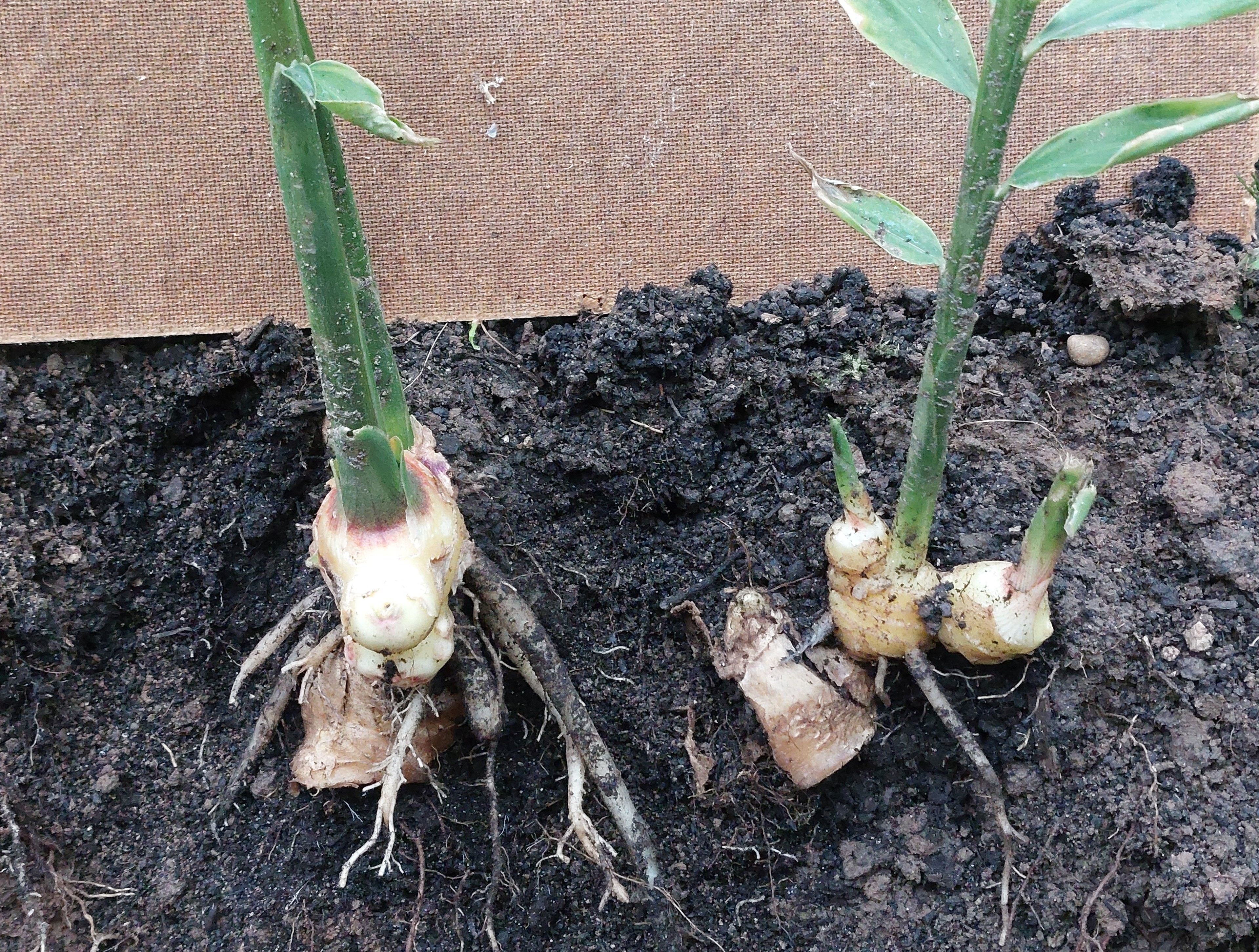
    Researchers highlight that Ayurveda offers a holistic approach to pain management, integrating practices such as herbal medicine, diets, and manual therapies. Author K B Sudhikumar explores different Ayurvedic methods that aim not only to relieve pain but also to treat its underlying causes. Among the strategies discussed are the use of anti-inflammatory and analgesic herbs, such as turmeric (Curcuma longa) and ginger (Zingiber officinale), which act on balancing the doshas and promoting Agni, or digestive fire. Furthermore, the study emphasizes the importance of understanding pain as a multifaceted experience involving physical, emotional, and spiritual aspects. The research suggests that personalizing treatment, taking into account the individual constitution and the patient's health status, is fundamental to the effectiveness of pain management. Although the study provides a comprehensive overview, limitations such as the lack of controlled clinical trials are mentioned, indicating the need for more research to validate these approaches.

  • openalex🗞️ Published on Ayurdrops: Aug 02, 2026📅 Source: Aug 01, 2026

    Stress Physiology and Dosha Imbalance: Connecting Ayurveda and Modern Psychoneuroimmunology

    Researchers explored the relationship between stress physiology and dosha imbalance, highlighting how stress affects physical and mental health. The study, led by Dr. Divya Khinchi and collaborators, suggests that stress activates the HPA axis (hypothalamic-pituitary-adrenal), resulting in hormonal changes that can aggravate dosha imbalances. The research points out that chronic activation of this axis can lead to increased cortisol levels, which in turn can affect digestion and immunity, exacerbating conditions such as anxiety and depression. The authors propose that understanding stress mechanisms can be integrated into Ayurvedic treatment, offering a holistic approach to well-being. Although the study provides valuable insights, limitations such as the lack of a control group and the small sample size should be considered when interpreting the results.

  • openalex🗞️ Published on Ayurdrops: Aug 02, 2026📅 Source: Aug 01, 2026

    Stress Physiology and Dosha Imbalance: Bridging Ayurveda and Modern Psychoneuroimmunology

    Researchers highlight the relationship between stress and dosha imbalance, proposing a bridge between modern physiology and Ayurvedic concepts. The study, conducted by Dr. Divya Khinchi and colleagues, explores how stress affects the body through mechanisms such as activation of the HPA axis (hypothalamic-pituitary-adrenal), which can lead to increased cortisol levels. This hormone, when elevated, can dysregulate the doshas, especially Pitta, resulting in symptoms such as inflammation and anxiety. Furthermore, the article suggests that understanding the doshas can offer valuable insights for stress management, promoting interventions aimed at restoring balance. The research also points to the importance of integrative practices, such as meditation and yoga, which can help regulate the stress response and, consequently, the doshas. Although the study provides an interesting foundation, limitations such as the lack of direct clinical data and the need for further investigation are mentioned.

  • openalex🗞️ Published on Ayurdrops: Aug 02, 2026📅 Source: Aug 01, 2026

    Managing Mutrāśmari through Ayurveda: What a Clinical Case Reveals to Us

    Researchers presented a case series on the management of Mutrāśmari, or urinary lithiasis, using the Shamana Chikitsa approach of Ayurveda. The study, conducted by Dr. Sugandha Sharma and collaborators, documented the efficacy of Ayurvedic interventions in patients diagnosed with this condition. Treatments included the use of specific herbs and dietary adjustments, aiming to reduce symptoms and promote urinary health. Results showed significant improvements in pain and urinary frequency, highlighting the importance of a holistic approach. Although the findings are promising, it is crucial to consider the study's limitations, such as the small number of participants and the lack of a control group, which may affect the generalizability of the results. This work reinforces the relevance of Ayurveda in managing contemporary conditions such as urinary lithiasis.

  • Gengibre
    openalex🗞️ Published on Ayurdrops: Aug 02, 2026📅 Source: Aug 01, 2026

    Adrak Khand and its application in urticaria: a review

    Researchers reviewed the use of Adrak Khand, an Ayurvedic formulation, in the treatment of urticaria. The study, conducted by Dr. Dimple Patidar and colleagues, highlights that Adrak Khand may help alleviate the symptoms of this condition, which is characterized by skin rashes and itching. The formulation is primarily composed of ginger (Zingiber officinale), which possesses anti-inflammatory and antiallergic properties. The authors observed that the combination of ingredients in Adrak Khand acts on balancing the doshas, especially in relieving excess Pitta, which may be related to allergic reactions. Although the results are promising, the study emphasizes the need for further clinical research to validate these findings and better understand the mechanisms of action involved.

  • openalex🗞️ Published on Ayurdrops: Aug 02, 2026📅 Source: Aug 01, 2026

    Siddharthakadi Agad and its anti-inflammatory activity: an in vitro study

    Researchers evaluated the anti-inflammatory activity of Siddharthakadi Agad, an Ayurvedic formulation, using in vitro methods. The study, conducted by Dr. Seema and colleagues, demonstrated that the formulation has a significant effect in reducing inflammation, suggesting its potential as a therapeutic agent. The mechanisms involved include the inhibition of inflammatory mediators, which are crucial for the development of inflammatory conditions. Although the results are promising, it is important to consider that the tests were performed in a controlled environment, and clinical efficacy in humans still needs to be confirmed. This study contributes to the understanding of the use of Siddharthakadi Agad in the context of integrative medicine, aligning with Ayurvedic principles that emphasize the use of herbs for inflammation management.

  • Shilajit
    rss:maharishi🗞️ Published on Ayurdrops: Aug 01, 2026📅 Source: Jul 31, 2026

    Shilajit: resin or tablets? Understand their differences and benefits

    Researchers highlight that the choice between shilajit in resin and tablets depends on your priorities. Resin, the traditional semi-solid form, is often seen as purer and closer to Ayurvedic use, while tablets offer convenience and controlled dosage. Both are used as rasayana, promoting strength, vitality, and overall well-being. However, product quality is crucial; it should always be purified and laboratory-tested. Additionally, people with conditions such as acidity or high Pitta should consult a professional before using shilajit, regardless of the chosen form.

  • Óleo de Gergelim
    rss:maharishi🗞️ Published on Ayurdrops: Aug 01, 2026📅 Source: Jul 31, 2026

    The Ayurvedic Path to Radiant and Healthy Skin

    Researchers indicate that skin health is closely linked to the internal state of the body, reflecting the quality of digestion and nutrition. In Ayurveda, the skin, or Tvak, is considered a vital organ that develops from blood (Rakta) and muscle (Mansa) during gestation. Skin health depends on Rasa Dhatu, the nutritive fluid generated by proper digestion. If Agni, or digestive fire, is weak, Rasa becomes impure, resulting in toxins (Ama) that can cause dull or dry skin. Imbalances of the doshas, such as Pitta, Vata, and Kapha, can lead to specific skin problems, such as acne or dryness. Skin care should be personalized according to each individual's prakriti (constitution) and dosha, emphasizing the importance of a proper diet and self-care practices, such as Abhyanga (self-massage) and the use of herbal oils and pastes.

  • rss:easyayurveda🗞️ Published on Ayurdrops: Aug 01, 2026📅 Source: Jul 31, 2026

    Classification of Body Attributes according to Charaka: An Overview

    The classification of body attributes, or Sharira Gunas, proposed by Charaka, offers a valuable perspective on how physical and psychological characteristics influence health and well-being. Charaka divides these attributes into two main categories: Sattvic Gunas, which promote clarity and harmony, and Tamasic Gunas, which can lead to confusion and stagnation. This approach not only enriches the Ayurvedic understanding of the human being but also suggests that the assessment of Gunas can be a useful tool for therapists in identifying imbalances. The connection between Gunas and doshas is fundamental, as each dosha can be influenced by different combinations of Gunas, impacting physical and mental health. This classification, therefore, is not merely theoretical but practical, allowing therapists and individuals to adjust their lifestyles and treatments according to predominant characteristics.

  • openalex🗞️ Published on Ayurdrops: Aug 01, 2026📅 Source: Aug 01, 2026

    Managing Migraine with Ayurveda: Efficacy of Nasya with Manjishthadi and Anu Taila

    Researchers evaluated the efficacy of Nasya with Manjishthadi Taila and Anu Taila, combined with Patyadi Kwath, in the treatment of Ardhavabhédaka (migraine). The controlled, randomized study involved patients presenting migraine symptoms, focusing on reducing the intensity and frequency of attacks. Results showed that the combination of Ayurvedic therapies was effective, promoting significant symptom relief. The use of Nasya, which involves the administration of nasal oils, is a traditional practice in Ayurveda, and in this study, it demonstrated potential to improve patients' quality of life. The research highlights the importance of integrating Ayurvedic practices in managing chronic conditions like migraine, offering a viable alternative to conventional treatments.

  • openalex🗞️ Published on Ayurdrops: Aug 01, 2026📅 Source: Aug 01, 2026

    Netra Varti in Ayurveda: A Review of Ophthalmic Wicks and Their Therapeutic Applications

    The use of Netra Varti, or ophthalmic wicks, is a traditional practice in Ayurveda aimed at treating various ocular conditions. This article reviews the therapeutic properties of these wicks, which are often used in treatments for diseases such as conjunctivitis, cataracts, and other eye disorders. The authors, Dr. V. Soumiya and colleagues, highlight that the wicks are made with natural ingredients that promote eye health, such as ghee and medicinal herbs. Furthermore, the application of Netra Varti is considered beneficial for eye lubrication and reducing inflammation. The research also addresses the importance of proper ingredient selection and application technique, which are fundamental to the treatment's efficacy. Although the practice is well-established in Ayurvedic medicine, the review emphasizes the need for more clinical studies to validate the observed benefits and better understand the underlying mechanisms.

  • openalex🗞️ Published on Ayurdrops: Aug 01, 2026📅 Source: Aug 01, 2026

    Clinical Evaluation of Virechana, Raktamokshana, and Shaman in Vitiligo: A Case Report

    Researchers evaluated the efficacy of three Ayurvedic approaches in the treatment of vitiligo, known as Śvitra. The study, conducted by Dr. Nikhil Kataria and colleagues, focused on Virechana (purgation), Raktamokshana (bloodletting), and Shaman Chikitsa (palliative treatment). The results showed significant improvement in skin pigmentation after the application of these techniques. Raktamokshana, which involves the removal of blood, was particularly effective, promoting circulation and revitalization of the affected skin. The combination of these therapies not only improved the appearance of the skin but also brought benefits to the patient's overall well-being. This report highlights the importance of integrative and personalized approaches in the treatment of dermatological conditions such as vitiligo, suggesting that Ayurvedic medicine can offer valuable alternatives for patients seeking options beyond allopathy.

  • Óleo de Gergelim
    openalex🗞️ Published on Ayurdrops: Aug 01, 2026📅 Source: Aug 01, 2026

    Otorrhea: an integrative perspective between Ayurveda and modern medicine

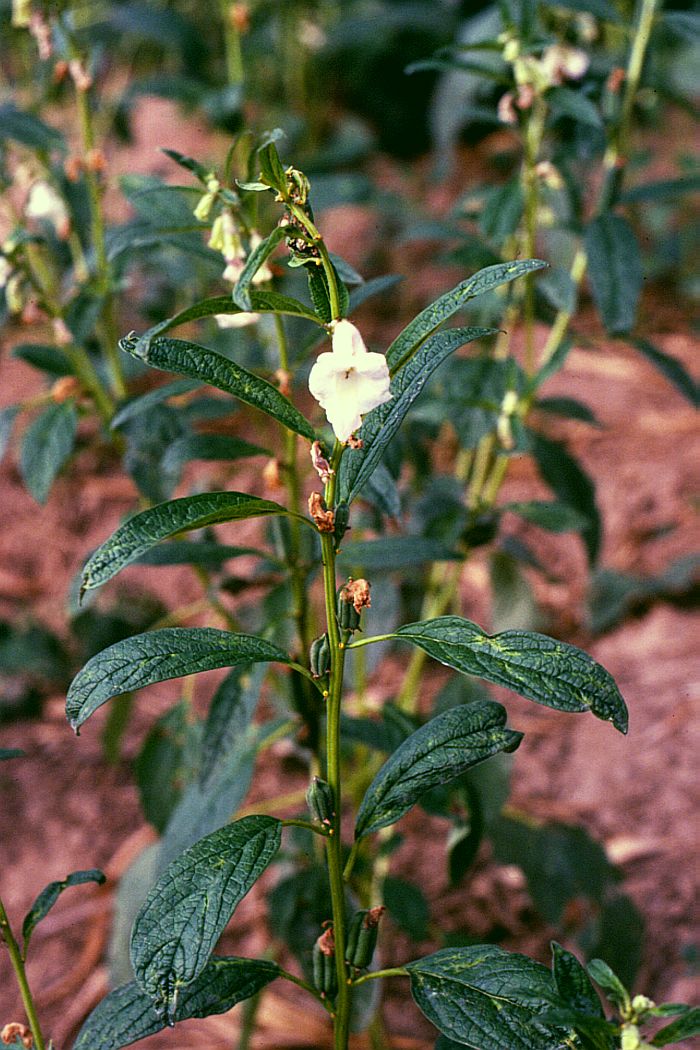
    Researchers explored otorrhea, known as Karna Srava in Ayurveda, from an integrative perspective that combines traditional and modern knowledge. Otorrhea is characterized by abnormal ear discharge, which can be caused by infections, allergies, or other conditions. The study highlights the importance of understanding underlying factors, such as the imbalance of the doshas, especially Kapha, which can lead to excessive mucus production. Additionally, therapeutic approaches were discussed, including the use of Ayurvedic herbs, such as the use of sesame oil (Sesamum indicum) for ear instillation, which can help relieve inflammation and promote auditory health. The research also suggests that combining Ayurvedic practices with modern interventions may offer a more effective and holistic treatment for otorrhea. Study limitations include the need for more clinical data and the evaluation of different therapeutic approaches in diverse populations.