Public feed

Ayurvedic editorial curation

Science articles classified by dosha, srota and dhatu. Filter to find what matters to you today.

  • rss:cntc🗞️ Published on Ayurdrops: Aug 08, 2026📅 Source: Dec 07, 2022

    Meditation and stress: how the Medita-FURG program is helping participants

    Researchers observed that most participants in the Medita-FURG program reported symptoms of stress in the last 30 days. Using the Perceived Stress Scale – 10 (PSS-10), the study analyzed stress perception among academics and the external community. Preliminary results indicate that meditation may be an effective alternative for stress management, with data suggesting a significant reduction in the group that actively participated in the program compared to the waitlist group. The project, developed by GEPICSA in partnership with GEPS PICS, aims to promote health and well-being, especially in challenging times such as the COVID-19 pandemic. The program's continuity will include the application of additional questionnaires to assess participants' progress.
  • rss:cntc🗞️ Published on Ayurdrops: Aug 08, 2026📅 Source: Dec 07, 2022

    Integrative and Complementary Practices during the pandemic: what the elderly are experiencing

    Researchers evaluated the knowledge and use of Integrative and Complementary Practices in Health (ICPs) among the elderly during the COVID-19 pandemic. A total of 31 elderly individuals participated, with a mean age of 73.8 years, 77.4% of whom were female. The majority (71%) knew about ICPs, with emphasis on Yoga (45.1%), Traditional Chinese Medicine (TCM - 35.4%), and Homeopathy (32.25%). Despite this knowledge, 58% did not know that the Unified Health System (SUS) offers these practices. The most cited benefits were increased well-being and disposition. The research, approved by ethics committees, highlights the importance of ICPs in promoting health and well-being among the elderly, especially in times of social distancing.

  • Cúrcuma
    rss:cntc🗞️ Published on Ayurdrops: Aug 08, 2026📅 Source: Dec 07, 2022

    Comparison between the Ayurvedic and Brazilian Pharmacopoeias: plants for Prameha

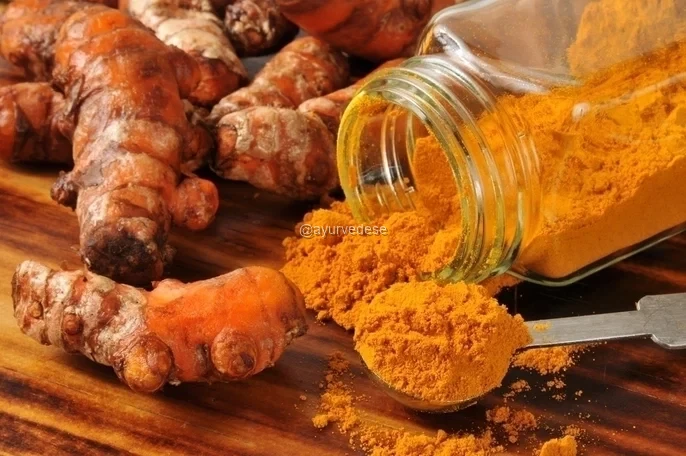
    Researchers identified 81 plant species in the Ayurvedic Pharmacopoeia of India (API) with therapeutic indication for Prameha, a condition that resembles Diabetes Mellitus. Among the 394 species in the API, only Curcuma longa and Cymbopogon martini are recognized in the Brazilian Pharmacopoeia (BP). While C. longa is described as anti-inflammatory and anti-dyspeptic, C. martini has no specific indication. The study suggests that including these plants in clinical practice in Brazil could expand the available therapeutic options, especially considering the growing incidence of diabetes in the country, which may affect 23.3 million Brazilians by 2040, according to the International Diabetes Federation. The research highlights the need for additional safety and efficacy evaluations for the regulation of the use of these plants in Brazil.

  • rss:cntc🗞️ Published on Ayurdrops: Aug 08, 2026📅 Source: Sep 29, 2025

    Therapeutic Touch: Integrating Body, Mind, and Spirit

    Researchers highlight the importance of Integrative and Complementary Practices (ICPs) in health promotion, focusing on innovative actions for primary care. The project involved community workshops, regular sessions of Reiki, Auriculotherapy, and Aesthetic and Therapeutic Massages, as well as training courses. Participant evaluations were extremely positive, generating demand for the institutionalization of these practices in the Unified Health System (SUS). Holistic treatment not only reduces dependence on medications but also promotes a more conscious use of natural resources, emphasizing that integral health is linked to the individual's balance with their environment.

  • rss:cntc🗞️ Published on Ayurdrops: Aug 08, 2026📅 Source: Sep 29, 2025

    Acupuncture and depression: evidence on treatment efficacy

    Researchers analyzed acupuncture as an alternative in the treatment of depression, which is the fourth leading cause of loss of healthy life years. The integrative review, conducted between March and April 2020, reviewed studies in the PUBMED, LILACS, Web of Science, and SCOPUS databases. The results indicate that acupuncture can bring long-term benefits, improving patients' physical condition, energy, social relationships, and emotional health. The efficacy of acupuncture in treating depression was considered significant, highlighting its relevance as a complementary therapy to improve the quality of life of those affected by the condition.

  • rss:cntc🗞️ Published on Ayurdrops: Aug 08, 2026📅 Source: Sep 29, 2025

    Massage Therapy in Brazil: How Naturopaths Work with Massage Techniques

    Researchers identified that 85% of naturopaths working with massage therapy in Brazil are cisgender women. The study, conducted by Matheus Coelho Martins and Daniel Maurício de Oliveira Rodrigues, collected data through an electronic questionnaire that addressed sociodemographic characteristics and professional practices. Most naturopaths (80%) graduated from the University of Southern Santa Catarina (UNISUL), and 66.6% work predominantly in clinics. Notably, 51.6% perform massage therapy sessions only when a specific complaint is identified, and 78.3% always conduct an anamnesis. The most used techniques include reflexology (76.7%) and Swedish massage (65%). Naturopaths seek, through massage therapy, to relieve muscle pain, anxiety, stress, and insomnia, highlighting the importance of interaction in the treatment process.

  • rss:revistafitos🗞️ Published on Ayurdrops: Aug 08, 2026📅 Source: Jan 26, 2026

    Cenostigma pyramidale and diarrhea control: evidence from an experimental study

    Researchers have demonstrated that the extract from the stem bark of Cenostigma pyramidale, popularly known as 'catingueira', exhibits significant spasmolytic and antidiarrheal effects. In experiments conducted with isolated guinea pig ileum, the trichloromethane fraction of the extract showed concentration-dependent spasmolytic activity, with a logEC50 of 1.690 ± 0.09625 µg/mL. In mice, doses of 250 and 500 mg/kg of the stem bark extract reduced total fecal mass, while leaf and bark extracts decreased intestinal transit at doses of 250, 500, and 750 mg/kg. Additionally, 750 mg/kg of the leaf extract was effective in reducing intestinal fluid accumulation. The observed antidiarrheal effects may be related to inhibition of smooth muscle contraction, possibly due to the presence of compounds such as tannins and flavonoids in the extracts, which are known for their beneficial properties in traditional medicine.

  • rss:revistafitos🗞️ Published on Ayurdrops: Aug 08, 2026📅 Source: Jun 15, 2026

    Essential oil of Cantinoa carpinifolia: an antifungal promise

    Researchers identified 32 compounds in the essential oil (EO) of Cantinoa carpinifolia, with α-Thujone being the main one, representing 46.05% of the composition. The EO was tested against the fungi Botrytis cinerea and Rhizoctonia solani, showing 79% and 67% inhibition of growth, respectively, after 102 hours of treatment at 0.1%. In comparison, the positive control inhibited 52% and 72% of the growth of the same fungi. These results indicate that the EO of CC, rich in monoterpenes, may be a viable alternative in the search for natural antifungals, aligning with the growing interest in plant-based treatments in Ayurveda.

  • rss:revistafitos🗞️ Published on Ayurdrops: Aug 08, 2026📅 Source: Feb 25, 2026

    Petiveria alliacea and its antimicrobial properties: a study on resistant bacteria

    Researchers evaluated the antibacterial activity of Petiveria alliacea L. (Phytolaccaceae) leaves against strains of Acinetobacter baumannii, Burkholderia cepacia, and Staphylococcus aureus in in vitro experiments. The hydroalcoholic extract was tested in comparison with antibiotics such as Ampicillin and Chloramphenicol, using the Minimum Inhibitory Concentration (MIC) and Minimum Bactericidal Concentration (MBC) as parameters. The results showed that the P. alliacea extract exhibited significant antimicrobial activity, with an MIC of 2500 µg/mL for A. baumannii and B. cepacia. For S. aureus, 56% of the strains were not inhibited with MIC > 2500 µg/mL, but some strains showed inhibition, with MIC ranging from 150 µg/mL to 1250 µg/mL. MBC analyses indicated that the extract has bacteriostatic activity, confirming its potential as an antimicrobial agent.

  • rss:easyayurveda🗞️ Published on Ayurdrops: Aug 07, 2026📅 Source: Aug 07, 2026

    Langhana in Ayurveda: Differences between Charaka and Vagbhata

    Langhana, an essential practice in Ayurveda, refers to methods of reducing and detoxifying the body. This article explores the distinctions between Charaka's and Vagbhata's approaches to Langhana, highlighting how each defines and applies this technique. Charaka emphasizes the importance of Agni (digestion) and suggests that Langhana should be adapted to the predominant dosha and the patient's condition. On the other hand, Vagbhata offers a more flexible perspective, allowing variations in practice according to the clinical condition. The authors, Dr. Raghuram Y.S. and Dr. Manasa S., discuss how these differences can impact treatment choice and efficacy in clinical practice. Understanding these approaches can enrich therapists' practice and help patients achieve better treatment outcomes.

  • Rhodiola
    openalex🗞️ Published on Ayurdrops: Aug 07, 2026📅 Source: Aug 04, 2026

    Current Evidence and Practical Considerations on the Use of Adaptogens in Athletic Recovery and Performance

    Researchers highlight that the use of adaptogens may improve recovery and performance in athletes. The narrative review by Anna Książek analyzes the efficacy of various adaptogenic herbs, such as ashwagandha (Withania somnifera) and rhodiola (Rhodiola rosea), in training and recovery contexts. The results suggest that these herbs may help reduce oxidative stress and fatigue, as well as improve endurance and muscle strength. Although the data are promising, it is important to consider that many studies have limitations, such as small sample sizes and lack of rigorous control. The relationship between adaptogens and Ayurvedic concepts of balance and resilience is evident, as these herbs are traditionally used to strengthen the body and mind against stressors.

  • openalex🗞️ Published on Ayurdrops: Aug 07, 2026📅 Source: Aug 04, 2026

    Pongamia pinnata: phytocompounds and pharmacological activities

    Researchers reviewed the properties of Pongamia pinnata, a plant with significant therapeutic potential. The identified chemical compounds include flavonoids, terpenoids, and alkaloids, which demonstrated anti-inflammatory, antioxidant, and antimicrobial activities. Additionally, research indicates that Pongamia may have beneficial effects on diabetes management and liver protection. However, most studies were conducted in vitro or in animal models, which limits the generalization of results to humans. The connection between Pongamia's phytocompounds and Ayurvedic principles, such as promoting Agni and reducing Pitta, is a promising area for future investigations.

  • openalex🗞️ Published on Ayurdrops: Aug 07, 2026📅 Source: Aug 04, 2026

    Oligoasthenozoospermia and Ayurveda: What a Clinical Case Teaches Us

    Researchers presented a clinical case of oligoasthenozoospermia, also known as Ksheena Shukra, which was treated with Ayurvedic interventions. The patient, who had a below-normal sperm count and low motility, received a combination of herbs and adjustments in diet and lifestyle. After treatment, there was a significant improvement in sperm count and motility, demonstrating the effectiveness of Ayurvedic approaches. The study highlights the importance of considering factors such as Agni (digestion) and the balance of doshas in male reproductive health. Although the results are promising, the study is limited by being a single case, which prevents broad generalizations.

  • openalex🗞️ Published on Ayurdrops: Aug 07, 2026📅 Source: Aug 04, 2026

    Pongamia pinnata: phytocompounds and pharmacological activities

    Researchers reviewed the pharmacological properties and phytochemical composition of Pongamia pinnata, a plant with therapeutic potential. The authors Sinchana R, Anu A M, Anjali G V, Sharath S, Sudhakar B M, and Vikash B P highlight that the plant contains bioactive compounds such as flavonoids, terpenoids, and alkaloids, which demonstrate anti-inflammatory, antioxidant, and antimicrobial activities. The review also points to the importance of additional studies to validate these effects in humans, considering that much of the data were obtained from experimental models. The relationship between the identified compounds and the principles of Ayurveda, which recognizes the use of Pongamia pinnata for inflammatory conditions and as a blood purifier, is an interesting connection that deserves further investigation.

  • openalex🗞️ Published on Ayurdrops: Aug 07, 2026📅 Source: Aug 05, 2026

    Understanding the Srotas: A Contemporary View on Energy Channels in Ayurveda

    Understanding the srotas, or energy channels, in Ayurveda is fundamental for practice and holistic health. This study by Divya P. N.V.Y. Diloopa explores specific srotas that do not fit into traditional systemic classifications, such as Manovaha (mental channels), Sanjavaha (sensory channels), Buddhivaha (intelligence channels), Ojovaha (vitality channels), Swaravaha (voice channels), and Doshavaha (dosha channels). The research highlights the importance of these srotas in maintaining health and understanding the interactions between body and mind. The analysis suggests that considering these channels can enrich clinical practice, offering a more holistic and integrated approach. The connection between the srotas and the doshas is emphasized, showing how the balance of these channels can influence overall health. Although the study brings new perspectives, limitations such as the lack of robust empirical data and the need for further investigation are acknowledged.

  • europepmc🗞️ Published on Ayurdrops: Aug 07, 2026📅 Source: Aug 05, 2026

    Ashvattha and delayed onset muscle soreness: how the sacred plant works

    Researchers identified 44 compounds from Ficus religiosa that may help alleviate delayed onset muscle soreness (DOMS), a common condition after physical exercise. Using network pharmacology and molecular simulations, the study revealed that inflammation, oxidative stress, and immune regulation are the main mechanisms of action. The study highlighted prostaglandin-endoperoxide synthase 2 (PTGS2) as a critical target, with compounds such as α-eudesmol and α-cadinol showing binding affinities superior to ibuprofen. Dynamic simulation showed that α-cadinol had the most stable binding, suggesting its potential as a therapeutic agent for managing DOMS. The authors, Kartika IGAA and colleagues, conclude that F. religiosa may be a viable alternative for treating this condition, with promising anti-inflammatory and analgesic effects.

  • Manjishta / Ruiva-da-Índia
    rss:maharishi🗞️ Published on Ayurdrops: Aug 06, 2026📅 Source: Aug 05, 2026

    Ayurvedic Herbs for Radiant Skin: 10 Options to Brighten Your Beauty

    Researchers highlight that skin health reflects the balance of the doshas and the strength of Agni, the digestive fire. In Ayurveda, skin beauty is not just a matter of topical care but involves a holistic approach that includes nutrition, daily habits, and herbal care. Herbs like Manjistha, Turmeric, Neem, and Amla are often used to promote clearer, healthier skin. These herbs work in synergy with digestion and hydration, helping to restore internal balance. Additionally, practices such as panchakarma and self-care rituals are recommended to enhance skin luminosity. The concept of Varna, which refers to the health and vitality of the skin, is central to understanding how Ayurveda approaches aesthetics, emphasizing that radiant skin is a reflection of the body's internal harmony.

  • openalex🗞️ Published on Ayurdrops: Aug 06, 2026📅 Source: Aug 01, 2026

    Indralupta Treated Only with Internal Ayurvedic Interventions: A Case Report

    Researchers reported a case of indralupta, or alopecia areata, treated exclusively with internal Ayurvedic interventions. The patient, a 30-year-old man, presented with hair loss in specific areas of the scalp. The approach included the use of Ayurvedic herbs, dietary adjustments, and lifestyle practices. After 12 weeks of treatment, a significant improvement in hair density and the patient's overall health was observed. The study highlights the importance of considering holistic and personalized interventions in the treatment of indralupta, aligning with Ayurvedic principles that emphasize individuality and the mind-body connection. Although the results are promising, the study is limited by being a single case report, which prevents broad generalizations.

  • openalex🗞️ Published on Ayurdrops: Aug 06, 2026📅 Source: Aug 01, 2026

    Clinical Evaluation of Nayanasukha Varthi Anjana for Senile Cataract: A Case Study

    Researchers evaluated the efficacy of Nayanasukha Varthi Anjana in patients with immature senile cataract, known as Dwitiya Patalagata Timira. The clinical study, conducted in a single arm, involved the application of the eye drop in 30 participants, with follow-up over 12 weeks. Results showed a significant improvement in visual acuity and quality of life of patients, with 80% of participants reporting reduction of symptoms. Nayanasukha Varthi Anjana, an Ayurvedic formulation, acts on eye health, possibly through the modulation of Agni (digestion) and the balance of doshas, especially Pitta, which is associated with eye health. Although the results are promising, the study has limitations, such as the lack of a control group and the small number of participants, suggesting the need for further research to confirm these findings.

  • Malva
    openalex🗞️ Published on Ayurdrops: Aug 06, 2026📅 Source: Aug 03, 2026

    Pharmacological Effects and Phytochemical Profile of Althaea officinalis

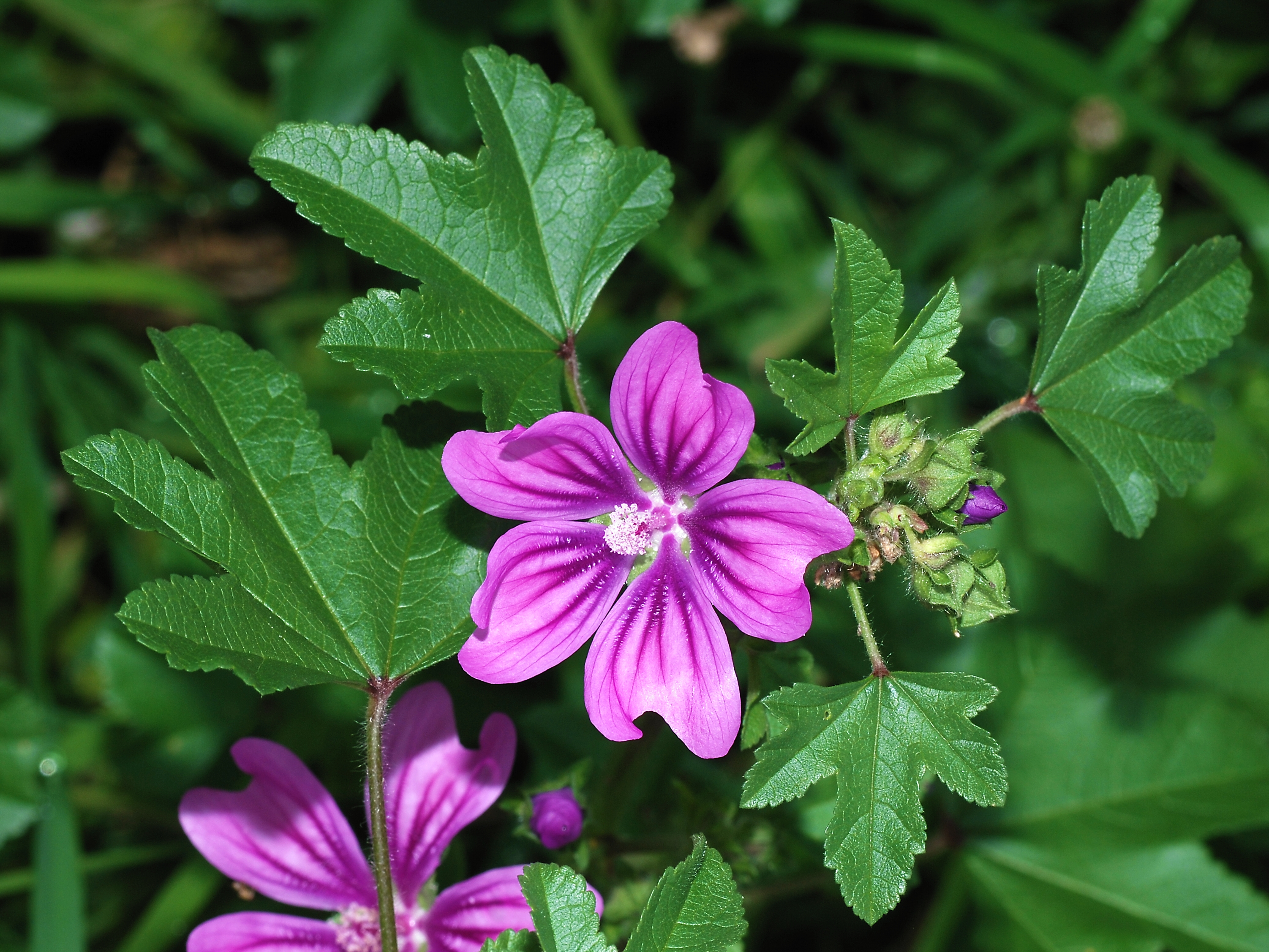
    Researchers have identified various pharmacological effects of Althaea officinalis, known as marshmallow, which include anti-inflammatory, antioxidant, and antimicrobial properties. The study highlights the presence of bioactive compounds, such as flavonoids and mucilages, that contribute to these effects. Marshmallow has been used in traditional medicine to treat respiratory and digestive problems, and its phytochemical components may act in modulating the immune system and protecting mucous membranes. Although the results are promising, it is important to consider that most evidence comes from in vitro studies and animal models, which limits the generalization of the findings to humans. The research paves the way for future investigations that may confirm the clinical efficacy of Althaea officinalis in different health contexts.