Public feed

Ayurvedic editorial curation

Science articles classified by dosha, srota and dhatu. Filter to find what matters to you today.

  • openalex🗞️ Published on Ayurdrops: Aug 09, 2026📅 Source: Aug 07, 2026

    Clinical evidence on Ayurveda in the treatment of ADHD in children and adolescents

    Researchers reviewed the literature on the treatment of Attention Deficit Hyperactivity Disorder (ADHD) through Ayurveda, focusing on children and adolescents. The systematic review included studies that evaluated Ayurvedic interventions, such as the use of herbs and lifestyle practices. The authors, W. A. S. S. Weerakoon and H. P. B. R. Weerasinghe, highlighted that some interventions showed significant improvements in ADHD symptoms, such as hyperactivity and inattention. However, most studies had limitations, such as small sample sizes and lack of control groups. The results suggest that Ayurveda may offer complementary approaches for managing ADHD, but more research is needed to establish clear protocols and robust evidence.
  • openalex🗞️ Published on Ayurdrops: Aug 08, 2026📅 Source: Aug 05, 2026

    Ashwagandha and Its Bioactive Compounds: What Metabolomics Reveals About Their Therapeutic Roles

    Researchers have identified a variety of bioactive compounds in Ashwagandha (Withania somnifera) that are directly linked to its therapeutic effects. The study, led by Gaurav Tripathi and colleagues, used metabolomics techniques to map these compounds and their functions. Among the main findings, the presence of alkaloids and steroidal lactones stands out, which demonstrated potential to modulate oxidative stress and inflammation. These mechanisms are relevant for conditions such as anxiety and fatigue, often addressed in Ayurvedic practice. The research also suggests that the combination of different compounds may potentiate the herb's therapeutic effects, aligning with the Ayurvedic concept of synergy among ingredients. However, it is important to note that the study was based on laboratory models, which limits the generalization of results to clinical practice.

  • openalex🗞️ Published on Ayurdrops: Aug 08, 2026📅 Source: Aug 05, 2026

    Ayurvedic Reversal of Chronic Palmar Dermatitis (Vicharchika) in an Elderly Post-CABG Patient: A Case Report

    Researchers reported the reversal of chronic palmar dermatitis (vicharchika) in an elderly patient who had undergone coronary artery bypass grafting (CABG). The Ayurvedic treatment included the use of specific herbs and therapies such as oleation and medicated baths. After 12 weeks of intervention, the patient showed significant improvement in skin condition, with reduced inflammation and relief of symptoms. This case highlights the efficacy of Ayurveda in managing chronic dermatological conditions, especially in patients with comorbidities. Ayurveda's holistic approach, which considers factors such as diet, lifestyle, and dosha balance, may be crucial for recovery and maintenance of skin health.

  • Acariçoba
    openalex🗞️ Published on Ayurdrops: Aug 08, 2026📅 Source: Aug 06, 2026

    Brahmi Vati and Memory: What a Water Maze Study Reveals to Us

    Researchers investigated the effects of Brahmi Vati on learning and memory using the Morris water maze model. The study, conducted by Shahistaheena and colleagues, demonstrated that administration of Brahmi Vati resulted in significant improvements in the navigation and memorization abilities of the tested animals. The results indicate that the herb may have a neuroprotective role, possibly due to its ability to modulate neurotransmitters and reduce oxidative stress in the brain. Although the data are promising, it is important to consider that the study was conducted in an animal model, which limits the generalization of the results to humans. Further research is needed to understand the exact mechanisms and clinical applicability of Brahmi Vati in improving cognitive function.

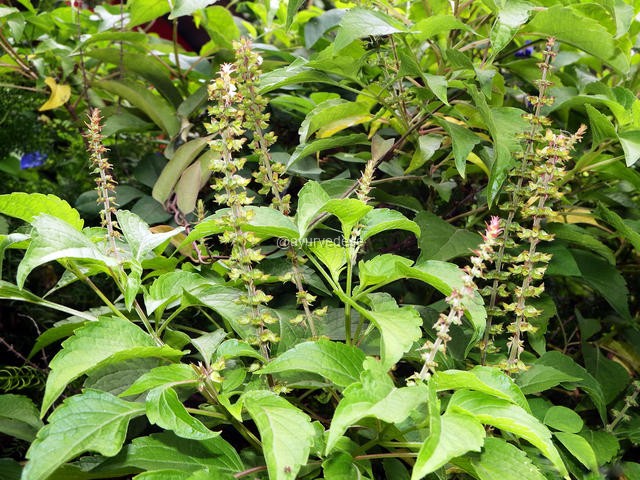
  • Alfavaca
    openalex🗞️ Published on Ayurdrops: Aug 08, 2026📅 Source: Aug 06, 2026

    Neelitulasyadi Agada: A Critical Review of a Classical Formulation for Luta visha

    Luta visha, or poisoning by toxic substances, is a challenging condition in Ayurveda, and Neelitulasyadi Agada is a classical formulation aimed at treating such cases. Researchers critically analyzed this formulation, highlighting its ingredients and mechanisms of action. Neelitulasyadi Agada is composed of herbs with detoxifying and anti-inflammatory properties, essential for the treatment of poisonings. The review suggests that the combination of ingredients, such as Neelotpal (Nymphaea caerulea) and Tulasi (Ocimum sanctum), may act synergistically to neutralize toxins and restore balance in the body. Although the research provides valuable insights into the efficacy of the formulation, limitations such as the lack of robust clinical studies and the need for more scientific evidence are mentioned. This critical analysis is an important step toward integrating traditional knowledge with modern research, promoting a deeper understanding of Ayurvedic practices.

  • openalex🗞️ Published on Ayurdrops: Aug 08, 2026📅 Source: Aug 06, 2026

    Neembadi bidalaka in the treatment of blepharitis: a case study

    Researchers presented a case study exploring the efficacy of Neembadi bidalaka, an Ayurvedic preparation, in the treatment of blepharitis, known as Krimigranthi. Blepharitis is an inflammatory condition affecting the eyelids, causing discomfort and irritation. In the studied case, the patient presented symptoms such as redness, itching, and discharge from the eyelids. After the application of Neembadi bidalaka, a significant improvement in symptoms was observed, with reduced inflammation and relief from discomfort. The authors, Shubhangi Kale and Sachin Bhagwat, highlight that the combination of ingredients in Neembadi bidalaka may have anti-inflammatory and antimicrobial properties, which are essential in managing blepharitis. This study suggests that Ayurvedic approaches may offer effective alternatives for ophthalmic conditions, although further research is needed to validate these findings in larger populations and with different clinical profiles.

  • openalex🗞️ Published on Ayurdrops: Aug 08, 2026📅 Source: Aug 06, 2026

    Caregivers of People with Alcohol Use Disorders: How Psychological Capital and Well-Being Connect with Ayurveda

    Researchers explored the relationship between psychological capital and well-being among caregivers of individuals with alcohol use disorders, incorporating Ayurvedic perspectives. The study, which used mixed methods, revealed that caregivers with higher psychological capital showed higher levels of psychological well-being. The research highlighted the importance of factors such as resilience and optimism, which align with Ayurvedic concepts of mental health and emotional balance. Additionally, the authors suggest that Ayurvedic practices, such as meditation and yoga, may be beneficial for these caregivers, promoting a healthier mental state. The sample included caregivers of various ages and contexts, and the results indicate that emotional support and self-compassion are fundamental to well-being. Study limitations include the sample size and the need for further research to validate the findings in different cultural contexts.

  • openalex🗞️ Published on Ayurdrops: Aug 08, 2026📅 Source: Aug 06, 2026

    WeHerbal – Honest Ayurveda: Natural Guide to Skin and Hair Care

    The WeHerbal guide presents an honest and natural approach to skin and hair care, grounded in the principles of Ayurveda. With the growing demand for beauty products that respect health and nature, this guide stands out by offering information on Ayurvedic ingredients and their beneficial properties. The proposal is to promote beauty sustainably, using herbs and traditional practices that have been valued over the centuries. The authors emphasize the importance of choosing products that not only beautify but also nourish and protect the skin and hair, aligning with the Ayurvedic philosophy of balance and harmony. The guide is a useful tool for both professionals in the field and consumers seeking healthy and effective alternatives.

  • openalex🗞️ Published on Ayurdrops: Aug 08, 2026📅 Source: Aug 06, 2026

    Hemodynamic and Biochemical Changes with Sarvanga Swedana: What Full-Body Sweating Reveals

    Researchers observed significant changes in hemodynamics and hematological and biochemical parameters after the practice of Sarvanga Swedana, a full-body sweating technique. The study, conducted by Nirmal Bhusal and colleagues, analyzed how this Ayurvedic approach affects the body. The results showed that sweating promoted a reduction in blood pressure and improved blood circulation, as well as positively influencing blood glucose and lipid levels. These changes may be attributed to increased body temperature and dilation of blood vessels, which facilitate circulation and elimination of toxins. Although the findings are promising, it is important to consider that the study was conducted with a limited number of participants, which may restrict the generalizability of the results. The connection between Ayurvedic practices and the effects observed in modern health is a field that deserves more attention.

  • openalex🗞️ Published on Ayurdrops: Aug 08, 2026📅 Source: Aug 06, 2026

    Daivavyapashraya Chikitsa: a divine approach in Ayurveda

    Daivavyapashraya Chikitsa, one of the therapeutic modalities of Ayurveda, emphasizes the importance of spiritual connection and faith in the healing process. Researchers such as Sachin Bagali and collaborators highlight that this approach considers not only the physical aspects of disease but also the emotional and spiritual factors that can influence health. The practice involves rituals, mantras, and the invocation of deities, which are seen as essential for restoring balance and health. The research suggests that Daivavyapashraya may be particularly effective in conditions where emotional stress and lack of purpose are present, promoting a state of integral well-being. Although scientific evidence on the efficacy of this approach is still limited, the authors argue that integrating spiritual practices into treatment can offer valuable support for patients seeking holistic healing. The connection between spirituality and health is a topic that deserves more attention in contemporary research.

  • openalex🗞️ Published on Ayurdrops: Aug 08, 2026📅 Source: Aug 06, 2026

    Ksharakalpana: A Comprehensive Review with a Focus on Kadalikanda Kshara

    Ksharakalpana is a form of medicinal preparation in Ayurveda that utilizes alkaline ashes, with Kadalikanda Kshara being one of its variants. Researchers such as Kashinath Hadimur and colleagues have reviewed the literature on Ksharakalpana, highlighting its therapeutic properties and clinical applications. The study emphasizes the importance of Kadalikanda Kshara, which is derived from the plant Kadalikanda (Canna indica), recognized for its anti-inflammatory and wound-healing properties. The authors discuss the preparation methods, chemical composition, and physiological effects of alkaline ashes, which may act on the balance of the doshas, especially in conditions of excess Kapha. Furthermore, the review addresses the need for more clinical studies to validate the therapeutic applications of Ksharakalpana, considering the limitations of existing research, such as the lack of randomized controlled trials. This review is an invitation to explore the potential of Kshara-based preparations in clinical practice.

  • openalex🗞️ Published on Ayurdrops: Aug 08, 2026📅 Source: Aug 06, 2026

    Daivavyapashraya Chikitsa: a divine approach in Ayurveda

    Researchers explored Daivavyapashraya Chikitsa, a therapeutic modality that integrates spiritual and physical aspects in Ayurveda. This approach is based on the belief that health is influenced by divine and spiritual factors, and involves practices such as rituals, mantras, and meditation. The study highlights the importance of considering the spiritual dimension in the treatment of diseases, suggesting that connection with the divine can promote healing and well-being. Although Daivavyapashraya Chikitsa has deep roots in the Ayurvedic tradition, current research seeks to validate its efficacy through scientific methods. The authors, including Sachin Bagali and K. A. Patil, emphasize that the integration of spiritual practices can be a valuable complement to conventional treatments, especially in cases where allopathic medicine is not sufficient. However, research is still incipient and requires further studies to establish robust evidence on its efficacy.

  • openalex🗞️ Published on Ayurdrops: Aug 08, 2026📅 Source: Aug 06, 2026

    Neelitulasyadi Agada: A Critical Review of a Classical Formulation for Luta visha

    Researchers analyzed the classical formulation Neelitulasyadi Agada, indicated for Luta visha, a condition associated with poisoning. The study, conducted by Nataraj H. R. Shakthi Rani S. N., reviews the principles of Agada Tantra, which is the part of Ayurveda dedicated to the treatment of poisonings. The formulation is composed of several herbs that act synergistically to detoxify the body and restore balance. The review highlights the importance of understanding the mechanisms of action of the herbs, such as their ability to neutralize toxins and support liver function. Although the research brings to light the relevance of Neelitulasyadi Agada, limitations such as the lack of controlled clinical studies and the need for more scientific evidence are mentioned. The connection between Ayurvedic concepts and modern findings is evident, suggesting that ancient wisdom can complement contemporary medicine in the treatment of poisonings.

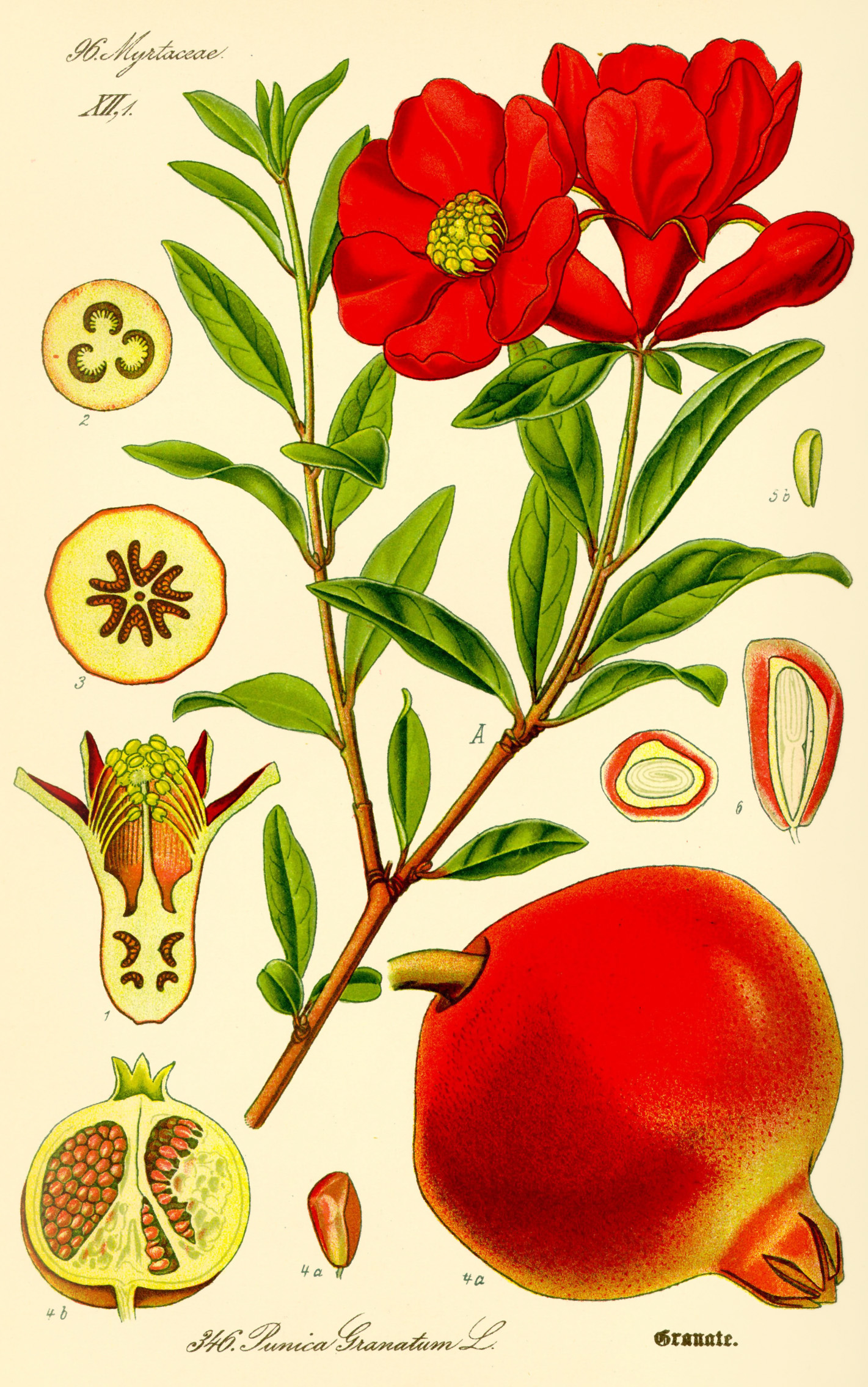
  • Dāḍima / Romã
    openalex🗞️ Published on Ayurdrops: Aug 08, 2026📅 Source: Aug 06, 2026

    Ayurvedic Fruit Peel Formulation to Alleviate Diabetic Neuropathy: A Study in Rats

    Researchers have demonstrated that a polyherbal formulation made from fruit peels such as custard apple (Annona squamosa), apple (Malus domestica), guava (Psidium guajava), and pomegranate (Punica granatum) can alleviate streptozotocin-induced diabetic neuropathy in rats. The study, conducted by Ranjan Kumar Singh and Komal Sharma, reveals that the combination of these fruits not only improved nerve function but also reduced inflammatory markers and oxidative stress, which are critical factors in diabetic neuropathy. The authors suggest that the bioactive compounds present in the peels of these fruits may act synergistically, promoting nerve health and offering a potential alternative for managing diabetic neuropathy. Although the results are promising, it is important to consider that the study was conducted in an animal model, which limits the generalization of the findings to humans.

  • Acariçoba
    openalex🗞️ Published on Ayurdrops: Aug 08, 2026📅 Source: Aug 06, 2026

    Brahmi Vati and Memory: What a Water Maze Study Reveals to Us

    Researchers investigated the effects of Brahmi Vati on learning and memory using the Morris water maze model. The study, conducted by Shahistaheena and colleagues, demonstrated that administration of Brahmi Vati resulted in significant improvements in the performance of rats in spatial memory tests. The results suggest that the compounds present in Brahmi Vati may act on neuroprotective mechanisms, possibly influencing synaptic plasticity and cognitive function. Although the data are promising, it is important to note that the study was conducted in an animal model, which limits the generalization of the results to humans. The research highlights the relevance of Brahmi Vati, a traditional Ayurvedic formulation, in promoting cognitive health.

  • openalex🗞️ Published on Ayurdrops: Aug 08, 2026📅 Source: Aug 07, 2026

    Rasapachak Vati: characterization and quality control of an Ayurvedic medicine

    Researchers analyzed the composition and quality of Rasapachak Vati, a traditional Ayurvedic medicine. The study, conducted by Varun Gupta and Dnyanesh Joshi, used pharmacological and analytical methods to evaluate the purity and efficacy of the product. The results showed that Rasapachak Vati has a composition rich in minerals and herbs, with properties that may support digestion and metabolism. The analysis revealed the presence of essential elements, in addition to ensuring that the product meets the required quality standards. The research highlights the importance of quality control in Ayurvedic medicines, especially in a context where standardization is fundamental for safety and efficacy. Limitations of the study include the need for further clinical investigations to validate the findings in human populations.

  • Śuddha Gandhaka / Enxofre Purificado
    rss:cntc🗞️ Published on Ayurdrops: Aug 08, 2026📅 Source: Dec 07, 2022

    Thermal waters of Ibirá and psoriasis: a look at mineral therapy

    Researchers evaluated the efficacy of the thermal waters of Ibirá, SP, in 28 patients diagnosed with psoriasis. Participants underwent daily 20-minute baths in water at 37°C and were instructed to ingest this water for 21 days. Results showed that 68% of patients had improvement in lesions, with three of them achieving complete disappearance. Improvements included reduction in the number of lesions, erythema, infiltration, and scaling. Psoriasis, a chronic and autoimmune condition, significantly impacts the quality of life of those affected. Although the findings are promising, the authors highlight the need for further studies to validate medicinal crenotherapy and its specific indications.

  • rss:cntc🗞️ Published on Ayurdrops: Aug 08, 2026📅 Source: Dec 07, 2022

    Lavender and anxiety relief: what essential oil inhalation can do

    Researchers have identified that inhalation of lavender essential oil (Lavandula angustifolia) can reduce anxiety levels in various situations, such as before surgical procedures and in patients undergoing chemotherapy. The review analyzed 11 clinical trials and 2 systematic reviews, totaling 73 articles, of which 59 were excluded for not meeting the criteria. The studies showed that applying two drops of the oil to gauze, with inhalation ranging from 5 to 20 minutes, was effective. Lavender's calming effects are attributed to its sedative and tranquilizing properties, which promote relaxation and well-being. This non-invasive, low-cost approach may be a viable alternative for managing anxiety, especially in contexts of acute stress.

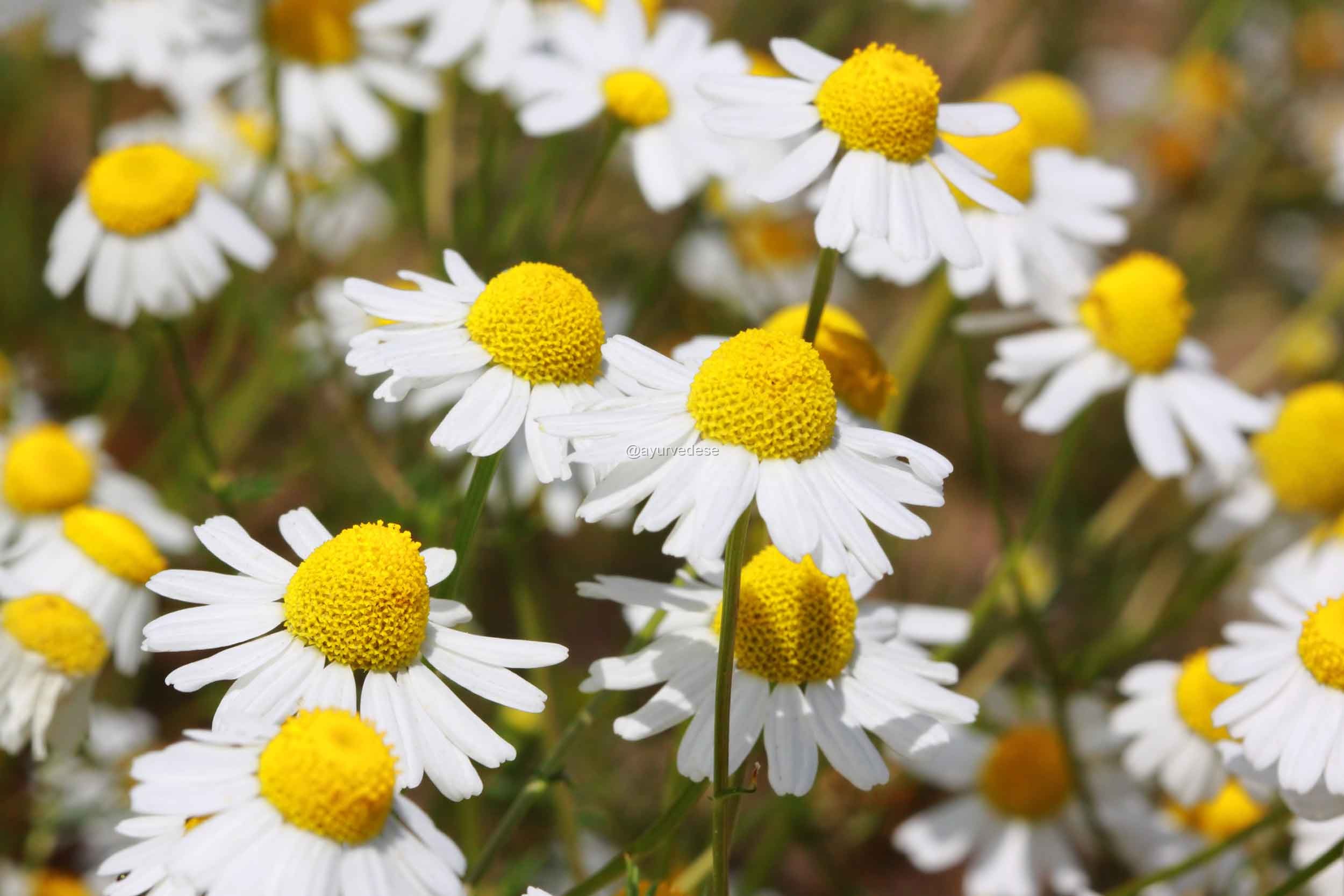
  • Camomila
    rss:cntc🗞️ Published on Ayurdrops: Aug 08, 2026📅 Source: Dec 07, 2022

    Aromatherapy in cancer treatment: evidence and benefits

    Researchers have identified that aromatherapy can help alleviate common symptoms in oncology patients undergoing chemotherapy. The literature review analyzed 24 articles, of which 4 were selected, showing that essential oils such as lavender, chamomile, and peppermint improved sleep quality and reduced nausea and vomiting. Ginger oil also stood out for increasing caloric intake after chemotherapy sessions. Additionally, the combination of peppermint, chamomile, and rosemary was effective in reducing peripheral neuropathy caused by certain chemotherapeutic agents. Although the results are promising, the authors emphasize the need for further research to deepen the understanding of aromatherapy's application in oncology patient care.

  • rss:cntc🗞️ Published on Ayurdrops: Aug 08, 2026📅 Source: Dec 07, 2022

    Integrative practices in primary care during the pandemic: what was observed

    Researchers identified that Integrative and Complementary Practices (ICPs) were widely used by health professionals during the SARS-CoV-2 pandemic, focusing on promoting self-care and improving mental health. The literature review revealed that practices such as yoga and meditation were the most cited, contributing to the reduction of anxiety and insomnia. The research, conducted by P. G. Farnocchi and R. Y. D. Carretta, analyzed articles available in databases, seeking to understand how ICPs are being applied in Primary Care (PC) and what results are being observed. Although most practices were directed at health professionals, the research also seeks to explore the availability of these practices for the general population. The methodology used was quantitative and descriptive, with emphasis on the analysis of secondary sources.