Public feed

Ayurvedic editorial curation

Science articles classified by dosha, srota and dhatu. Filter to find what matters to you today.

  • Cúrcuma
    pubmed🗞️ Published on Ayurdrops: Aug 11, 2026📅 Source: Aug 10, 2026

    Ethnopharmacological Perspectives of Ayurveda and Siddha in Cancer: Phytocompounds, Bhasma Nanomedicine, and Integrative Mechanisms

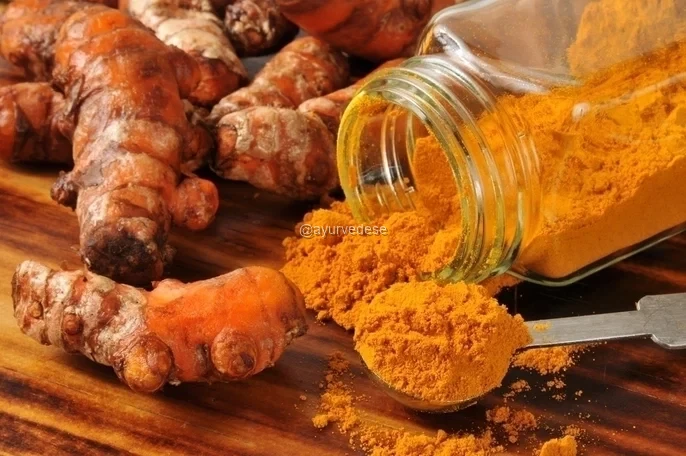
    Researchers highlight the relevance of Ayurveda and Siddha medicine in cancer treatment, emphasizing the use of phytocompounds and bhasma nanomedicine. The study reviews how these traditional systems utilize natural substances to enhance the efficacy of oncological treatments, promoting cellular integrity and modulating immune responses. Phytocompounds such as curcumin and resveratrol demonstrate anticancer properties, while bhasma nanomedicine, which involves the use of metals and minerals in nanometric forms, can improve bioavailability and targeted drug delivery. The research suggests that combining Ayurvedic and modern approaches may offer new strategies for cancer management, although most data still require more robust clinical validation.
  • Ashwagandha / Ginseng Indiano
    openalex🗞️ Published on Ayurdrops: Aug 11, 2026📅 Source: Aug 08, 2026

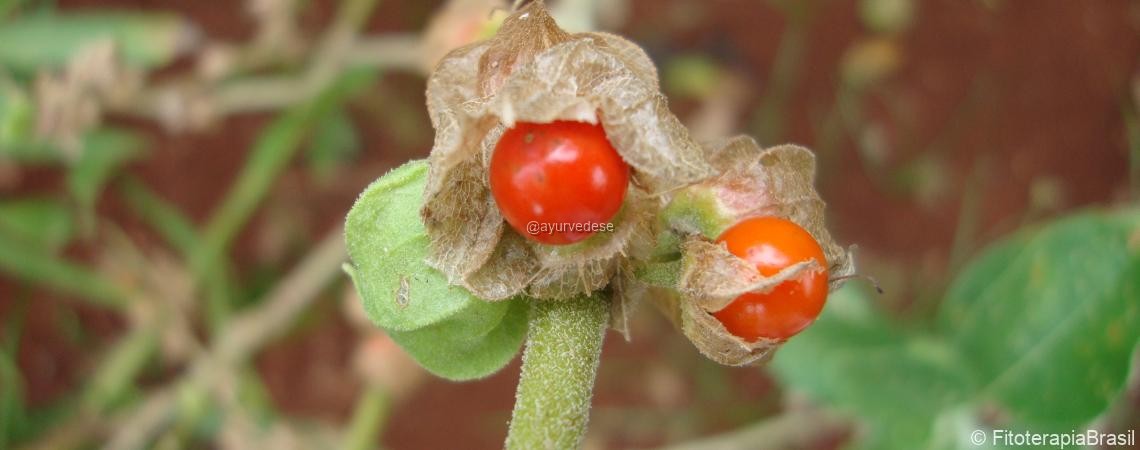
    Withania somnifera Compounds and Ovarian Health: Protection and Therapy in an Ovarian Dysfunction Model

    Researchers have demonstrated that Withania somnifera (ashwagandha) may have a protective and therapeutic role in cases of ovarian dysfunction induced by cyclophosphamide in rats. The study, conducted by Aliaa Makkawy M. Saleh and colleagues, revealed that administration of ashwagandha extract improved ovarian parameters, such as follicle count and hormonal levels, which were impaired by cyclophosphamide treatment, a chemotherapeutic agent known to cause ovarian toxicity. The results suggest that ashwagandha may act in modulating oxidative stress and preserving ovarian function, possibly through its antioxidant action. Although the findings are promising, it is important to note that the study was conducted in an animal model, which limits the generalization of the results to humans. Further research is needed to fully understand the mechanisms involved and the clinical applicability in humans.

  • openalex🗞️ Published on Ayurdrops: Aug 11, 2026📅 Source: Aug 09, 2026

    Recent Advances in Shalya Tantra: An Ayurvedic Perspective

    Recent advances in Shalya Tantra, the branch of Ayurveda dealing with surgery and invasive interventions, have shown significant potential in clinical practice. Dr. Rajesh Maharatha and Nitin Urmaliya discuss how Ayurvedic surgical techniques are being integrated with modern practices, promoting more effective and safer outcomes. The research highlights the importance of traditional methods, such as the use of herbs and purification practices, which can enhance postoperative recovery. Furthermore, the combination of ancient knowledge with new technologies is enabling a more holistic and personalized approach to treating complex conditions. These advances not only reaffirm the relevance of Shalya Tantra in contemporary medicine but also pave the way for greater acceptance and application of Ayurveda in Western clinical settings.

  • openalex🗞️ Published on Ayurdrops: Aug 11, 2026📅 Source: Aug 09, 2026

    Postnatal Care in Ayurveda: Sutika Paricharya

    Postnatal care, known as Sutika Paricharya, is a fundamental practice in Ayurveda aimed at the recovery of the woman after childbirth. This protocol encompasses various recommendations, including diet, rest, and hygiene practices, which are essential for the health of the mother and the newborn. The Ayurvedic approach considers the individuality of the woman, taking into account her dosha and the condition of Agni (digestion) after childbirth. Researchers highlight that the proper implementation of these practices can reduce postpartum complications and promote a better overall health state. Additionally, attention to the emotional and physical balance of the mother is emphasized, recognizing the importance of social and family support during this period. The study by Shewale Dr. Shalini Bhujangrao, published in 2026, brings to light the relevance of Sutika Paricharya in contemporary practice, suggesting that the adoption of these practices can be beneficial for the health of the woman and the baby.

  • openalex🗞️ Published on Ayurdrops: Aug 11, 2026📅 Source: Aug 09, 2026

    Postnatal Care in Ayurveda: Sutika Paricharya

    Postnatal care, known as Sutika Paricharya, is an essential practice in Ayurveda aimed at promoting the recovery of women after childbirth. Researchers highlight the importance of specific interventions during this period, which may include adequate nutrition, hygiene practices, and emotional support. Ayurveda recommends a holistic approach, considering not only physical health but also the mental and emotional well-being of the mother. The implementation of daily rituals and the use of specific herbs are fundamental to restoring the balance of the doshas and strengthening the woman's body. This care is especially relevant because the postpartum period is a vulnerable time when women may face challenges such as fatigue, hormonal changes, and stress. The practice of Sutika Paricharya can help minimize these effects and promote a healthy recovery.

  • openalex🗞️ Published on Ayurdrops: Aug 11, 2026📅 Source: Aug 09, 2026

    Neuroprotective Effects of Personalized Ayurvedic Therapy: A Clinical Study on Cognitive Functions and Inflammatory Biomarkers

    Researchers evaluated the effects of personalized Ayurvedic therapy on patients with early neurodegenerative disorders. The study, conducted by Dr. Ritesh Kumar and colleagues, focused on cognitive function, brain connectivity, and inflammatory biomarkers. Results showed significant improvements in cognitive function and brain connectivity, as well as a reduction in inflammatory marker levels. The integrative therapy included dietary, herbal, and meditation practices, aligned with Ayurvedic principles. This study highlights the importance of personalized approaches in treating neurodegenerative diseases, suggesting that traditional medicine can offer complementary benefits to conventional medicine. However, limitations such as sample size and the need for further controlled studies were noted.

  • openalex🗞️ Published on Ayurdrops: Aug 10, 2026📅 Source: Aug 06, 2026

    Herbal Paint for Skin Infections: Formulation and Evaluation

    Researchers developed a herbal paint to treat topical infections, using a combination of herbs with antimicrobial properties. The formulation was tested in the laboratory, showing efficacy against various bacterial strains. Among the ingredients, herbs known in traditional medicine stand out, which act in promoting healing and reducing inflammation. The study, conducted by Ankit D. Nagpure and collaborators, emphasizes the importance of natural alternatives for the treatment of skin infections, especially in a context where antibiotic resistance is increasing. Although the results are promising, the study highlights the need for further clinical investigations to validate the safety and efficacy of the herbal paint in humans.

  • openalex🗞️ Published on Ayurdrops: Aug 10, 2026📅 Source: Aug 08, 2026

    Trijata gutika and the treatment of cough: a case series study on bronchitis

    Researchers evaluated the efficacy of Trijata gutika, an Ayurvedic formulation, in the treatment of Kasa, which refers to cough, with a special focus on bronchitis. The study included a case series, where the effects of Trijata gutika were observed in patients diagnosed with bronchitis. The results showed significant improvement in respiratory symptoms and quality of life of the patients. The formulation appears to act by reducing airway inflammation and promoting expectoration, which is consistent with Ayurvedic principles that emphasize the importance of balancing the Kapha dosha, often associated with respiratory conditions. This study highlights the relevance of integrative approaches in the management of respiratory diseases, suggesting that Trijata gutika may be a viable option for the treatment of bronchitis.

  • openalex🗞️ Published on Ayurdrops: Aug 10, 2026📅 Source: Aug 08, 2026

    How Ayurveda Can Help with a Hemorrhagic Ovarian Cyst: A Case Study

    Researchers presented a clinical case illustrating the effectiveness of Ayurveda in treating a hemorrhagic ovarian cyst. The patient, aged 28, presented with intense abdominal pain and menstrual irregularities. After a detailed assessment, imbalances in the doshas, especially Pitta and Kapha, were identified. The treatment included a combination of herbs, such as Ashwagandha (Withania somnifera) and Shatavari (Asparagus racemosus), as well as therapies like Panchakarma and dietary adjustments. After 12 weeks of treatment, the patient reported significant pain relief and regularization of the menstrual cycle, with magnetic resonance imaging showing a reduction in the cyst. This case highlights the importance of a holistic and individualized approach in Ayurveda, which considers both physical and emotional aspects of health.

  • Cúrcuma
    openalex🗞️ Published on Ayurdrops: Aug 10, 2026📅 Source: Aug 08, 2026

    Ayurvedic formulations to accelerate surgical wound healing: a clinical study

    Researchers have shown that Ayurvedic formulations can accelerate the healing of surgical wounds and improve scar quality. The study, conducted by Dr. Ritesh Kumar and colleagues, involved patients undergoing surgeries who received treatments with specific herbs. The results showed a significant reduction in healing time and an improvement in scar appearance compared to the control group. The formulations used included herbs known for their anti-inflammatory and regenerative properties, aligning with Ayurvedic concepts of promoting Sāṃyā (balance) and Raktapitta (blood health). Although the results are promising, the study had limitations, such as the small sample size and the lack of long-term follow-up.

  • Pippali / Pimenta Longa Indiana
    openalex🗞️ Published on Ayurdrops: Aug 10, 2026📅 Source: Aug 08, 2026

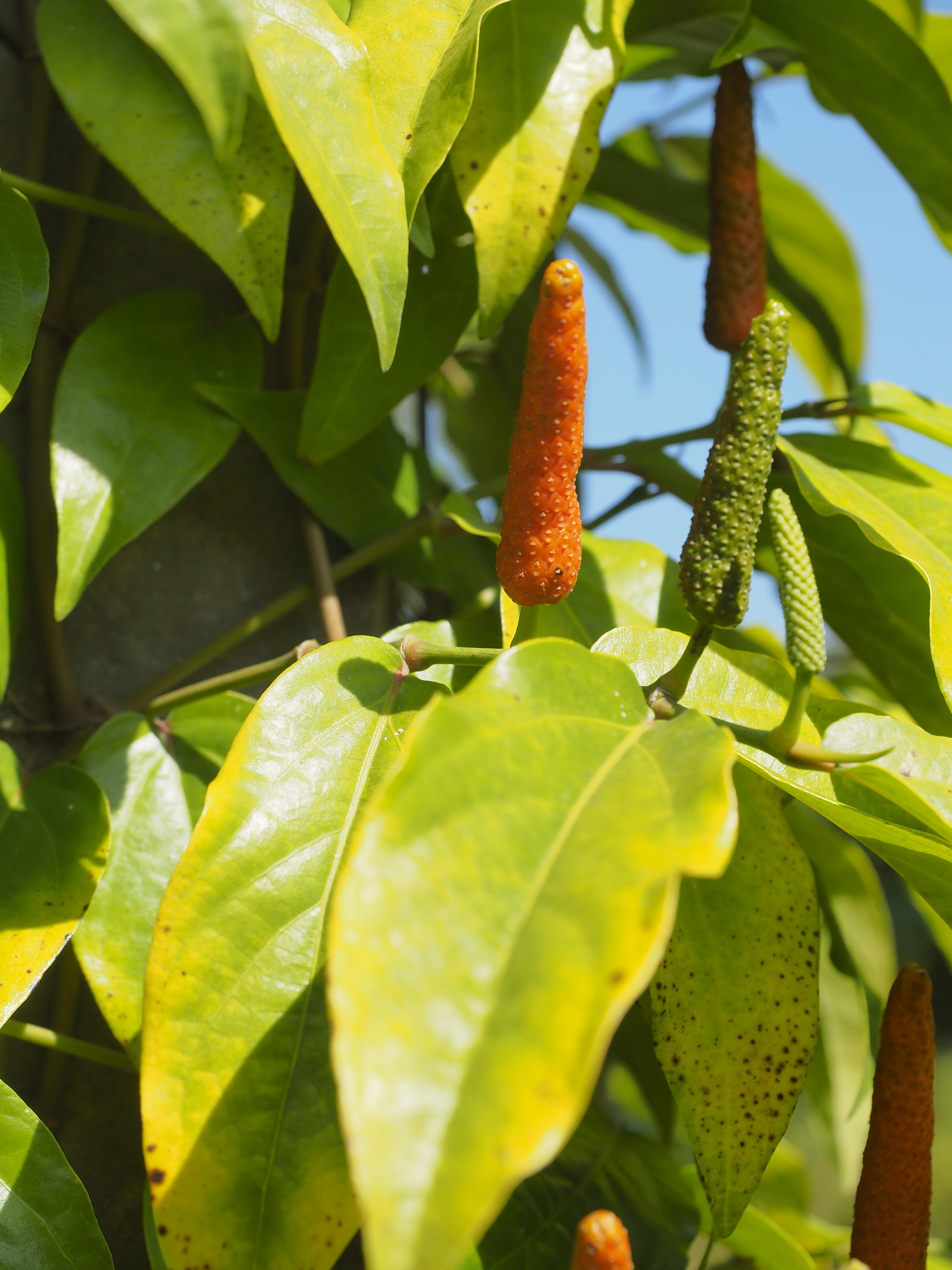
    Piper longum: characteristics, phytocompounds, and pharmacological activities

    Researchers reviewed the botanical characteristics, phytocompounds, and various pharmacological activities of Piper longum, a plant widely used in traditional medicine. This study highlights the presence of bioactive compounds, such as piperine, which demonstrate anti-inflammatory, antioxidant, and antimicrobial properties. Additionally, positive effects on digestion and respiration were observed, suggesting its potential in treating respiratory and digestive disorders. The review also mentions the importance of Piper longum in Ayurveda, where it is used to balance the doshas and improve overall health. Despite its promising applications, the study emphasizes the need for further clinical research to validate these effects and better understand the mechanisms involved.

  • Neem / Nim Indiano
    openalex🗞️ Published on Ayurdrops: Aug 10, 2026📅 Source: Aug 08, 2026

    How Ayurveda Can Help in the Treatment of Dadru: A Case Report

    Researchers presented a case report exploring the efficacy of Ayurveda in the treatment of Dadru, a dermatological condition characterized by skin lesions. The treatment included the use of herbs such as Neem (Azadirachta indica) and Turmeric (Curcuma longa), which are known for their anti-inflammatory and antimicrobial properties. After 30 days of treatment, the patient showed a significant reduction in lesions and improvement in skin quality. The study highlights the importance of a holistic approach, considering factors such as diet and lifestyle, which are fundamental in Ayurvedic medicine. Although the results are promising, the report is limited to a single case, which requires further investigations to validate the treatment's efficacy in a larger population.

  • openalex🗞️ Published on Ayurdrops: Aug 10, 2026📅 Source: Aug 08, 2026

    How Ayurveda Can Help Hemorrhagic Ovarian Cysts: A Case Study

    Researchers presented a case study illustrating Ayurveda's holistic approach to treating hemorrhagic ovarian cysts. The treatment included the use of herbs, diet, and lifestyle practices, aiming to balance the doshas and restore reproductive health. The patient, who presented with abdominal pain and menstrual irregularities, underwent a protocol involving herbal remedies and dietary adjustments. After treatment, a significant reduction in symptoms and an improvement in the patient's quality of life were observed. This case highlights the importance of an integrative and personalized approach that considers not only physical symptoms but also emotional and mental well-being. Although the study provides valuable insights, it is important to consider that it is a single case report, and more research is needed to validate these findings in a larger population.

  • openalex🗞️ Published on Ayurdrops: Aug 10, 2026📅 Source: Aug 08, 2026

    How Ayurveda Can Help in the Treatment of Dadru: A Case Report

    A case report presents the Ayurvedic approach to treating Dadru, a skin condition that manifests as skin lesions. The treatment included the use of specific herbs and purification practices, aiming to restore the balance of the doshas. The authors, Dhivya Kaviarassane and colleagues, observed significant improvements in the patient's condition after the application of Ayurvedic therapies. The use of herbal medicines and dietary modification were fundamental to recovery, demonstrating the efficacy of Ayurveda in dermatological conditions. This case highlights the importance of a holistic approach, considering not only the symptoms but also the patient's overall health. Although the results are promising, it is important to note that this is a single case report, and more studies are needed to validate these findings in a larger population.

  • openalex🗞️ Published on Ayurdrops: Aug 10, 2026📅 Source: Aug 08, 2026

    Pachkagni and Saman Vayu: Connections between the digestive fire and the enteric nervous system

    Researchers explored the relationship between Pachkagni, or digestive fire, and Saman Vayu, one of the types of Vayu (movement) in the body, in connection with Grahani, which refers to digestive capacity. The study highlights the importance of the enteric nervous system, which is responsible for regulating gastrointestinal function. Pachkagni is considered essential for the digestion and absorption of nutrients, while Saman Vayu facilitates the movement of food through the digestive tract. The research suggests that an imbalance in Pachkagni can lead to digestive disorders, reflecting the interdependence between the physical and neurological aspects of digestion. The authors, Dr. Himanshu Sharma and Dr. Maninder Kour, emphasize that understanding these interactions can offer new perspectives for the treatment of digestive conditions, aligning with traditional Ayurvedic concepts and modern evidence.

  • Neem / Nim Indiano
    openalex🗞️ Published on Ayurdrops: Aug 10, 2026📅 Source: Aug 08, 2026

    Ayurvedic Antimicrobials for Surgeons: An Integrative Approach

    Researchers explored the use of Ayurvedic antimicrobials as an alternative for surgeries. The study, conducted by Surajit and Kaushik Bhattacharya, highlights the efficacy of traditional herbs in preventing surgical infections. Among the herbs mentioned are Neem (Azadirachta indica), known for its antibacterial properties, and Tulsi (Ocimum sanctum), which has anti-inflammatory action. The authors discuss how these plants can be integrated into modern surgical practice, offering a holistic approach that respects both traditional and contemporary medicine. The research suggests that the use of herbal medicines may reduce dependence on synthetic antibiotics, which often have unwanted side effects. However, it is important to note that the study is preliminary and based on limited evidence, requiring further clinical investigations to validate the findings.

  • Acariçoba
    openalex🗞️ Published on Ayurdrops: Aug 09, 2026📅 Source: Aug 06, 2026

    Herbal and Ayurvedic Therapies for Mental Health in Nepal: A Review with Contextual Insights from South and Southeast Asia

    Researchers reviewed various herbal and Ayurvedic therapies used for mental health in Nepal, highlighting the importance of these practices in the region. The study, conducted by Prajjwol Luitel and colleagues, explores how local traditions intertwine with contemporary mental health approaches. Among the therapies mentioned are herbs such as Brahmi (Bacopa monnieri) and Ashwagandha (Withania somnifera), which have been associated with stress reduction and improved cognitive function. The authors also discuss the cultural relevance of these practices, emphasizing that mental health is often approached holistically in the Ayurvedic context. Despite promising evidence, the study points out limitations, such as the lack of rigorous clinical trials and the need for more research to validate these treatments. This review offers a comprehensive view of Ayurvedic and herbal practices, suggesting that integrating traditional knowledge with modern medicine can benefit mental health in the region.

  • openalex🗞️ Published on Ayurdrops: Aug 09, 2026📅 Source: Aug 07, 2026

    Urban and Rural Inequalities in Menopause Symptoms and Quality of Life: A Regional Perspective

    Researchers analyzed differences in menopause symptoms, known as rajonivritti, between urban and rural populations. The study, which involved collaboration from Dr. Savita Meena and others, highlights how socioeconomic and cultural factors influence women's quality of life during this phase. Women in rural areas reported greater intensity of symptoms such as hot flashes and mood changes, as well as reduced access to healthcare. The research suggests that understanding these disparities is crucial for developing more effective interventions tailored to the specific needs of each group. The connection between Ayurveda and women's health during menopause is relevant, as Ayurvedic practices can offer support to alleviate symptoms and improve quality of life.

  • openalex🗞️ Published on Ayurdrops: Aug 09, 2026📅 Source: Aug 07, 2026

    Sarvakarmika Agada: A Review of Its Applications

    Researchers analyzed Sarvakarmika Agada, a traditional Ayurvedic formulation, highlighting its properties and therapeutic applications. The study, conducted by Anjana R. Nath and colleagues, reviews the existing literature on this preparation, which is used for detoxification and treatment of poisoning. Sarvakarmika Agada is composed of a combination of herbs that act synergistically, promoting the elimination of toxins from the body and balancing the doshas. The review also discusses the mechanisms of action of the involved herbs, such as the ability to modulate the inflammatory response and liver function. Although the results are promising, the authors emphasize the need for further clinical studies to validate the claims and better understand the efficacy of the formulation in different clinical contexts.

  • Boswellia / Shallaki
    openalex🗞️ Published on Ayurdrops: Aug 09, 2026📅 Source: Aug 07, 2026

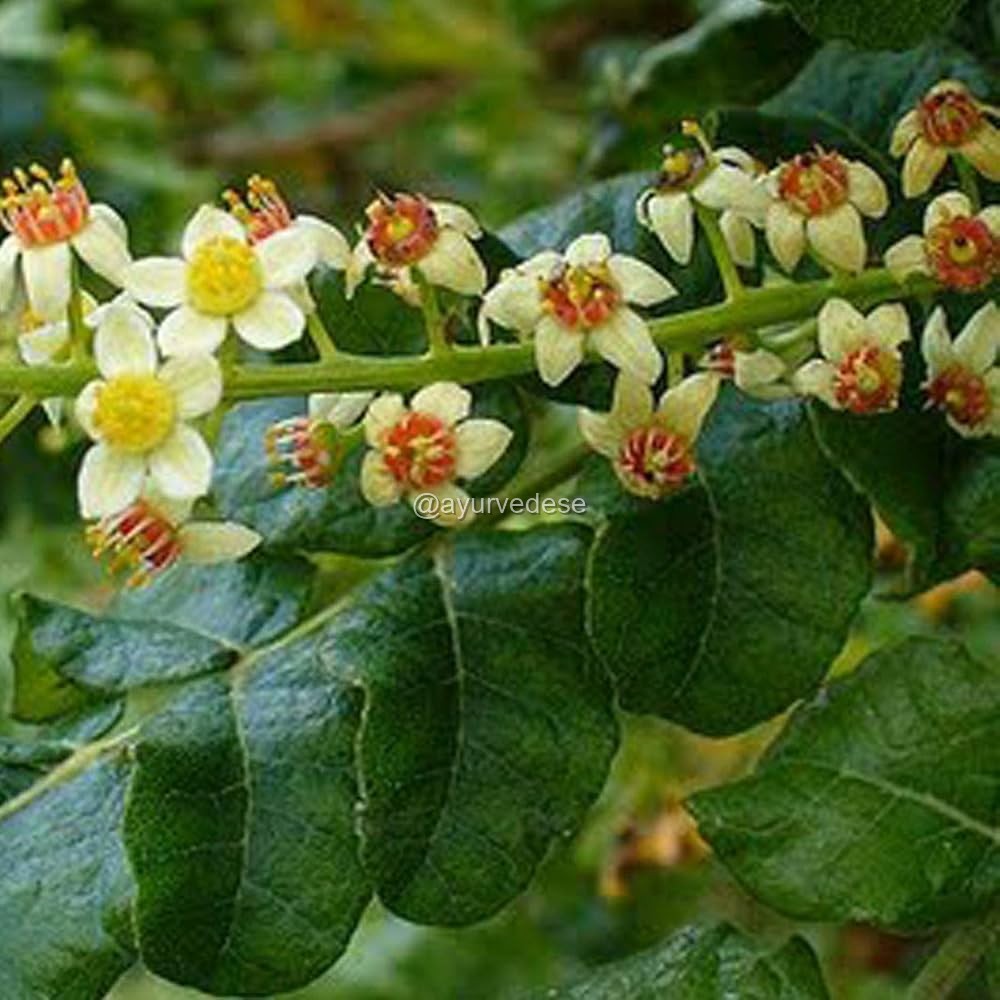
    Salai guggal: pharmaceutical applications of a powerful Ayurvedic resin

    Researchers highlight the potential of Salai guggal, a resin extracted from Boswellia serrata, as an important Ayurvedic remedy. This study reviews its pharmaceutical applications, evidencing anti-inflammatory and analgesic properties that may benefit conditions such as arthritis and other inflammatory diseases. The authors Harjeet Singh and collaborators analyze data showing the efficacy of Salai guggal in reducing inflammatory markers and improving mobility in patients. Furthermore, the research suggests that the bioactive compounds present in the resin act on specific molecular pathways, such as inhibiting the production of inflammatory cytokines. Despite the promising evidence, the study emphasizes the need for further clinical investigations to validate these findings and better understand the mechanisms of action. The connection between Ayurvedic principles and modern results is clear, as Salai guggal is traditionally used to balance the Kapha dosha and relieve pain.