Public feed

Ayurvedic editorial curation

Science articles classified by dosha, srota and dhatu. Filter to find what matters to you today.

  • openalex🗞️ Published on Ayurdrops: Aug 13, 2026📅 Source: Aug 10, 2026

    The Relationship Between Sleep and Jatharāgni: A Modern Perspective

    Researchers explored the connection between Nidra (sleep) and Jatharāgni (digestive fire) and how this relationship can be understood in light of modern science. Sleep is essential for health and well-being, influencing metabolic processes and digestion. Jatharāgni, in turn, is fundamental for the transformation of food into energy. The review suggests that sleep quality can directly impact the efficiency of Jatharāgni, affecting digestion and nutrient absorption. Studies indicate that sleep deprivation can lead to metabolic imbalances, increasing the risk of diseases. The research highlights the importance of adequate sleep for maintaining digestive health and suggests that Ayurvedic practices that promote restorative sleep may be beneficial for optimizing Jatharāgni. However, the review also points out limitations, such as the need for more clinical studies to validate these connections.

  • Ghee
    openalex🗞️ Published on Ayurdrops: Aug 13, 2026📅 Source: Aug 10, 2026

    Ghee in the Kitchen: Understanding Its Functions and Benefits

    Ghee, a clarified form of butter, is widely used in Indian cuisine and Ayurveda. Researchers Dheeraj Kumar and Harsh B. Jadhav explored the functional properties of ghee as a cooking medium. The study reveals that ghee not only enhances the flavor of foods but also has a high smoke point, making it more stable at high temperatures. Additionally, ghee contains short-chain and medium-chain fatty acids that may be beneficial for digestion and nutrient absorption. The research also suggests that ghee may have antioxidant properties, contributing to overall health. These findings are relevant to Ayurvedic practice, where ghee is considered a food that nourishes tissues (dhatus) and promotes digestion (agni). However, the study is limited by being a review and not including direct clinical trials on the effects of ghee on human health.

  • openalex🗞️ Published on Ayurdrops: Aug 13, 2026📅 Source: Aug 10, 2026

    The Relationship Between Sleep and Digestive Fire: A Modern Perspective

    Researchers have explored the interconnection between nidra (sleep) and jatharāgni (digestive fire) from a contemporary scientific perspective. The study highlights how sleep quality influences metabolism and digestion, suggesting that adequate sleep can optimize the function of jatharāgni. The research indicates that sleep deprivation can lead to metabolic imbalances, affecting digestion and nutrient absorption. Furthermore, the article discusses the importance of restorative sleep for maintaining overall health, aligning Ayurvedic concepts with modern findings on sleep physiology and its implications for digestive health. The relationship between sleep and digestive fire is fundamental to understanding how lifestyle habits impact health, especially in a world where sleep disorders are increasingly common.

  • openalex🗞️ Published on Ayurdrops: Aug 13, 2026📅 Source: Aug 10, 2026

    The Ayurvedic Perspective on Shayyamutra in Children: A Review

    Researchers reviewed the condition known as shayyamutra, which refers to nocturnal enuresis in children, from the perspective of Ayurveda. The analysis covered the etiology, contributing factors, and Ayurvedic therapeutic approaches. The study highlights that enuresis may be related to imbalances in the doshas, especially Vāta and Pitta, and suggests that correcting Agni (digestion) and promoting a balanced lifestyle are fundamental for treatment. Additionally, herbal remedies and practices such as yoga and meditation that may aid in managing the condition were discussed. The review also emphasizes the importance of individualized diagnosis, considering the unique constitution of each child. Although the study provides valuable insights, limitations such as the lack of robust clinical data and the need for further research are mentioned.

  • openalex🗞️ Published on Ayurdrops: Aug 13, 2026📅 Source: Aug 10, 2026

    The Importance of Veins in Ayurveda: Clinical and Anatomical Relevance

    Researchers highlight the relevance of veins, or 'avedhya sira', in Ayurvedic practice, emphasizing their importance from both clinical and anatomical perspectives. The study, conducted by Dr. Rakesh Kapoor and Dr. Amardeep Singh, explores how understanding veins can influence diagnoses and treatments in Ayurveda. Veins are seen as essential channels for the circulation of doshas and dhatus, and their assessment can offer valuable insights into a patient's health. The article also discusses the relationship between modern anatomy and Ayurvedic concepts, suggesting that an integrated approach can enrich clinical practice. Although the study presents relevant data, it is important to consider its limitations, such as the need for more research to validate the conclusions presented.

  • openalex🗞️ Published on Ayurdrops: Aug 13, 2026📅 Source: Aug 10, 2026

    The Ayurvedic Perspective on Shayyamutra in Children: A Review

    Researchers reviewed the condition known as shayyamutra, which refers to nocturnal enuresis in children, from the perspective of Ayurveda. The analysis covered etiology, diagnosis, and treatment options, highlighting the importance of understanding underlying factors such as dosha imbalances. The study suggests that enuresis may be related to weak Agni (digestion) and increased Kapha, which can lead to fluid retention and difficulty controlling urination. Additionally, Ayurvedic interventions, such as the use of specific herbs and dietary adjustments, were discussed as potential ways to restore balance. The authors emphasize the need for a holistic approach, considering both physical and emotional aspects, to treat this condition. Although the review provides valuable insights, limitations such as the lack of robust clinical studies and the need for further research are mentioned.

  • openalex🗞️ Published on Ayurdrops: Aug 13, 2026📅 Source: Aug 10, 2026

    Revisiting Agnikarma in the Treatment of Gridhrasi: Classical Insights

    Researchers revisited the concept of Agnikarma, a traditional Ayurvedic technique, in the context of Gridhrasi, which refers to sciatica. The study, conducted by Dr. Akansha Negi and colleagues, analyzes how this practice can relieve pain and improve mobility in patients. Agnikarma involves the application of heat to specific points on the body, promoting pain relief through tissue stimulation and modulation of inflammation. The authors highlight that, beyond immediate relief, Agnikarma may have lasting effects on patient health, promoting functional recovery. The research suggests that this technique could be a viable and effective alternative for managing Gridhrasi, especially in cases where conventional approaches fail. However, limitations such as the small number of participants and the need for more controlled clinical studies are mentioned, reinforcing the importance of an integrated approach that considers both classical wisdom and modern evidence.

  • openalex🗞️ Published on Ayurdrops: Aug 13, 2026📅 Source: Aug 10, 2026

    Revisiting the Classical Wisdom of Agnikarma in Sciatica Pain

    Researchers revisited the concept of Agnikarma, an Ayurvedic cauterization technique, in the context of sciatica pain, known as Gridhrasi. The study, conducted by Dr. Akansha Negi and colleagues, explores how this practice may offer significant relief for associated symptoms. The Agnikarma technique involves the application of heat to specific points on the body, which may help reduce pain and improve mobility. The authors discuss the relevance of this approach in light of contemporary clinical evidence, highlighting the need for further studies to validate its efficacy in different types of sciatica pain. Although initial results are promising, limitations such as the small number of participants and the lack of a control group are mentioned, indicating that more research is needed to establish definitive conclusions.

  • openalex🗞️ Published on Ayurdrops: Aug 13, 2026📅 Source: Aug 10, 2026

    The Importance of Veins in Ayurveda: Clinical and Anatomical Relevance

    Researchers highlight the relevance of veins, or 'avedhya sira', in Ayurvedic practice, emphasizing their clinical and anatomical importance. The study, conducted by Dr. Rakesh Kapoor and Dr. Amardeep Singh, explores how understanding veins can influence diagnoses and treatments in Ayurveda. Veins are considered essential channels for nutrient circulation and toxin elimination, directly reflecting on the health of tissues (dhatus). The research suggests that vein anatomy should be integrated into Ayurvedic knowledge for more effective management of health conditions. Although the study provides valuable insights, it is important to note that the research may have limitations, such as the need for more clinical evidence to validate the observations made. The connection between modern anatomy and traditional Ayurvedic concepts can enrich clinical practice and offer new perspectives for therapists and patients.

  • Ashwagandha / Ginseng Indiano
    openalex🗞️ Published on Ayurdrops: Aug 13, 2026📅 Source: Aug 11, 2026

    Natural Agents for the Thyroid in Hypothyroidism: What Ayurvedic and Traditional Plants Can Offer

    Researchers reviewed the efficacy of medicinal plants, both from Ayurveda and traditional medicine systems, in treating hypothyroidism. The study highlights that several herbs, such as Aśvagandhā (Withania somnifera) and Guggul (Commiphora mukul), have shown potential to stimulate thyroid function. The research points out that Aśvagandhā, in particular, may act on the regulation of the HPA axis—the communication between the brain and endocrine glands—which is crucial for hormonal balance. Additionally, improvements were observed in T3 and T4 levels, hormones essential for metabolism. However, the study also emphasizes limitations, such as the lack of robust clinical trials and the need for further investigation to confirm these effects. The connection between Ayurvedic principles and modern findings suggests that the holistic approach of Ayurveda may complement conventional treatments for hypothyroidism.

  • openalex🗞️ Published on Ayurdrops: Aug 13, 2026📅 Source: Aug 11, 2026

    Natural Agents for the Thyroid in Hypothyroidism: What Ayurvedic and Traditional Plants Teach Us

    Researchers reviewed the efficacy of several medicinal plants, including those from Ayurveda, in treating hypothyroidism. The study highlights that natural agents may act as thyroid stimulants, offering an alternative to conventional treatments. Among the plants mentioned are Ashwagandha (Withania somnifera), which may help regulate hormone levels, and Guggul (Commiphora mukul), known for its properties supporting thyroid function. The authors, Monam, Sharma, and Bhargava, emphasize that although there is promising evidence, most studies are limited in size and scope, which requires caution in clinical application. The relationship between Ayurvedic principles and hormonal regulation is explored, suggesting that the holistic approach of Ayurveda may complement modern treatments.

  • openalex🗞️ Published on Ayurdrops: Aug 13, 2026📅 Source: Aug 11, 2026

    Significant glycemic control in type 2 diabetes with Ayurvedic formulations: a case report

    Researchers reported a case of significant glycemic control in a patient with type 2 diabetes using Ayurvedic polyherbal formulations. The treatment included a combination of traditional herbs that, according to the literature, act on blood sugar regulation. The patient showed a reduction in glucose levels, improving their quality of life and reducing the need for conventional medications. This report highlights the importance of considering integrative approaches in diabetes management, especially in contexts where conventional medicine may not be sufficient. Although the study presents promising results, it is important to note that it is a single case, which limits the generalization of the findings. Further research is needed to validate the efficacy of these formulations in larger and diverse populations.

  • openalex🗞️ Published on Ayurdrops: Aug 13, 2026📅 Source: Aug 11, 2026

    Significant glycemic control in type 2 diabetes with Ayurvedic formulations: a case report

    Researchers reported a case in which a polyherbal Ayurvedic formulation demonstrated significant glycemic control in a patient with type 2 diabetes. The treatment included a combination of traditional herbs that acted synergistically to improve blood glucose levels. The patient showed a notable reduction in glycated hemoglobin (HbA1c) levels, an important marker for diabetes control, after 12 weeks of treatment. This report highlights the importance of Ayurvedic formulations in diabetes management, suggesting that the holistic approach of Ayurveda can complement conventional treatments. However, it is important to note that this is a single case study, and more research is needed to validate these findings in larger populations and with control groups.

  • Feno-grego
    rss:maharishi🗞️ Published on Ayurdrops: Aug 12, 2026📅 Source: Aug 03, 2026

    Fenugreek Seeds: Benefits and Uses in Ayurveda

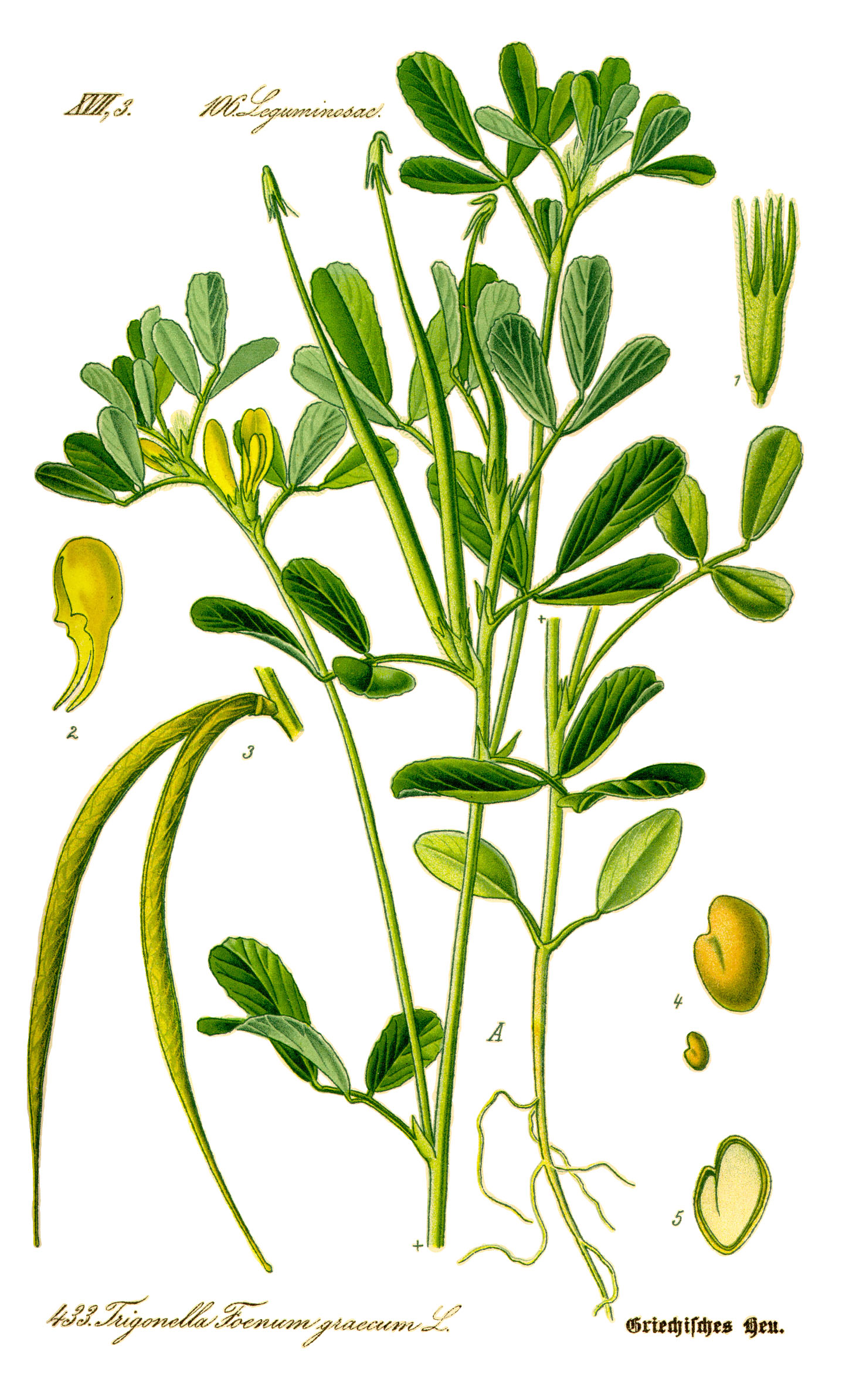
    Researchers highlight that fenugreek seeds (Trigonella foenum-graecum), known as methi, are valued in Ayurveda for their properties that promote digestion and balance of the doshas. They are recognized for stimulating Agni (digestive fire), reducing bloating, and supporting metabolism, as well as helping control blood sugar due to the presence of soluble fibers and compounds like galactomannan. Daily use may include soaked seeds, fenugreek water, or in powder form. However, it is important for people with excess Pitta or sensitive digestive issues to use with caution. Classical references, such as the Bhavaprakasha, emphasize fenugreek's efficacy in balancing Vata and Kapha, as well as strengthening digestion, which is corroborated by modern evidence on its beneficial effects.

  • Triphalā / Três Frutos
    rss:maharishi🗞️ Published on Ayurdrops: Aug 12, 2026📅 Source: Aug 05, 2026

    What Happens When You Take Triphala for 30 Days? An Ayurvedic Perspective

    Researchers highlight that the use of Triphala, a classic combination of Haritaki, Bibhitaki, and Amalaki, can bring significant benefits for digestion and the balance of the doshas. After 30 days of use, many report improvements in intestinal regularity and the sensation of digestive discomfort, as Agni (digestive fire) stabilizes. Each fruit has a specific role: Haritaki helps balance Vata, Bibhitaki acts on Kapha, and Amalaki balances Pitta. However, results vary according to dose, diet, digestive strength, and individual constitution. It is important to adjust the dose according to the body's response, as high doses can cause diarrhea or cramps. This study emphasizes that transformation is not guaranteed and depends on multiple factors, including product quality and lifestyle.

  • Saião
    openalex🗞️ Published on Ayurdrops: Aug 12, 2026📅 Source: Aug 08, 2026

    Characterization of bioactive compounds from Bryophyllum pinnatum leaves: a phytochemical study

    Researchers identified bioactive compounds in the leaves of Bryophyllum pinnatum, a plant known for its medicinal properties. Through phytochemical screening techniques and spectroscopic characterization, several compounds were isolated that demonstrated therapeutic potential. The authors, Shiva Kant and Mukesh Kumar, highlight the importance of Bryophyllum pinnatum in traditional medicine and its potential applications in health. The study provides a scientific basis for the use of this plant, which is often used in Ayurveda to treat various conditions. The results suggest that the isolated compounds may have beneficial effects, although more research is needed to fully understand their mechanisms of action and clinical efficacy.

  • Gengibre
    openalex🗞️ Published on Ayurdrops: Aug 12, 2026📅 Source: Aug 08, 2026

    Panchakola Churna and Lifestyle Modifications in Nonalcoholic Fatty Liver Disease: A Case Study

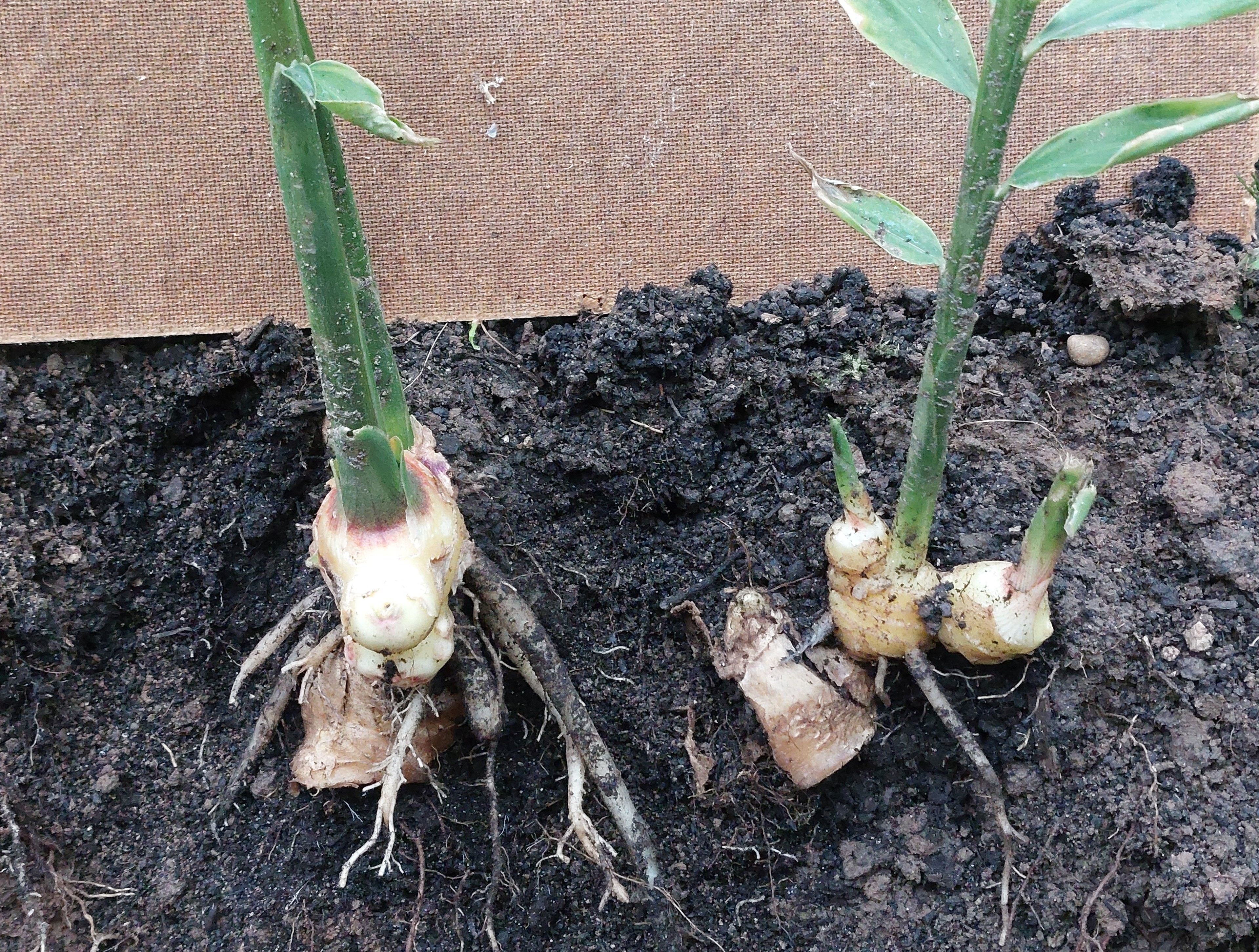
    Researchers evaluated the efficacy of Panchakola Churna in combination with lifestyle and dietary changes in a patient with Nonalcoholic Fatty Liver Disease (NAFLD). The study, conducted by C. Sruthi and Tewari P., demonstrated significant improvements in liver enzyme levels and the patient's overall health after 12 weeks of intervention. Panchakola, a herbal combination that includes Piper longum and Zingiber officinale, works by promoting digestion and metabolism, which may be beneficial for liver-related conditions. The results showed a reduction in liver fat levels and an improvement in liver function, suggesting that dietary and herbal interventions may be effective in managing NAFLD. However, the study is limited by its small size and lack of a control group, which prevents broad generalizations.

  • openalex🗞️ Published on Ayurdrops: Aug 12, 2026📅 Source: Aug 09, 2026

    Pregnancy and amniotic fluid health: a case report on Garbhodaka Kshaya

    Researchers reported a case in which the Ayurvedic approach to Garbhodaka Kshaya, a condition characterized by decreased amniotic fluid, resulted in significant improvements in the Amniotic Fluid Index (AFI). The treatment included the use of specific herbs and care practices aimed at balancing the Vata dosha, often associated with this condition. The patient showed an increase in AFI after the intervention, demonstrating the effectiveness of Ayurvedic strategies in obstetric situations. Although the study is a case report, the results suggest that Ayurvedic medicine may offer a viable alternative for managing pregnancy complications. It is important to consider that more research is needed to validate these findings in larger populations and with controlled methods.

  • openalex🗞️ Published on Ayurdrops: Aug 12, 2026📅 Source: Aug 10, 2026

    Sattvic Dietary Pattern: Review of Ayurvedic Practices and Emerging Evidence

    The sattvic diet, fundamental in Ayurvedic philosophy, is associated with a balanced lifestyle and health promotion. Researchers such as Sanshika Bhardwaj and colleagues conducted a comprehensive review of this dietary pattern, mapping Ayurvedic principles and emerging biomedical evidence. The research highlights that the sattvic diet, rich in fresh, natural, and nutritious foods, may have positive impacts on mental and physical health. The authors identified that adopting a sattvic diet may be linked to reduced stress, improved digestion, and increased vital energy (prāṇa). However, the review also points out limitations, such as the scarcity of rigorous clinical studies validating these associations. The connection between Ayurvedic principles and modern health is evident, but more research is needed to solidify these relationships.

  • Śaṅkhapuṣpī
    pubmed🗞️ Published on Ayurdrops: Aug 12, 2026📅 Source: Jul 28, 2026

    Convolvulus pluricaulis and the protection of the nervous system in chemotherapy-induced neuropathy: what the research reveals

    Researchers have identified that the extract of Convolvulus pluricaulis may have a neuroprotective role in cases of chemotherapy-induced neuropathy. The study, conducted by Ali Z and colleagues, analyzed the phytochemical characterization of the extract and its impact on oxidative stress biomarkers. The results showed that treatment with the extract significantly reduced oxidative stress levels, which is a critical factor in neuropathy. Furthermore, the behavioral profile of treated subjects indicated improvements in nerve function. These findings suggest that Convolvulus pluricaulis may be a promising option to mitigate the side effects of chemotherapy, aligning with Ayurvedic concepts of protection and rejuvenation of the nervous system.