Public feed

Ayurvedic editorial curation

Science articles classified by dosha, srota and dhatu. Filter to find what matters to you today.

  • openalex🗞️ Published on Ayurdrops: Aug 15, 2026📅 Source: Aug 16, 2026

    Trigunas in Ayurveda: Philosophical Foundations and Therapeutic Applications

    Understanding the trigunas — sattva, rajas, and tamas — is fundamental to the practice of Ayurveda. These three principles not only describe the nature of matter but also influence mental and physical health. Researchers such as Dr. Ira Ashutosh Joshi and colleagues highlight that the balance among these trigunas can be used to personalize treatments and promote well-being. For example, an increase in sattva may be associated with a clearer and calmer mind, while excess tamas can lead to lethargy and depression. The practical application of these concepts can be seen in therapies aimed at restoring emotional and physical balance, using diets, meditation, and herbal medicine. This study also emphasizes the importance of considering each patient's individual characteristics, an approach that resonates with Ayurvedic principles. However, it is important to note that research is still emerging and further studies are needed to validate these applications in clinical practice.
  • Laranja-cidra (Cidra)
    openalex🗞️ Published on Ayurdrops: Aug 15, 2026📅 Source: Aug 16, 2026

    Mahalung Swarasa (Citrus medica) and its application in the treatment of otitis externa: a critical review

    Researchers analyzed the use of Mahalung Swarasa, extracted from Citrus medica, in the treatment of Karnashoola (otitis externa) associated with Kapha. The critical review highlights how this herb can help alleviate symptoms related to inflammation and discharge, common in this condition. The study suggests that Mahalung Swarasa acts by reducing Kapha, promoting the clearing of the ear canals and relieving pain. Additionally, mechanisms of action were discussed, such as the ability of Citrus medica to act as an anti-inflammatory and antimicrobial, which may be beneficial in cases of external infections. The authors, Dr. Nilesh Nikam, Dr. Girish Shrigarpuatale, and Dr. Vihar Rajendra Bidwai, emphasize the importance of further clinical research to validate these findings and better understand the efficacy of Mahalung Swarasa in different clinical contexts.

  • Triphalā / Três Frutos
    openalex🗞️ Published on Ayurdrops: Aug 15, 2026📅 Source: Aug 16, 2026

    Cholesterol Control through Ayurveda: A Case Report

    Researchers presented a clinical case of dyslipidemia, also known as medoroga, which was treated with an Ayurvedic approach. The patient, a 45-year-old man, had elevated levels of total cholesterol and LDL, along with symptoms such as fatigue and chest pain. The intervention included the use of herbs like Triphala and Guggulu, which are known for their lipid-lowering properties. After 12 weeks of treatment, there was a significant reduction in total cholesterol levels by 30% and LDL by 25%. The authors highlight the importance of a balanced diet and physical exercise as essential complements to the treatment. This case suggests that Ayurveda can offer a viable alternative for managing dyslipidemia, although more studies are needed to validate these findings in larger populations.

  • openalex🗞️ Published on Ayurdrops: Aug 15, 2026📅 Source: Aug 16, 2026

    Avascular Necrosis of the Femoral Head and Its Ayurvedic Approach: Understanding vāta asthimajjagata

    Researchers discuss avascular necrosis of the femoral head, a condition that results in the death of bone tissue due to lack of blood supply. In Ayurveda, this condition is correlated with vāta asthimajjagata, which refers to disturbances in bone tissues and bone marrow. The article explores causes, symptoms, and possible Ayurvedic interventions, such as the use of herbs and specific therapies to restore vāta balance. The approach includes the use of medicinal oils and purification practices aimed at improving circulation and nutrition of affected tissues. Although the study provides a comprehensive overview, it is important to note that the research is conceptual and lacks direct clinical data proving the efficacy of the proposed interventions. The relationship between Ayurvedic concepts and modern pathophysiology is discussed, highlighting the need for further investigation to validate the recommended practices.

  • openalex🗞️ Published on Ayurdrops: Aug 15, 2026📅 Source: Aug 16, 2026

    Dosha as a Treatment Protocol: The Case of Acne and Dooshita Dosha

    Researchers investigated the efficacy of the dosha concept in treating acne vulgaris, known in Ayurveda as Yavuna Pidika. The study focused on the application of Dooshita Dosha, which refers to contaminated or imbalanced doshas, and how this can influence the manifestation of acne. The clinical intervention involved a specific protocol that considered the individual characteristics of patients, promoting a more personalized treatment. Results indicated that the Ayurvedic approach, by focusing on correcting Dooshita Dosha, may offer significant benefits in managing acne, highlighting the importance of a deep understanding of doshas in clinical practice. This study opens new perspectives on how Ayurveda can be integrated into modern treatment protocols, although the research still needs more data to fully validate its conclusions.

  • openalex🗞️ Published on Ayurdrops: Aug 15, 2026📅 Source: Aug 16, 2026

    Balahatadi Taila and Headache: A Critical Evaluation Between Ayurveda and Modern Science

    Researchers evaluated the efficacy of Balahatadi Taila in the treatment of Shirashula, or headache, integrating classical Ayurvedic concepts with contemporary scientific perspectives. The study, conducted by Dr. Sanila V. K. and Dr. Afeefa Chullikulavan, explores how the formulation of Balahatadi Taila, which combines various herbs, may act in reducing pain and promoting well-being. The research highlights mechanisms such as the anti-inflammatory and analgesic action of the herbs present, which may be related to the balance of the doshas and the health of the nervous system. Although the results are promising, the study also points out limitations, such as the need for more controlled clinical trials to validate the findings and better understand the interaction between the components of the formulation and human physiology.

  • openalex🗞️ Published on Ayurdrops: Aug 15, 2026📅 Source: Aug 16, 2026

    Laghu Malini Vasanta Rasa: A Literary Review in Classical Ayurveda Texts

    Laghu Malini Vasanta Rasa is a traditional Ayurvedic formulation that has been the subject of study in classical texts. Researchers such as Shruti Suresh Sonawane and colleagues have reviewed the available literature on this preparation, highlighting its indications, properties, and methods of preparation. The formulation is often used to balance the Pitta dosha and is known for its beneficial properties in conditions such as fever and heat-related disorders. The review also addresses the composition of Laghu Malini Vasanta Rasa, which includes ingredients such as mercury, which, according to tradition, must be handled with care due to its toxicity. Although the research has brought valuable information to light, limitations such as the lack of robust clinical studies and the need for further investigations into the safety and efficacy of the formulation were pointed out. These findings underscore the importance of integrating classical knowledge with contemporary research to validate and enhance the use of Ayurvedic preparations.

  • openalex🗞️ Published on Ayurdrops: Aug 15, 2026📅 Source: Aug 16, 2026

    Tridosha Dynamics in Pregnancy: An Ayurvedic Perspective on Maternal-Fetal Health

    Researchers explored how the tridoshas — vāta, pitta, and kapha — influence maternal-fetal health during pregnancy. The study highlights that proper dosha balance is crucial for healthy fetal development and maternal well-being. The research suggests that dosha imbalances may lead to complications such as preeclampsia and gestational diabetes. Furthermore, the interaction between doshas and environmental factors, such as diet and stress, is emphasized as an important aspect to consider. The Ayurvedic approach, which integrates these factors, may offer valuable strategies for health during gestation. The authors, Bandana Devi and Pragya Dwivedi, propose that Ayurvedic practices, such as proper nutrition and stress management, can help maintain dosha balance and consequently promote a healthy pregnancy.

  • openalex🗞️ Published on Ayurdrops: Aug 15, 2026📅 Source: Aug 16, 2026

    Granthi Roga in Ayurveda: A Perspective on Lipoma

    Researchers reviewed Granthi Roga, a condition referring to nodules or masses in the body, with a special focus on lipoma, which is a benign tumor composed of adipose tissue. The study, conducted by Dr. Vandana Kaparia and colleagues, explores the causes, symptoms, and therapeutic approaches of Granthi Roga in the Ayurvedic context. In Ayurveda, this condition is often associated with an imbalance in the doshas, especially Kapha, which is related to the formation of masses and tumors. The review suggests that interventions such as the use of specific herbs, diets, and purification practices may be effective in treating lipoma. Additionally, the research highlights the importance of a holistic approach, considering not only physical symptoms but also the emotional and mental state of the patient. Although the study provides valuable insights, it is important to note that most evidence is based on clinical reports and not controlled clinical trials, which limits the generalizability of the results.

  • pubmed🗞️ Published on Ayurdrops: Aug 15, 2026📅 Source: Aug 01, 2026

    Crateva religiosa and Its Allied Species: Traditional Knowledge and Modern Pharmacology

    Researchers reviewed the potential of Crateva religiosa and its related species, highlighting their use in traditional medicine and their pharmacological properties. Crateva religiosa, known for its applications in urinary disorders and inflammations, contains bioactive compounds that demonstrate anti-inflammatory and antioxidant activity. The authors Saleh RT, Elhawary SS, Khairy SA, and Hamdy SA emphasize the importance of integrating traditional knowledge with modern research to validate and enhance the use of these plants. Although the data are promising, the review also points to the need for more clinical studies to confirm the efficacy and safety of these herbs, considering that much of the available data come from preclinical or in vitro studies.

  • Ashwagandha / Ginseng Indiano
    pubmed🗞️ Published on Ayurdrops: Aug 15, 2026📅 Source: Aug 13, 2026

    Withania somnifera and the immune system: how the herb regulates immune cells and its clinical implications

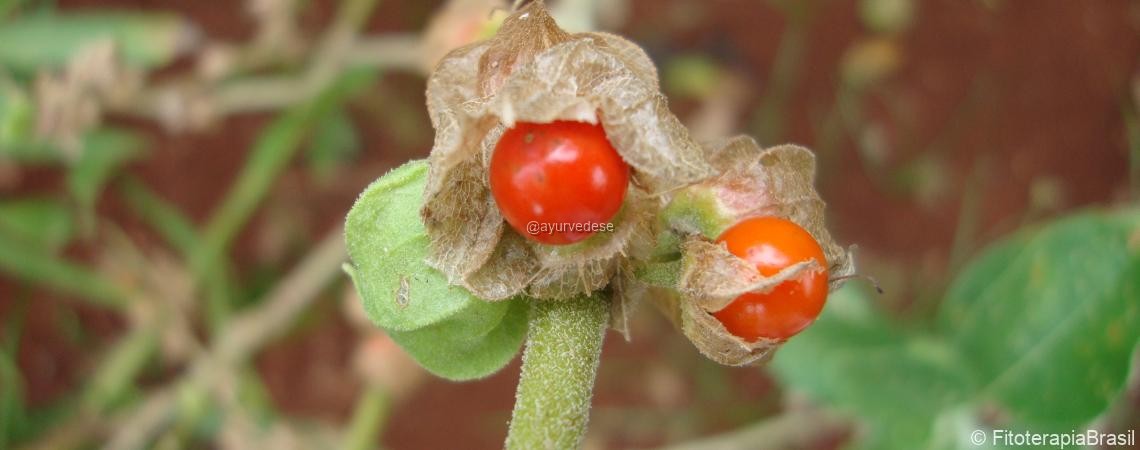
    Researchers have demonstrated that Withania somnifera, known as ashwagandha, possesses significant immunomodulatory properties. The study, conducted by Yukta R and collaborators, reveals that the herb regulates the activity of innate immune system cells, such as macrophages and NK (natural killer) cells. Ashwagandha acts through the modulation of cytokines and inflammatory mediators, promoting a balance in the immune response. The authors highlight that the use of the herb may have important clinical implications, especially in conditions involving immune dysfunctions, such as autoimmune diseases and chronic inflammations. However, it is important to note that the study has limitations, such as the need for further clinical investigations to validate these findings in humans.

  • openalex🗞️ Published on Ayurdrops: Aug 14, 2026📅 Source: Aug 12, 2026

    Ayurvedic Treatment for Persistent Diabetic Ulcer: A Case Study on Dushtavrana

    Researchers presented a case study on the treatment of a non-healing diabetic ulcer, known as dushtavrana, using Ayurvedic approaches. The patient, a 60-year-old man, had a foot ulcer that did not respond to conventional treatments. The Ayurvedic intervention included the use of specific herbs, such as medicinal plant pastes and the application of compresses. After 12 weeks of treatment, the ulcer showed significant signs of healing, with a reduction in size and improvement in tissue quality. The authors highlight the importance of considering Ayurveda's holistic approach, which not only treats the wound but also considers the patient's overall health, including factors such as Agni (digestion) and Prakriti (constitution). This study suggests that Ayurveda can offer effective alternatives for managing conditions that do not respond to conventional treatments.

  • openalex🗞️ Published on Ayurdrops: Aug 14, 2026📅 Source: Aug 12, 2026

    Ayurvedic oils for preventing stretch marks in pregnancy: a comparative study

    Researchers evaluated the efficacy of two Ayurvedic oils, Chandanabala Lakshadi Taila and Nalpamaradi Taila, in preventing pregnancy stretch marks (Garbhini Kikkisa). The study, conducted by Hemalatha H.K and colleagues, included pregnant women and compared the effects of the two oils in a controlled clinical setting. The results showed that both oils presented significant benefits in reducing the incidence of stretch marks, with Chandanabala Lakshadi Taila demonstrating a slight superiority compared to Nalpamaradi Taila. The topical application of these oils may be related to their ability to improve skin elasticity, possibly due to their nourishing and moisturizing components. However, the study has limitations, such as the sample size and the lack of a control group, which suggests the need for further research to confirm these findings.

  • Acácia-katechu / Catechu
    openalex🗞️ Published on Ayurdrops: Aug 14, 2026📅 Source: Aug 12, 2026

    Khadira and Vaginal Health in Pregnancy: What a Clinical Study Reveals

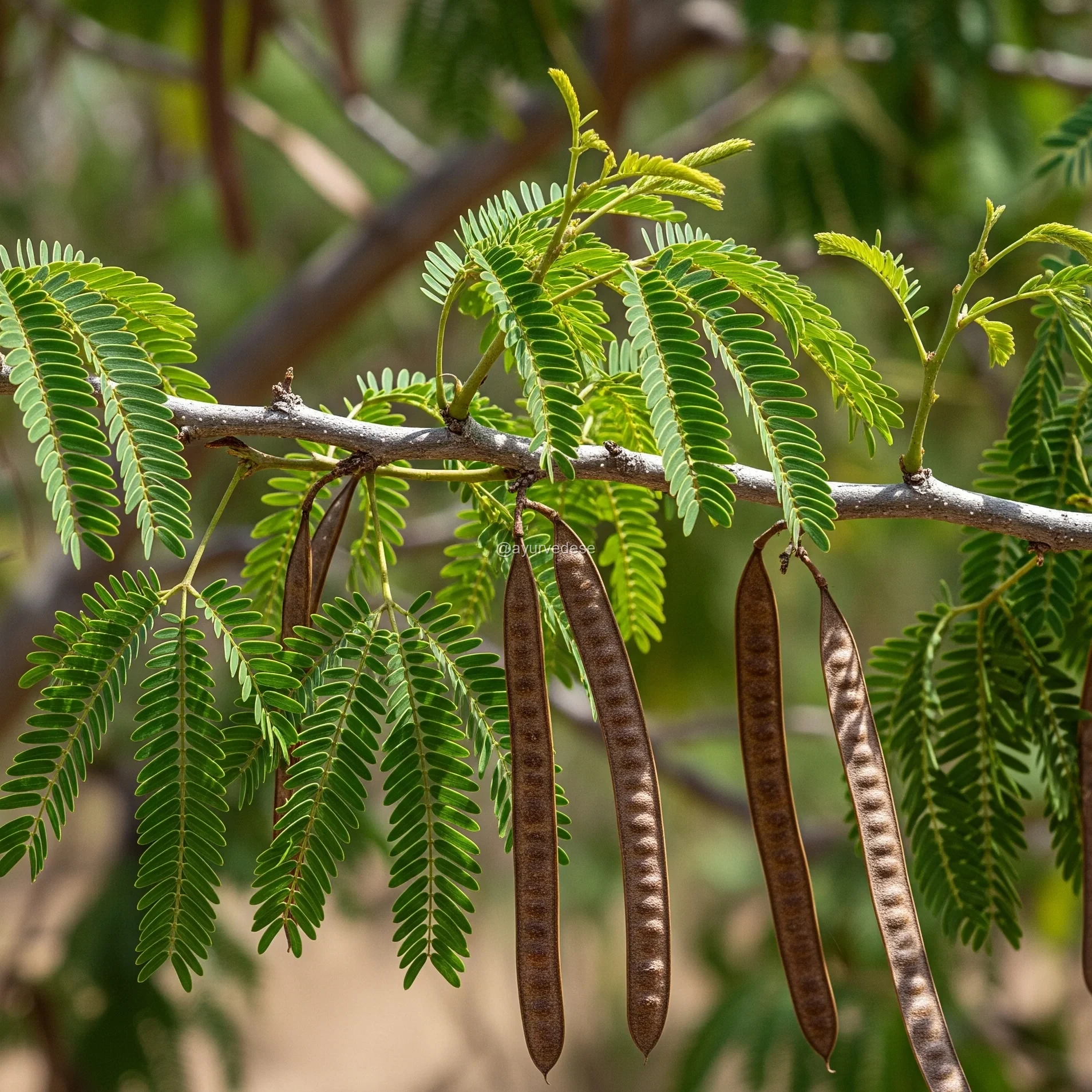
    Researchers investigated the efficacy of Khadira (Acacia catechu) suppositories in treating Upapluta Yoni Vyapad, a condition resembling vulvovaginitis, during pregnancy. The study, conducted by Sudharani Sudharani and colleagues, was carried out with a group of pregnant women presenting symptoms of vaginal discomfort. Results showed that the use of Khadira suppositories led to a significant reduction in symptoms compared to the control group. The anti-inflammatory and astringent action of Khadira may be responsible for this improvement, aligning with Ayurvedic principles that emphasize the importance of vaginal health during gestation. Although the results are promising, the study highlights the need for further research to confirm the efficacy and safety of the treatment in larger populations.

  • openalex🗞️ Published on Ayurdrops: Aug 14, 2026📅 Source: Aug 12, 2026

    Clinical improvement of essential blepharospasm with Ayurvedic treatment: a case report

    Researchers reported a case of significant improvement in a patient with essential blepharospasm after Ayurvedic treatment. The patient, diagnosed with Kricchronmeelanaa, presented involuntary spasms of the eyelids that impacted their quality of life. After a treatment protocol that included specific herbs and Ayurvedic therapies, a notable reduction in the frequency and intensity of the spasms was observed. The treatment was based on Ayurvedic principles aimed at balancing the doshas and strengthening the nervous system. The authors, Harashada Terdale, Gaurav A. Dhotre, and Jayant V. Wagh, highlight the importance of an integrative approach to neurological conditions, suggesting that Ayurveda may offer viable alternatives for managing disorders such as blepharospasm. Although the study presents a single case, the results are promising and open the door for future investigations into the efficacy of Ayurveda in neurological conditions.

  • openalex🗞️ Published on Ayurdrops: Aug 14, 2026📅 Source: Aug 12, 2026

    Ayurveda and Male Fertility: Therapeutic Strategies to Improve Reproductive Potential

    Researchers highlight that Ayurveda offers valuable approaches to improve male fertility by addressing factors such as oxidative stress and hormonal imbalances. The study, led by Ashwin, Megha Garg, and K. Nagarajan, explores how Ayurvedic practices, including the use of herbs like Ashwagandha (Withania somnifera) and Shatavari (Asparagus racemosus), can increase sperm count and motility. Additionally, it emphasizes the importance of a balanced lifestyle and proper diet, which are fundamental for reproductive health. The authors also discuss the relationship between Agni (digestion) and fertility, suggesting that a strong Agni can improve overall health and consequently fertility. Although the results are promising, the study underscores the need for more clinical research to validate these approaches and better understand the mechanisms involved.

  • openalex🗞️ Published on Ayurdrops: Aug 14, 2026📅 Source: Aug 12, 2026

    Effects of Shatapushpadi Taila and Phalaghrita Nasya on Anovulation: A Comparative Clinical Study

    Researchers evaluated the efficacy of Shatapushpadi Taila and Phalaghrita Nasya in treating anovulation, a condition that can affect female fertility. The study, conducted by Suma Patil and colleagues, involved a group of women diagnosed with anovulation. Results showed that both treatments led to significant improvements in ovarian function, with Shatapushpadi Taila demonstrating a more pronounced effect on menstrual cycle regulation. The use of Phalaghrita Nasya also contributed to improvement, but to a lesser degree. The research highlights the importance of Ayurvedic approaches in reproductive health, suggesting that combining therapies may be beneficial. However, limitations such as the small sample size and lack of a control group should be considered when interpreting the results.

  • openalex🗞️ Published on Ayurdrops: Aug 14, 2026📅 Source: Aug 12, 2026

    Ayurvedic Treatment for Non-Healing Diabetic Ulcer: A Case Study on Dushtavrana

    Researchers presented a case study exploring the efficacy of Ayurvedic treatment in a non-healing diabetic ulcer, referred to as dushtavrana. The patient, a 65-year-old man, presented with a foot ulcer that did not respond to conventional treatments. The Ayurvedic approach included the use of specific herbs, such as medicinal pastes and topical therapies, aimed at promoting healing and restoring skin integrity. After 12 weeks of treatment, a significant reduction in the ulcer area and improvement in the quality of the surrounding skin were observed. This case highlights the importance of considering integrative approaches in the management of chronic conditions, such as diabetic ulcers, which often do not respond to conventional treatments. Although the results are promising, it is important to note that this is a case study, which limits the generalizability of the findings.

  • openalex🗞️ Published on Ayurdrops: Aug 14, 2026📅 Source: Aug 12, 2026

    Herbs and vagus nerve stimulation: what a systematic review reveals

    Researchers analyzed the impact of herbal medicines and their constituents on vagus nerve stimulation, focusing on in vivo studies. The vagus nerve plays a crucial role in regulating various bodily functions, including stress response and digestion. The review included multiple studies demonstrating how different herbs can influence vagus nerve activity, suggesting that bioactive compounds in plants may modulate communication between the brain and organs. Although the results are promising, most studies have limitations, such as small sample sizes and the need for further investigation to confirm the findings. This research opens new possibilities for the use of herbal medicines in promoting health and treating conditions related to vagus nerve dysfunction.

  • Sândalo
    rss:maharishi🗞️ Published on Ayurdrops: Aug 13, 2026📅 Source: Aug 12, 2026

    Sandalwood and Its Benefits for the Skin: An Ayurvedic Guide

    Researchers highlight sandalwood (Chandana) as a valuable resource in Ayurveda, especially for skin care. This ingredient, derived from the Santalum album tree, is known for its cooling and soothing properties, being particularly beneficial for balancing the Pitta dosha. Sandalwood is used in various forms, such as powder, paste, and oil, and is valued for its anti-inflammatory and antiseptic qualities. Beyond its applications in cosmetics, sandalwood plays an important role in spiritual rituals, being considered a symbol of purity and tranquility. Although widely safe, it is recommended to perform a patch test before topical use to avoid adverse reactions. This guide explores the properties, uses, and safety considerations of sandalwood, bridging ancient traditions and contemporary practices.