Public feed

Ayurvedic editorial curation

Science articles classified by dosha, srota and dhatu. Filter to find what matters to you today.

  • Ghee
    openalex🗞️ Published on Ayurdrops: Aug 15, 2026📅 Source: Aug 16, 2026

    The Importance of ghrita in Diet: Connection with the Smoothness of Foods

    Researchers highlight the role of ghrita (clarified butter) as a sneha, or oily substance, essential in diet. Ghrita is considered an agent that promotes the smoothness (snigdha) of foods, facilitating digestion and nutrient absorption. The research explores how including ghrita in the diet can improve the quality of consumed foods, making them more beneficial for health. Additionally, ghrita is associated with properties that balance the doshas, especially in contexts of Vata and Pitta, promoting healthy digestion and an overall state of well-being. The relationship between Ayurvedic tradition and modern dietary practices is emphasized, suggesting that the use of ghrita can be an effective strategy to optimize nutrition and digestive health. However, it is important to consider that the research is still preliminary and more studies are needed to validate these findings in larger populations.
  • openalex🗞️ Published on Ayurdrops: Aug 15, 2026📅 Source: Aug 16, 2026

    Dosha as a Treatment Protocol: What a Clinical Study Reveals About Acne

    Researchers investigated the relationship between doshas and the treatment of acne vulgaris, known in Ayurveda as yavuna pidika. The study focused on the condition of dooshita dosha, which refers to contaminated or imbalanced doshas, and how this impacts the manifestation of acne. The clinical intervention demonstrated that identifying and treating dooshita dosha can lead to significant improvements in patients' skin condition. The results indicated that the Ayurvedic approach, by considering the doshas, offers an effective treatment protocol, promoting not only skin health but also overall well-being. This study highlights the importance of integrating Ayurvedic concepts into modern clinical practice, especially in dermatological conditions such as acne.

  • Laranja-cidra (Cidra)
    openalex🗞️ Published on Ayurdrops: Aug 15, 2026📅 Source: Aug 16, 2026

    Mahalung Swarasa (Citrus medica) in the treatment of Karnashoola: a critical review

    Researchers analyzed the use of Mahalung Swarasa, extracted from Citrus medica, in the treatment of Karnashoola, a condition characterized by otitis externa, associated with the Kapha dosha. The review highlights how the anti-inflammatory and antimicrobial properties of Mahalung Swarasa may be beneficial in alleviating the symptoms of this condition. The study suggests that topical application of the juice may help reduce pain and inflammation, promoting ear health. Additionally, the research mentions the importance of considering dosha balance in treatment, especially in cases where Kapha is exacerbated. Although the authors acknowledge the need for more clinical studies to validate these findings, the review provides a basis for the use of Mahalung Swarasa in Ayurvedic clinical practice.

  • Karpāsa / Algodão
    openalex🗞️ Published on Ayurdrops: Aug 15, 2026📅 Source: Aug 16, 2026

    Garavishaghna Lepa and Inflammation: What an Animal Study Reveals

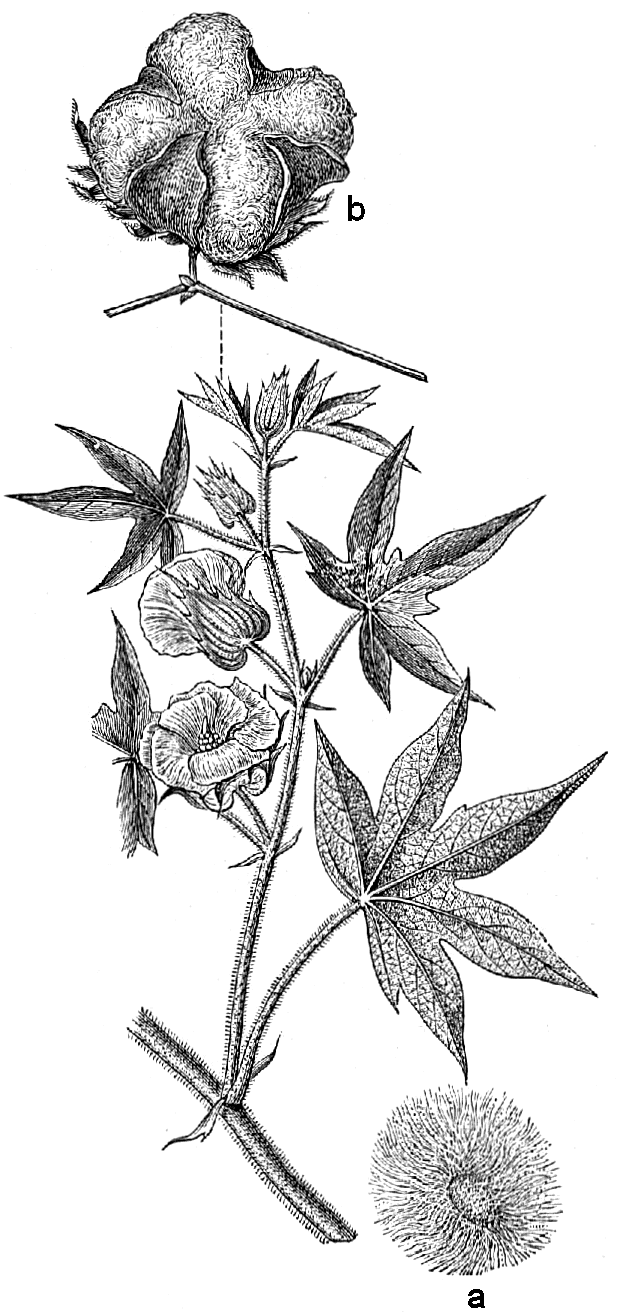
    Researchers investigated the effects of Garavishaghna Lepa, an Ayurvedic formulation, in a model of inflammation induced by cotton pellets in animals. The study, conducted by Dr. Narvekar Mamata and Dr. Borkar Akshata, demonstrated that the application of Garavishaghna Lepa resulted in a significant reduction of inflammatory markers. The results suggest that this formulation may act on the modulation of the inflammatory response, possibly through the inhibition of inflammatory mediators. Although the study was conducted in an animal model, the findings may open pathways for future investigations on the use of Garavishaghna Lepa in inflammatory conditions in humans. It is important to note that the research was limited to animal use, which may restrict the generalization of the results to human clinical practice.

  • Pata-de-Vaca
    openalex🗞️ Published on Ayurdrops: Aug 15, 2026📅 Source: Aug 16, 2026

    Hypothyroidism in Children and Ayurveda: What a Clinical Case with Kanchanara Gutika Teaches Us

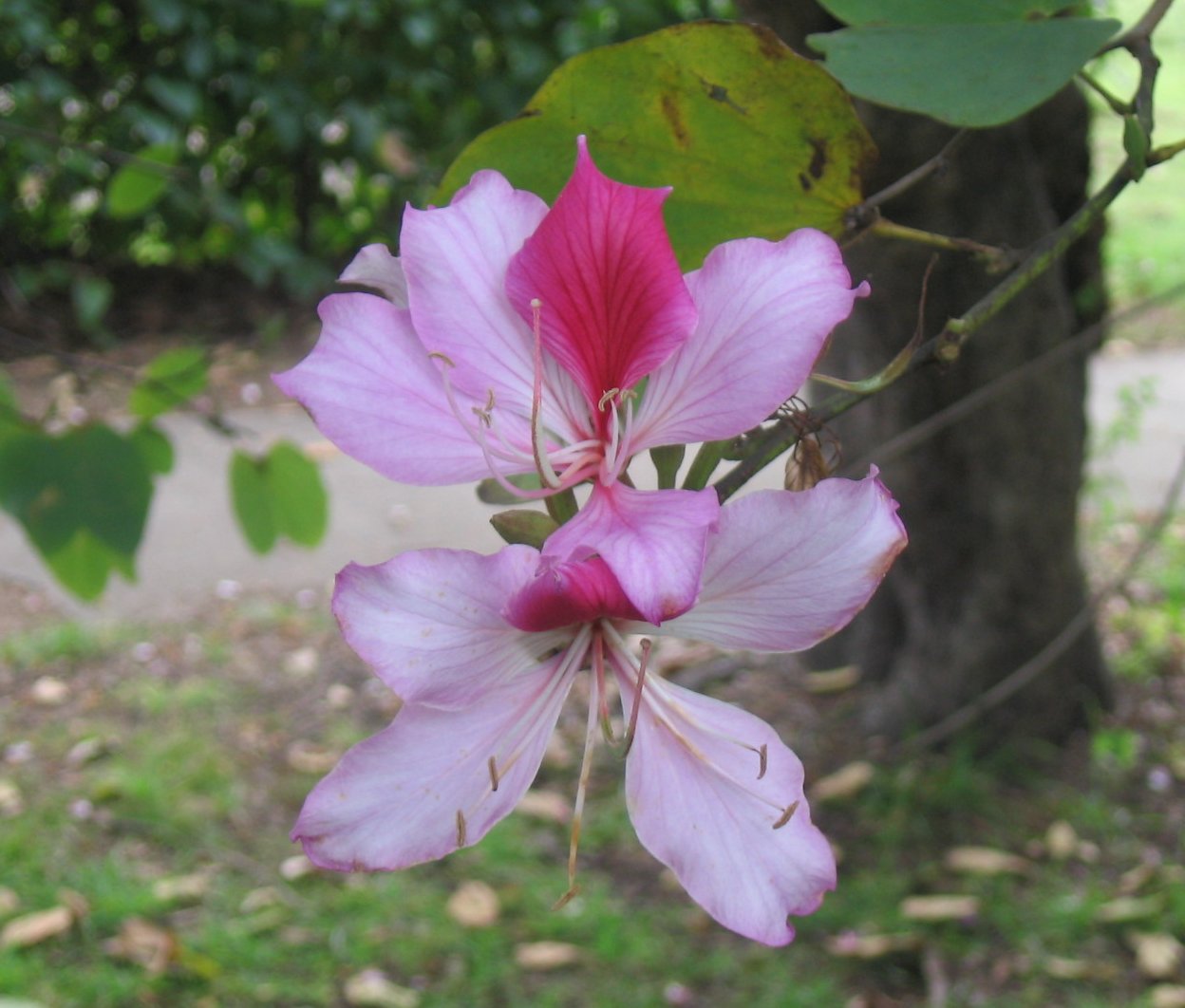
    Researchers reported a case of hypothyroidism in a child treated with Kanchanara Gutika, an Ayurvedic formulation. After treatment, a significant improvement in thyroid hormone levels was observed, with TSH (thyroid-stimulating hormone) reduced and T4 (thyroxine) normalized. Kanchanara Gutika, which contains herbs such as Kanchanara (Bauhinia variegata), is known for its properties supporting thyroid function. The treatment was carried out over a period of 6 months, with regular monitoring of hormone levels and clinical evaluation. Although the results are promising, it is important to note that this is a single case study, which limits the generalizability of the findings. The relationship between Ayurvedic principles and hormonal regulation suggests that the holistic approach of Ayurveda may offer complementary benefits in the management of pediatric hypothyroidism.

  • openalex🗞️ Published on Ayurdrops: Aug 15, 2026📅 Source: Aug 16, 2026

    Diabetes and Ayurveda: An Integrative Review of Madhumeha

    Researchers reviewed the relationship between Madhumeha, the Ayurvedic term for diabetes mellitus, and its diagnostic and clinical approaches. The study, conducted by Dr. Pooja Kombe and Dr. Bhagwan K. Muley, highlights the importance of integrating Ayurvedic practices with modern diagnostic methods. The review indicates that Ayurveda offers a holistic understanding of diabetes, considering factors such as Agni (digestion) and doshas. Additionally, the classic symptoms of Madhumeha, such as polyuria and weight loss, were discussed, correlating with contemporary diagnostic criteria. The research suggests that combining Ayurvedic therapies with modern interventions may improve glycemic control and patients' quality of life. However, limitations such as the scarcity of rigorous clinical studies and the need for more scientific evidence were acknowledged.

  • openalex🗞️ Published on Ayurdrops: Aug 15, 2026📅 Source: Aug 16, 2026

    Deciphering Agni: Conceptual Insights and Clinical Relevance in Ayurveda

    Understanding the concept of Agni, or digestive fire, is fundamental to the practice of Ayurveda. Researchers such as Sheetal Roman and Sulekha Sunil Patil explore the importance of Agni in health and disease, highlighting how it influences digestion, nutrient absorption, and toxin elimination. Agni is closely linked to the balance of the doshas and the individual's overall health status. Research suggests that strong Agni can prevent disease and promote well-being, while weak Agni can lead to digestive disorders and other health issues. The study also discusses the clinical relevance of Agni, proposing that assessing the state of Agni should be a central part of clinical practice. This implies considering factors such as diet, lifestyle, and self-care practices that can strengthen Agni. The connection between Ayurvedic concepts and modern health is evident, showing that Agni is not just a theoretical concept but a practical reality that can be applied in daily life.

  • openalex🗞️ Published on Ayurdrops: Aug 15, 2026📅 Source: Aug 16, 2026

    Psychological Factors and Diseases: What Ayurvedic Classics Teach Us

    Researchers highlight the importance of psychological factors in the origin of diseases, as evidenced in the conceptual review by Neelesh Patil and Shaikh Nazmeen Ibrahim. The concept of 'manasika hetu' in Ayurveda suggests that the mind plays a crucial role in physical health, influencing the balance of the doshas and Agni, or digestive fire. The review explores how emotions and mental states, such as stress and anxiety, can dysregulate the body, leading to diseases. Furthermore, the authors discuss the need to integrate psychological approaches into Ayurvedic treatment, emphasizing that mental health should be considered as part of overall well-being. Although the review brings valuable insights, it is important to note that it is a conceptual analysis, without direct empirical data, which limits the generalizability of the findings. The connection between psychology and physiology in Ayurveda is a promising field for future investigations.

  • Guggul / Indian Bedellium
    openalex🗞️ Published on Ayurdrops: Aug 15, 2026📅 Source: Aug 16, 2026

    Cholesterol Control through Ayurveda: A Case Report

    Researchers presented a clinical case of dyslipidemia, also known as medoroga, treated with Ayurveda. The patient, a 45-year-old man, had elevated blood lipid levels, which put him at risk for cardiovascular diseases. The Ayurvedic approach included the use of herbs such as Guggulu (Commiphora mukul) and Triphala, along with dietary and lifestyle changes. After 12 weeks of treatment, there was a significant reduction in total cholesterol and LDL levels, with improvement in the patient's overall health parameters. This case highlights the efficacy of Ayurveda in managing dyslipidemia, suggesting that holistic interventions can complement conventional treatments. However, it is important to note that the study is based on a single case, which limits the generalizability of the results.

  • openalex🗞️ Published on Ayurdrops: Aug 15, 2026📅 Source: Aug 16, 2026

    Ayurvedic Approach to Toxicology: Revisiting Vishachikitsa for Contemporary Management of Poisonings

    Researchers revisited the concept of Vishachikitsa, the Ayurvedic practice of treating poisonings, to adapt it to modern needs in managing intoxications. The study, led by Dr. Ashish Namdeo and collaborators, highlights the importance of integrating traditional knowledge with contemporary practices. Vishachikitsa involves identifying the poison and applying specific antidotes, which may include herbs and dietary treatments. The research suggests that the Ayurvedic approach can offer effective strategies for treating poisonings, considering patient individuality and the type of toxin involved. Although the study presents a promising theoretical model, limitations such as the lack of controlled clinical trials and the need for more scientific evidence are mentioned.

  • openalex🗞️ Published on Ayurdrops: Aug 15, 2026📅 Source: Aug 16, 2026

    Vibhītakādi Vātaka and Iron Deficiency Anemia: What a Study Reveals

    Researchers have demonstrated that the formulation Vibhītakādi Vātaka may be effective in treating iron deficiency anemia, known as Pandu Roga. The study, conducted by Dr. Nidhi Singh and colleagues, evaluated the clinical response of patients treated with this herbal combination. Results showed a significant improvement in hemoglobin levels and overall health of participants after using the formulation. Vibhītakādi Vātaka, which combines several herbs, potentially acts by improving iron absorption and revitalizing the blood, aligning with Ayurvedic principles on strengthening Rasa Dhātu, or nutritive tissue. Although the results are promising, it is important to consider that the study may have limitations, such as sample size and the need for further research to confirm these findings.

  • Ghee
    openalex🗞️ Published on Ayurdrops: Aug 15, 2026📅 Source: Aug 16, 2026

    The Importance of ghṛta as sneha in Diet: A Look at snigdham aśnīyāt

    The relationship between diet and health is one of the pillars of Ayurveda, and the use of ghṛta (clarified butter) as sneha (oleaginous substance) is fundamental in this context. Researchers such as Vd. Manoj Jagtap and Vd. Satyam Mahale highlight that ghṛta not only improves digestion but also promotes tissue nutrition (dhātus) and overall health. The concept of snigdham aśnīyāt, which refers to foods that are oleaginous and nutritious, is essential for maintaining the body's balance. The study suggests that including ghṛta in the diet can help prevent digestive disorders and promote better nutrient absorption. Furthermore, ghṛta acts as a vehicle for delivering medicines and nutrients, enhancing their effects. Despite the benefits, it is important to consider each person's individuality and the suitability of ghṛta to their constitution type (prakriti).

  • openalex🗞️ Published on Ayurdrops: Aug 15, 2026📅 Source: Aug 16, 2026

    Tridosha and Maternal-Fetal Health: An Evidence-Based Ayurvedic Perspective

    Researchers explored the dynamics of the tridoshas in garbhawastha, or the gestational phase, and how this impacts maternal-fetal health. The study by Bandana Devi and Pragya Dwivedi highlights that the balance of the doshas — vāta, pitta, and kapha — is crucial for the healthy development of the fetus and the well-being of the mother. The research suggests that imbalances in the doshas can lead to complications during gestation, affecting both the mother's and the baby's health. Furthermore, the study proposes that Ayurvedic interventions, such as diet and lifestyle practices, can help restore this balance, promoting a healthier gestation. Although the findings are promising, it is important to consider that the research is still in its early stages and more studies are needed to validate these conclusions.

  • openalex🗞️ Published on Ayurdrops: Aug 15, 2026📅 Source: Aug 16, 2026

    Vatakantaka and Plantar Fasciitis: An Integrative Ayurvedic Perspective

    Researchers addressed plantar fasciitis, known as Vatakantaka in Ayurveda, exploring its etiopathogenesis and treatment options. The study, led by Dr. Ravina Verma and collaborators, highlights that the condition is often associated with a Vata imbalance, resulting in pain and inflammation in the plantar fascia. The research suggests that Ayurvedic interventions, such as the use of medicinal oils and heat therapies, may be effective in reducing pain and promoting recovery. Furthermore, it emphasizes the importance of an accurate diagnosis and an individualized treatment plan that considers the patient's constitution and aggravating factors. The authors also discuss the need for more clinical studies to validate the proposed approaches and better understand the mechanisms involved in the condition.

  • openalex🗞️ Published on Ayurdrops: Aug 15, 2026📅 Source: Aug 16, 2026

    Perianal abscess in Ayurveda: diagnosis and treatment

    Researchers addressed the condition of gudavidradhi, or perianal abscess, in the context of Ayurveda, presenting diagnoses and treatment options. The study, conducted by Dr. Gaurav Kumar Sharma and colleagues, explores the etiology, symptoms, and the importance of Agni (digestion) in the formation of this condition. The authors highlight that disharmony in Agni can lead to the accumulation of toxins, resulting in inflammation and abscesses. The proposed treatment includes the use of specific herbs and Ayurvedic therapies, aiming to restore dosha balance and promote intestinal health. Furthermore, the study emphasizes the need for accurate diagnosis and consideration of factors such as diet and lifestyle in managing the abscess. Although the study provides valuable insights, limitations such as the lack of a control group and the need for more clinical data are mentioned.

  • openalex🗞️ Published on Ayurdrops: Aug 15, 2026📅 Source: Aug 16, 2026

    Deciphering Agni: Conceptual Insights and Clinical Relevance in Ayurveda

    The concept of Agni, or digestive fire, is central to Ayurveda, and understanding it can significantly impact clinical practice. Researchers Sheetal Roman and Sulekha Sunil Patil explore how Agni not only influences digestion but also affects overall health and predisposition to diseases. They highlight that a balanced Agni is essential for proper nutrient assimilation and toxin elimination. The study suggests that disturbances in Agni can lead to conditions such as Ama (toxins) and consequently to chronic diseases. Furthermore, the research proposes that Agni assessment should be a fundamental part of clinical practice, enabling more personalized and effective interventions. The connection between Agni and mental health is also addressed, indicating that emotional state can affect digestion and vice versa. This work offers a comprehensive view of how Agni can be used as a diagnostic and therapeutic tool in Ayurveda.

  • openalex🗞️ Published on Ayurdrops: Aug 15, 2026📅 Source: Aug 16, 2026

    Pharmacodynamic action of Virechana in type 2 diabetes: what you need to know

    Researchers investigated the effects of Virechana Karma, a purification technique in Ayurveda, on the management of type 2 diabetes (Madhumeha). The study, conducted by Dr. Umesh Shukla and colleagues, highlights how this practice can positively influence blood glucose levels and improve metabolic health. Virechana, which involves the induction of purgation, acts on the elimination of toxins and the regulation of Agni (digestion), which is crucial for diabetes management. The authors observed that the practice resulted in a significant reduction in glucose levels, as well as improving parameters such as lipid profile and liver function. Although the results are promising, the study also emphasizes the need for further investigations to confirm these findings and better understand the mechanisms involved, especially in larger populations and with different clinical profiles.

  • openalex🗞️ Published on Ayurdrops: Aug 15, 2026📅 Source: Aug 16, 2026

    Treatment of keloids with Saptaparna Kṣāra: a case study

    Researchers presented a case study on the use of Saptaparna Kṣāra in the treatment of vranagranthi, or keloids. The treatment was carried out on a patient with a history of abnormal scarring, resulting in a significant reduction in lesion size and improvement in skin appearance. Saptaparna Kṣāra, an Ayurvedic preparation, demonstrated anti-inflammatory and healing properties, promoting skin regeneration. The authors, Dr. Neha, Dr. Saurabh Gupta, and Dr. Sayantan Chakraborty, highlight the importance of integrative approaches in treating dermatological conditions such as keloids, which are often challenging in conventional medicine. Although the study was limited to a single case, the results suggest that Saptaparna Kṣāra may be a viable option for patients with this condition.

  • openalex🗞️ Published on Ayurdrops: Aug 15, 2026📅 Source: Aug 16, 2026

    Virechana and male infertility: a case study on oligoasthenozoospermia

    Researchers have shown that Virechana, a purification therapy in Ayurveda, may play a significant role in improving male fertility. A case study focused on a patient with oligoasthenozoospermia, a condition characterized by low sperm count and motility. After the application of Virechana, which aims to balance the doshas and eliminate toxins, an improvement in semen quality was observed. The treatment included the administration of specific herbs and dietary modification, resulting in an increase in sperm count and motility. This finding suggests that Ayurvedic interventions may be a viable option for men facing fertility difficulties. However, the study is limited by its singular nature and the need for further research to validate these results in a larger population.

  • openalex🗞️ Published on Ayurdrops: Aug 15, 2026📅 Source: Aug 16, 2026

    The Importance of Diet, Lifestyle, and Behavior in Vajikarana

    Researchers highlight that the combination of ahara (diet), vihara (lifestyle), and achara (behavior) is fundamental for Vajikarana, which refers to the promotion of sexual and reproductive health in Ayurveda. The study, led by Dr. Sonali Mukherjee and colleagues, explores how these three pillars interact to optimize health and well-being. The research suggests that a balanced diet, healthy habits, and positive behaviors not only improve fertility but also influence overall vitality. Although the study presents relevant data, it is important to note that the research is preliminary and may require further investigation to validate its conclusions. Understanding how ahara, vihara, and achara interrelate can offer valuable insights for therapists and individuals seeking to improve their sexual and reproductive health.