Public feed

Ayurvedic editorial curation

Science articles classified by dosha, srota and dhatu. Filter to find what matters to you today.

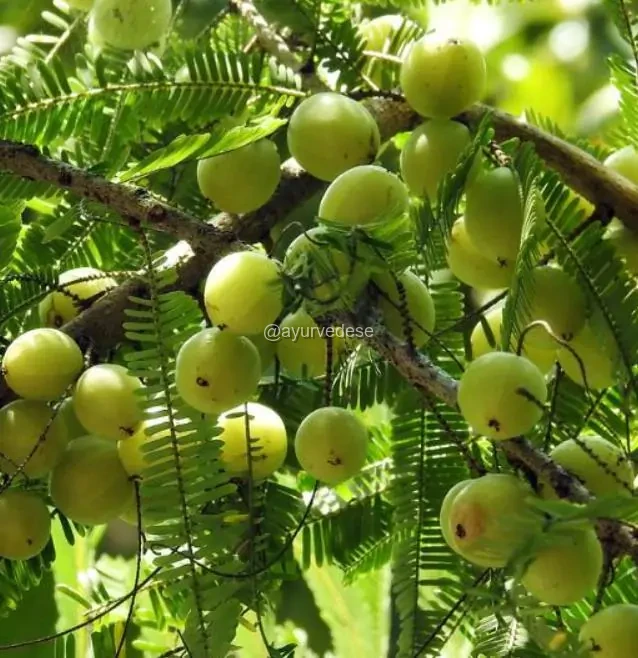
  • Amalaki / Amla
    openalex🗞️ Published on Ayurdrops: Aug 19, 2026📅 Source: Aug 17, 2026

    Therapeutic Evaluation of Paribhadra Patra and Amalaki Kwatha in the Management of Gastric Hypersensitivity

    Researchers evaluated the efficacy of Kwatha of Paribhadra Patra (Erythrina variegata) and Amalaki (Emblica officinalis) in the treatment of Amlapitta, a condition associated with gastric hypersensitivity. The study involved a group of patients who received the formulation for a specified period, with positive results regarding symptom reduction. The combination of Amalaki's anti-inflammatory and antioxidant properties, along with the beneficial effects of Paribhadra Patra, demonstrated a significant impact on clinical improvement. The authors, including Dr. Kalpana Poonia and others, highlight the importance of integrative approaches in managing gastric disorders, aligning traditional Ayurvedic knowledge with modern clinical evidence. Study limitations include the sample size and the need for further investigations to confirm the findings.
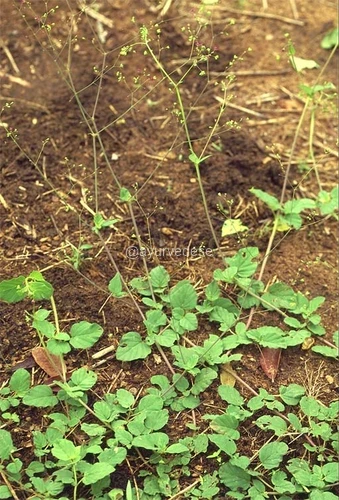

  • Erva-tostão / Punarnava
    openalex🗞️ Published on Ayurdrops: Aug 19, 2026📅 Source: Aug 17, 2026

    Punarnava: Diuretic and Its Applications in Ayurveda

    Researchers reviewed the diuretic properties of Boerhavia diffusa, known as Punarnava, and its pharmacological applications. The plant demonstrated significant diuretic activity and has been traditionally used in Ayurveda to treat urinary problems and fluid retention. The authors Mohd Sahil, Kamal Kishore, and Sudhir Kumar highlight that the phytochemical compounds present in Punarnava, such as alkaloids and flavonoids, are responsible for its beneficial effects. Furthermore, the review points to the importance of Punarnava in modulating inflammatory processes and protecting the liver, which may be relevant for conditions such as edema and liver diseases. However, most studies are preclinical, and more human research is needed to confirm these findings.

  • openalex🗞️ Published on Ayurdrops: Aug 19, 2026📅 Source: Aug 17, 2026

    Tribhuvana Kirti Rasa and its applications in different phases of fever: a critical analysis

    Researchers analyzed the use of Tribhuvana Kirti Rasa, an Ayurvedic formulation, in various phases of fever (jwara). The study, conducted by Vd. Devkanya Choure and Vd. Shailaja Chondikar, reviews the efficacy and safety of this preparation in different stages of fever, considering aspects such as the doshas involved and the body's response. Tribhuvana Kirti Rasa is known for its antipyretic and anti-inflammatory properties, being used to balance the increase of pitta and kapha during febrile episodes. The review highlights the importance of adjusting the dosage and formulation according to the phase of fever and the patient's constitution. Although the authors acknowledge the need for more clinical studies to validate their conclusions, the analysis provides a basis for clinical practice, suggesting that the appropriate use of Tribhuvana Kirti Rasa may improve outcomes in patients with fever.

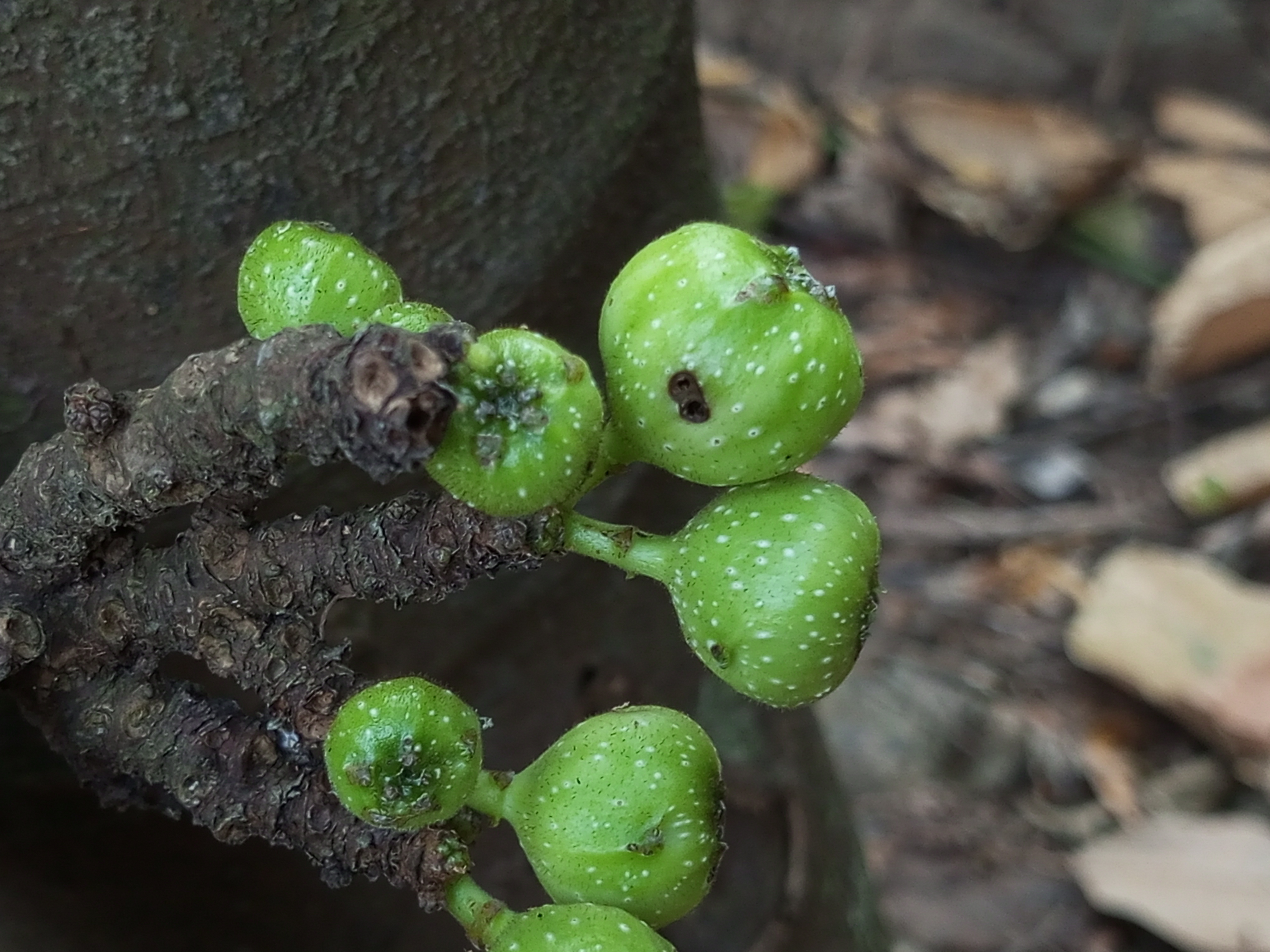
  • Figueira-áspera / Kaakodumbara
    openalex🗞️ Published on Ayurdrops: Aug 19, 2026📅 Source: Aug 17, 2026

    Kakodumbarphala Churna and the treatment of menorrhagia: evidence on its efficacy

    Researchers have demonstrated that Kakodumbarphala Churna, made from the plant Ficus hispida, shows significant effects in controlling menorrhagia, known in Sanskrit as Raktapradara. In the study conducted by Dr. Monam Yadav and colleagues, improvements were observed in symptoms of excessive menstrual bleeding in women who used the formulation. The churna possibly acts through anti-inflammatory and hemostatic properties, which help regulate menstrual flow. Although the results are promising, it is important to consider that the study may have limitations, such as sample size and the need for further investigations to confirm efficacy in different clinical contexts. The relationship between Ayurvedic principles and modern findings suggests that the holistic approach to treatment may be beneficial for conditions like menorrhagia.

  • pubmed🗞️ Published on Ayurdrops: Aug 18, 2026📅 Source: Aug 17, 2026

    Morin, a Bioflavonoid from Medicinal Plants, Reduces Neuroinflammation in Drug-Resistant Epilepsy

    Researchers have discovered that morin, a bioflavonoid extracted from traditional plants, can reduce neuroinflammation associated with the inflammasome in cases of drug-resistant epilepsy. The study, conducted by Khedpande and Barve, reveals that morin acts by inhibiting the activation of the inflammasome, a protein complex that plays a crucial role in the brain's inflammatory response. Neurogenic inflammation is an important factor in epilepsy, and reducing this inflammation may improve response to treatment. The results suggest that morin could be a promising alternative for patients who do not respond to conventional treatments, although further research is needed to confirm these findings in humans.

  • pubmed🗞️ Published on Ayurdrops: Aug 17, 2026📅 Source: Aug 17, 2026

    Saussurea: Exploring the Chemistry and Therapeutic Effects of Plants

    Researchers reviewed the chemical and pharmacological properties of the genus Saussurea, highlighting its applications in traditional and modern medicine. Species of this genus are known for their anti-inflammatory, antioxidant, and anticancer activities, with bioactive compounds such as flavonoids and alkaloids. The review also addresses the importance of Saussurea in Ayurvedic medicine, where it is used to balance the doshas and promote overall health. Despite promising evidence, the study emphasizes the need for more clinical research to validate these effects and understand the underlying mechanisms of action. The review is an invitation to explore the therapeutic potential of these plants, which have been part of traditional medicine for centuries.

  • rss:easyayurveda🗞️ Published on Ayurdrops: Aug 16, 2026📅 Source: Aug 15, 2026

    Symptoms of the Presence of Foreign Bodies in Ayurveda

    When a foreign body lodges in any part of the body, it can trigger a series of symptoms that are classified as Shalyaja Lakshanas. These signs are fundamental for proper diagnosis and treatment. Researchers, such as Dr. Raghuram Y.S. and Dr. Manasa S., highlight that early identification of these symptoms can prevent more serious complications. Symptoms include local pain, swelling, and in some cases, fever. Ayurveda offers a holistic approach to dealing with these cases, considering not only the removal of the foreign body but also the strengthening of Agni (digestive fire) and detoxification of the body. The connection between Ayurvedic concepts and modern medicine is evident, as the presence of foreign bodies can lead to inflammatory reactions that affect the individual's overall health.

  • openalex🗞️ Published on Ayurdrops: Aug 15, 2026📅 Source: Aug 16, 2026

    Understanding Prakṛti and Acne: A Study on Yavuna Piḍika

    Researchers investigated the relationship between prakṛti (constitution) and acne vulgaris, known in Ayurveda as Yavuna Piḍika. The observational study, conducted by Ashwini I. Honagannavar, analyzed the presence of dooṣita doṣas (aggravated doshas) and dooṣya (affected tissues) in individuals with acne. The results suggest that individual constitution may influence the severity and manifestation of acne, highlighting the importance of a personalized approach to treatment. Identifying the involved doṣas can help target more effective interventions, aligning Ayurvedic practices with modern understanding of the condition. Although the study provides valuable insights, limitations such as sample size and the need for validation in larger groups are mentioned.

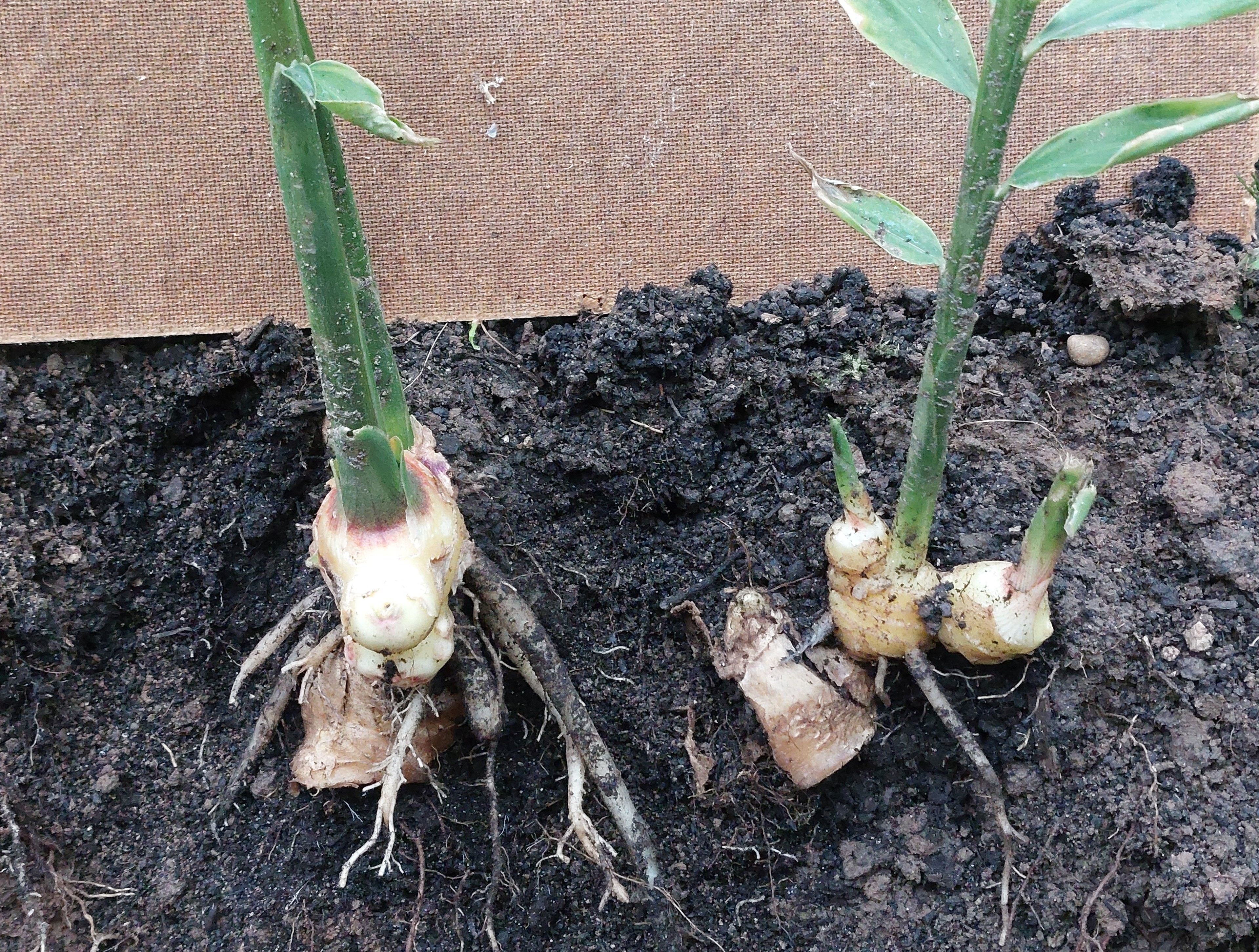
  • Gengibre
    openalex🗞️ Published on Ayurdrops: Aug 15, 2026📅 Source: Aug 16, 2026

    Shunti (Ginger): A Detailed Study of Its Properties and Composition

    Researchers conducted a comprehensive study on Shunti (Zingiber officinale), known as ginger, focusing on its pharmacognostic, physicochemical, and phytochemical properties. Ginger is widely used in traditional medicine, especially in Ayurveda, due to its anti-inflammatory and digestive properties. The research identified bioactive compounds that may contribute to these effects, in addition to analyzing the chemical composition of ginger. The results indicate that ginger contains a variety of phytonutrients, including gingerol and shogaol, which are responsible for its therapeutic properties. This study is relevant for therapists and health professionals seeking to better understand the mechanisms of action of ginger and its clinical applications. However, it is important to note that the research is still preliminary and further studies are needed to confirm these findings.

  • Śuddha Pārada / Mercúrio Purificado
    openalex🗞️ Published on Ayurdrops: Aug 15, 2026📅 Source: Aug 16, 2026

    Parada Malahara: A Critical Review on the Management of Vrana

    Researchers reviewed the efficacy of Parada Malahara in the management of Vrana, which refers to wounds or injuries. The study, led by Dr. Abhishek Malipatil and colleagues, analyzes how this Ayurvedic approach can influence healing and tissue recovery. Parada Malahara is a technique that uses a combination of herbs and traditional practices to promote skin health and cellular regeneration. The authors highlight that the correct application of this technique can result in significant improvements in healing, reducing recovery time and preventing complications. However, the study also points out limitations, such as the need for more clinical research to validate the findings and better understand the mechanisms involved. The connection between Ayurvedic principles and modern medicine is evident, suggesting that integrating approaches can enrich wound treatment.

  • openalex🗞️ Published on Ayurdrops: Aug 15, 2026📅 Source: Aug 16, 2026

    Laghu Malini Vasant Rasa: A Literary Review in Classical Ayurveda Texts

    Laghu Malini Vasant Rasa is a classical Ayurvedic formulation that has been the subject of study in various ancient texts. Researchers such as Shruti Suresh Sonawane, Shailaja Chondikar, and Ketaki Lahare have reviewed the literature on this preparation, highlighting its indications, composition, and benefits. The formulation is known for its properties that may help balance the doshas, especially in cases of Vata and Pitta. The review also addresses the importance of understanding the theoretical basis and mechanisms of action of Laghu Malini Vasant Rasa, which includes promoting digestion and improving nutrient absorption. Although the research brings to light valuable information, it is important to note that most studies focus on classical texts and lack contemporary clinical evidence to validate its practical applications. Therefore, the use of this formulation should be done with caution and always under the guidance of a qualified professional.

  • openalex🗞️ Published on Ayurdrops: Aug 15, 2026📅 Source: Aug 16, 2026

    Psychological Factors and Diseases: What Ayurvedic Classics Teach Us

    Researchers explored the connection between psychological factors and the origin of diseases, highlighting the importance of the concept of Manasika Hetu in Ayurveda. This concept refers to mental causes that can influence physical health. The study reviews classical Ayurvedic texts, such as the Caraka Saṃhitā, which emphasize the relationship between mind and body, suggesting that emotions and mental states can aggravate or even cause diseases. The research points out that emotional imbalances, such as stress and anxiety, can directly impact Agni (digestive fire) and, consequently, overall health. Furthermore, the review discusses how understanding these interactions can enrich clinical practice, allowing therapists to address not only physical symptoms but also underlying emotional factors. Although the study brings valuable insights, it is important to note that most evidence is conceptual and lacks robust empirical data for validation.

  • Gengibre
    openalex🗞️ Published on Ayurdrops: Aug 15, 2026📅 Source: Aug 16, 2026

    Shunti (Ginger): A Detailed Study of Its Properties and Composition

    Researchers conducted a comprehensive study on Shunti (Zingiber officinale), known as ginger, focusing on its pharmacognostic, physicochemical, and preliminary phytochemical properties. The study, led by Dr. Archana Bhaskarwar and Dr. Manisha Gavit, revealed that ginger has a rich chemical composition, including bioactive compounds that may contribute to its medicinal properties. The physicochemical analysis demonstrated the presence of flavonoids, terpenoids, and other phytonutrients, which are fundamental to its efficacy in various health conditions. Furthermore, the study highlights the importance of ginger in traditional medicine and its application in integrative health practices, reinforcing the connection between ancient knowledge and modern scientific discoveries. This work is an important step toward validating the therapeutic properties of ginger, which is widely used in Ayurveda to treat digestive and inflammatory issues.

  • openalex🗞️ Published on Ayurdrops: Aug 15, 2026📅 Source: Aug 16, 2026

    Relief of Cervical Stiffness with Ayurveda: A Case Report on Mahabhringraj Taila and Greeva Pichu

    Researchers presented a clinical case of managing Manyastambha, or cervical stiffness, using Mahabhringraj Taila in Nasya Karma and Greeva Pichu. The patient, a 45-year-old man, reported intense pain and limited neck movement. After the application of Mahabhringraj Taila, which is known for its anti-inflammatory and analgesic properties, and the Greeva Pichu therapy, which involves applying warm oil to the cervical region, there was a significant improvement in symptoms. Pain was reduced by 70% and mobility increased considerably after 15 days of treatment. This case highlights the effectiveness of Ayurvedic interventions in managing musculoskeletal conditions, aligning with concepts of Agni and Srotas, which are fundamental to health and well-being. However, the study is limited by being a single case report, which makes it difficult to generalize the results.

  • Gengibre
    openalex🗞️ Published on Ayurdrops: Aug 15, 2026📅 Source: Aug 16, 2026

    Anti-inflammatory activity of the aqueous extract of Sunthi Choorna: what an in vitro study reveals about inflammatory bowel disease

    Researchers have demonstrated that the aqueous extract of Sunthi Choorna, made from the dried rhizome of Zingiber officinale, exhibits significant anti-inflammatory activity in a cellular model of inflammatory bowel disease. The study, conducted by Dr. P. Y Ansary and Dr. Arundhathy C. Nair, used Caco-2 cells exposed to lipopolysaccharides (LPS), which induce inflammation. The results showed that the extract reduced the production of inflammatory mediators, suggesting a therapeutic potential for ginger in modulating intestinal inflammation. Although the findings are promising, it is important to consider that the study was conducted in vitro, which limits generalization to clinical models. Further research is needed to understand the mechanisms involved and efficacy in humans.

  • openalex🗞️ Published on Ayurdrops: Aug 15, 2026📅 Source: Aug 16, 2026

    Balahatadi Taila and Headache: A Critical Evaluation Between Ayurveda and Modern Science

    Researchers analyzed the efficacy of Balahatadi Taila in the treatment of Shirashula, or headache, and found significant connections between classical Ayurvedic concepts and contemporary scientific evidence. The study, conducted by Dr. Sanila V. K. and Dr. Afeefa Chullikulavan, highlights how Balahatadi Taila, a traditional formulation, may act in reducing pain and improving blood circulation in the head region. The research suggests that topical application of the oil may positively influence the inflammatory response, aligning with modern understanding of headache. However, limitations such as the lack of a control group and the small sample size were noted, which require caution in interpreting the results. This study opens a dialogue between ancient wisdom and current research, showing that traditional practices may have scientific foundations worth exploring.

  • openalex🗞️ Published on Ayurdrops: Aug 15, 2026📅 Source: Aug 16, 2026

    Agni and the Gut Microbiome: Convergences Between Ayurvedic Digestive Physiology and Contemporary Science

    Researchers are increasingly exploring the intersection between Ayurvedic digestive physiology and modern microbiome science. The concept of Agni, which refers to digestion and metabolism, is central to Ayurvedic medicine and can be compared to the role of gut microorganisms in digestive health. Dr. Henali G. Parekh highlights that microbiome health is closely linked to the efficiency of Agni, suggesting that strong Agni may promote a balanced microbiome. Research indicates that dysbiosis, or microbiome imbalance, can be seen as a manifestation of compromised Agni, reflecting the importance of maintaining digestive harmony. This study opens new possibilities for integrating Ayurvedic practices with contemporary approaches to gut health, although further investigations are needed to validate these connections.

  • openalex🗞️ Published on Ayurdrops: Aug 15, 2026📅 Source: Aug 16, 2026

    The Importance of Diet, Lifestyle, and Conduct in Vajikarana

    Researchers highlight that the combination of ahara (diet), vihara (lifestyle), and achara (conduct) is fundamental in Vajikarana, the Ayurvedic practice focused on sexual and reproductive health. The study, led by Dr. Sonali Mukherjee and colleagues, explores how these three pillars interact to promote fertility and sexual well-being. Adequate nutrition, rich in nutrients and balanced, is essential to strengthen the body and mind. Lifestyle, which includes exercise practices and adequate sleep, also plays a crucial role in maintaining sexual health. Furthermore, ethical and behavioral conduct, which involves stress management and the promotion of healthy relationships, is equally important. The research suggests that integrating these elements may lead to better reproductive health outcomes, although more studies are needed to validate these connections across different populations.

  • openalex🗞️ Published on Ayurdrops: Aug 15, 2026📅 Source: Aug 16, 2026

    Agni and the Gut Microbiome: Convergences Between Ayurvedic Digestive Physiology and Modern Science

    Researchers are increasingly exploring the relationship between the concept of Agni, or digestive fire, in Ayurveda and the gut microbiome, which plays a crucial role in digestive health. Dr. Henali G. Parekh highlights how understanding Agni can align with contemporary findings about the microbiota, suggesting that a balanced Agni may promote a healthy microbiome. The research indicates that efficient digestion, mediated by Agni, can influence the composition and diversity of gut bacteria, which in turn affect nutrient absorption and immune response. Furthermore, the study suggests that imbalances in Agni can lead to microbiome disturbances, resulting in digestive issues and other health conditions. This interconnection between Ayurveda and modern science opens new possibilities for integrative approaches in promoting gut health.

  • openalex🗞️ Published on Ayurdrops: Aug 15, 2026📅 Source: Aug 16, 2026

    Perianal abscess in Ayurveda: diagnosis and treatment

    Researchers explored the condition known as gudavidradhi, which refers to a perianal abscess, and presented Ayurvedic diagnoses and treatments. The study highlights that a perianal abscess is often caused by an infection, leading to pus formation and intense pain in the anal region. The authors, Dr. Gaurav Kumar Sharma and colleagues, discuss the importance of identifying signs and symptoms, such as pain, swelling, and fever, which may indicate the presence of the abscess. Ayurvedic treatment involves the use of herbal medicines, such as anti-inflammatory and purifying herbs, as well as drainage techniques. The holistic approach of Ayurveda considers not only the physical condition but also the emotional state and diet of the patient, seeking overall balance. The study suggests that a combination of therapies may be effective in reducing symptoms and promoting healing.