Public feed

Ayurvedic editorial curation

Science articles classified by dosha, srota and dhatu. Filter to find what matters to you today.

  • openalex🗞️ Published on Ayurdrops: Aug 20, 2026📅 Source: Aug 18, 2026

    Understanding Difficulties in Sleeping in Autism Spectrum Disorders through Ayurveda

    Researchers have identified that sleep disturbances are common in individuals with Autism Spectrum Disorder (ASD), significantly affecting quality of life. The study explores how Ayurveda can offer a unique perspective on these disturbances, considering factors such as dosha imbalance and the importance of Agni (digestion). The relationship between Vata and Pitta, which may be exacerbated in cases of ASD, is discussed, suggesting that the Ayurvedic approach can help restore balance and improve sleep. The research highlights the need for personalized interventions, taking into account the individual characteristics of each patient. Although the study presents valuable insights, limitations such as the small sample size and lack of longitudinal data are mentioned, indicating that further investigation is needed to validate the conclusions.
  • openalex🗞️ Published on Ayurdrops: Aug 20, 2026📅 Source: Aug 18, 2026

    The role of Ayurveda as a complement in modern oncology: Rasayana therapy and supportive care

    Researchers highlight the importance of Ayurveda as a complementary approach in cancer treatment, emphasizing Rasayana therapy. This study, conducted by Uday Lawate, explores how Ayurvedic practices can offer support during oncological treatment, improving patients' quality of life. Rasayana therapy, known for its rejuvenating properties, is presented as a strategy to mitigate the side effects of chemotherapy and radiotherapy, promoting recovery and overall well-being. The authors discuss the integration of Ayurvedic practices with conventional treatments, suggesting that this combination may result in better clinical outcomes. Although the results are promising, the study also acknowledges the need for further research to validate these findings and better understand the mechanisms involved.

  • openalex🗞️ Published on Ayurdrops: Aug 20, 2026📅 Source: Aug 18, 2026

    Understanding Sleep Difficulties in Autism Spectrum Disorders through Ayurveda

    Researchers point out that sleep difficulties are common in individuals with autism spectrum disorders (ASD), significantly affecting quality of life. In the Ayurvedic context, these disturbances can be related to imbalances in the doshas, especially Vāta, which is associated with the mind and nervous system. The study by Keerthi and Sohini S. explores how Ayurvedic practices, such as the use of herbs and routine adjustments, can help restore balance and promote more restorative sleep. The approach includes consideration of Agni (digestion) and the importance of a calm sleep environment. Although the study provides valuable insights, it is important to note that the research is still in its early stages and further investigations are needed to validate these practices.

  • openalex🗞️ Published on Ayurdrops: Aug 20, 2026📅 Source: Aug 18, 2026

    Understanding Health through the Panchakosha: An Ayurvedic Perspective

    Health, from the Ayurvedic perspective, is a multifaceted concept that can be best understood through the five koshas, or layers of being. G. Nanma explores how these levels—Annamaya (physical), Pranamaya (energetic), Manomaya (mental), Vijnanamaya (intellectual), and Anandamaya (spiritual)—interact and influence overall health. The holistic approach of Ayurveda suggests that health is not merely the absence of disease but a state of balance among these layers. The study proposes that understanding and integrating the koshas can lead to more effective health promotion and disease prevention practices. Although the research is theoretical and does not include empirical data, it offers a foundation for future investigations into how Ayurvedic practices can be applied in modern healthcare.

  • openalex🗞️ Published on Ayurdrops: Aug 20, 2026📅 Source: Aug 18, 2026

    Understanding Health through the Panchakosha: An Ayurvedic Perspective

    Health in Ayurveda is often understood through the concept of Panchakosha, which describes five layers of existence that make up the human being: Annamaya, Pranamaya, Manomaya, Vijnanamaya, and Anandamaya. Each of these layers represents different aspects of health and well-being, from the physical body to the spiritual dimension. The author G Nanma explores how the interaction between these layers can influence overall health, emphasizing the importance of balance among them. The research suggests that health is not merely the absence of disease but a state of harmony between body, mind, and spirit. The study proposes that Ayurvedic practices, such as meditation and mindful eating, can help strengthen these layers, promoting holistic health. Although the article presents a comprehensive view, limitations such as the lack of empirical data and the need for further clinical studies are acknowledged.

  • pubmed🗞️ Published on Ayurdrops: Aug 20, 2026📅 Source: Jan 01, 2026

    Guluchyadi Kashayam and its action against Helicobacter pylori: an in vitro and in silico analysis

    Researchers investigated the anti-Helicobacter pylori activity of Guluchyadi Kashayam, an Ayurvedic formulation, using in vitro and in silico analyses. The authors, including Venugopal P and Koshy AJ, demonstrated that the compounds present in the formula have the potential to inhibit the bacterium, which is known to cause gastritis and gastric ulcers. The research revealed that the antimicrobial activity may be related to the interaction of phytocompounds with the bacterium's proteins, suggesting a mechanism of action that could be explored for the development of new treatments. Although the results are promising, the research was conducted under laboratory conditions, which limits the generalization of the findings to direct clinical applications. Additional studies are needed to validate these results in clinical models.

  • Brahmi / Bacopa
    pubmed🗞️ Published on Ayurdrops: Aug 20, 2026📅 Source: Aug 19, 2026

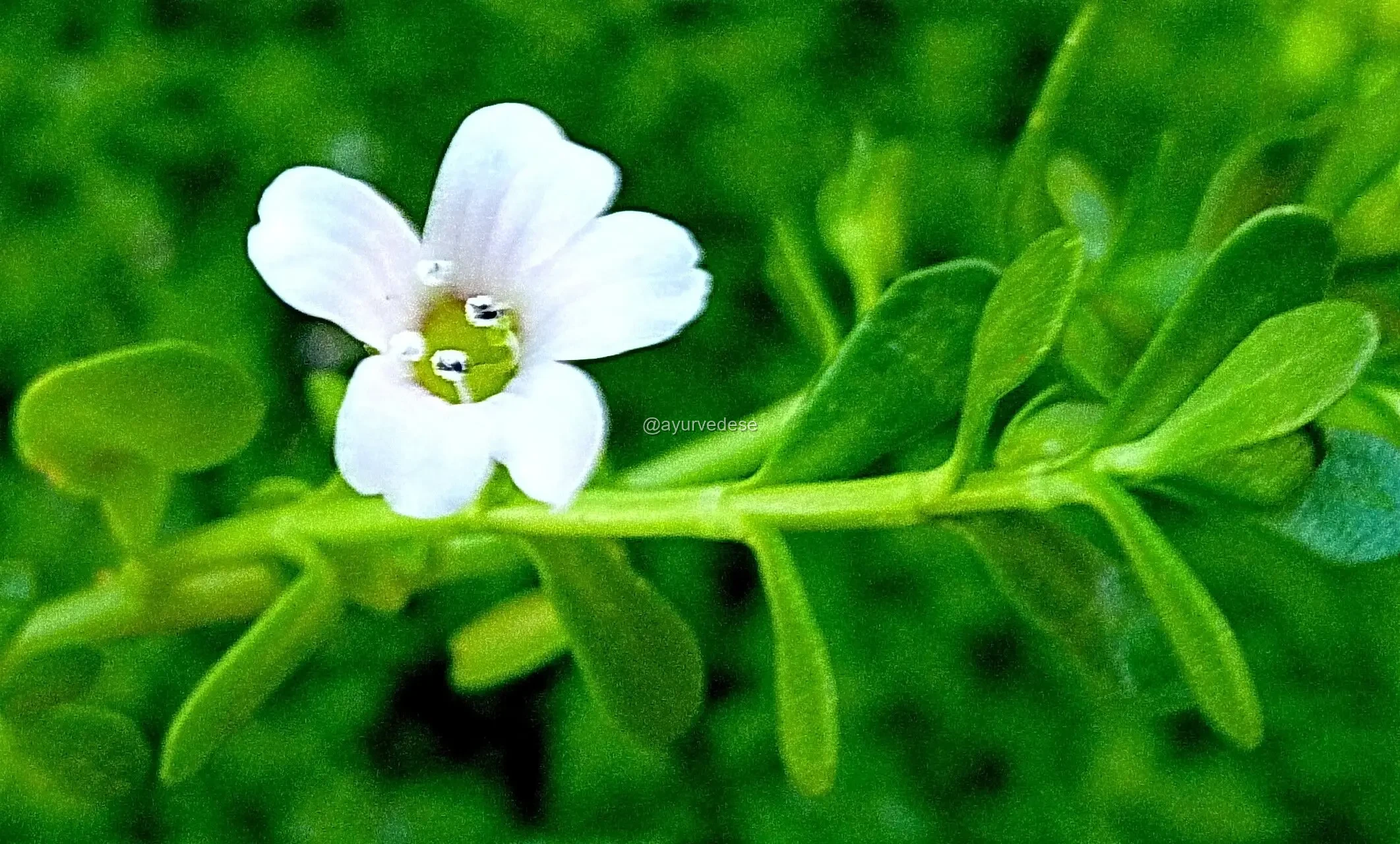
    Bacopa and Alzheimer's: Mechanical Convergences and Cognitive Outcomes

    Researchers highlight that Bacopa monnieri may play a significant role in modulating neurodegenerative processes associated with Alzheimer's disease. The study reviews evidence showing how Bacopa acts on mechanisms such as reducing oxidative stress and regulating brain inflammation, crucial factors in Alzheimer's pathology. The authors, Kumawat A, Sharma MM, and Nathani S, point out that Bacopa may improve cognitive function in experimental models, suggesting a therapeutic potential that warrants further investigation. Although the results are promising, it is important to note that most studies were conducted in animal models, which limits the generalization of findings to humans. The relationship between Ayurvedic principles and the mechanisms observed in modern research may open new perspectives for the use of Bacopa in clinical practice.

  • Leite de Vaca
    rss:maharishi🗞️ Published on Ayurdrops: Aug 19, 2026📅 Source: Aug 18, 2026

    Ayurvedic Fasting Guide for Janmashtami: What to Eat, Drink, and Avoid

    Fasting during Janmashtami should be sattvik, light, and personalized, promoting not only devotion but also internal balance. In Ayurveda, fasting is seen as a way to give rest to digestion and support Agni, or digestive fire, helping to reduce the feeling of heaviness. It is important that the fast is adapted to your dosha: Vata benefits from warm and nourishing foods, Pitta from cooling options, and Kapha from a lighter fast. Recommended foods include fruits, milk, soaked nuts, and herbal teas, while heavy foods, fried items, and stimulants should be avoided. Fasting is not limited to food alone but also involves reducing negative emotions and harmful behaviors, aligning with the concept of Achara Rasayana, which emphasizes correct conduct for well-being.

  • Erva-tostão / Punarnava
    openalex🗞️ Published on Ayurdrops: Aug 19, 2026📅 Source: Aug 16, 2026

    Punarnavadi Basti and its efficacy in ankylosing spondylitis: a case study

    Researchers have demonstrated that Punarnavadi Basti, an Ayurvedic therapy, can bring significant relief to patients with Trikgrah, or ankylosing spondylitis. In this case study, conducted by Dr. Sakshi Sharma and colleagues, a patient showed reduced pain and improved mobility after the application of the treatment. Punarnavadi Basti, which involves the administration of medicated oil via the rectal route, works on balancing the doshas and detoxifying the body, promoting joint health. The results indicate that the therapy may be a viable option for managing the symptoms of this chronic condition, although more studies are needed to validate these findings in larger populations. The research highlights the importance of integrative approaches in the treatment of autoimmune diseases.

  • openalex🗞️ Published on Ayurdrops: Aug 19, 2026📅 Source: Aug 16, 2026

    Therapeutic Utility of Panna Bhasma: Classical and Contemporary Review

    Researchers reviewed the therapeutic utility of Panna Bhasma, a traditional mineral preparation in Ayurveda, highlighting its applications in various health conditions. The study, conducted by Dr. Heena Sheikh, Dr. Dipika Kinkar, and Nitin Urmaliya, analyzes both classical literature and contemporary evidence on the use of Panna Bhasma. This preparation is known for its anti-inflammatory and antioxidant properties, being used in treatments for diseases such as diabetes and respiratory conditions. The review also discusses the mechanisms of action of Panna Bhasma, which include modulation of the immune system and promotion of homeostasis. Despite the promising therapeutic applications, the authors emphasize the need for more rigorous clinical studies to validate these properties and better understand the safety and efficacy of Panna Bhasma in different clinical contexts.

  • Erva-tostão / Punarnava
    openalex🗞️ Published on Ayurdrops: Aug 19, 2026📅 Source: Aug 17, 2026

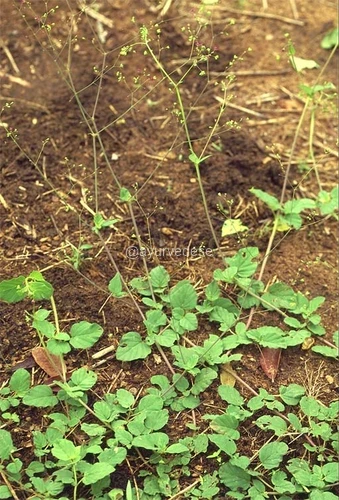
    Punarnava: Natural Diuretic and Its Applications in Ayurveda

    Researchers highlight the diuretic activity of Boerhavia diffusa, known as Punarnava, which has been used in traditional medicine to treat conditions related to fluid retention and kidney problems. The study reviews its pharmacological properties, including the ability to promote urine excretion and improve kidney function. Additionally, relevant phytochemical compounds, such as alkaloids and flavonoids, have been identified that may contribute to these effects. The research also suggests that Punarnava may play a role in modulating inflammatory processes and protecting against kidney damage. However, it is important to note that much of the data comes from in vitro studies and animal models, which limits the generalization of results to humans. The connection between modern findings and Ayurvedic principles is clear, as Punarnava is traditionally recognized for its cleansing and tissue-rejuvenating properties.

  • Śaṅkhapuṣpī
    openalex🗞️ Published on Ayurdrops: Aug 19, 2026📅 Source: Aug 17, 2026

    Comparison between Convolvulus pluricaulis and Evolvulus alsinoides: what a rat study reveals about the mind

    Researchers investigated the effects of two herbs known for their cognitive properties, Convolvulus pluricaulis and Evolvulus alsinoides, in healthy Wistar albino rats. The study, conducted by Dr. Harshwardhan Singh Shekhawat and colleagues, focused on evaluating Medhya Karma, which refers to the intellectual and memory potential of the plants. The results showed that both herbs had positive effects on cognitive function, but with significant differences in their mechanisms of action. Behavioral tests indicated that Convolvulus pluricaulis had a more pronounced impact on short-term memory, while Evolvulus alsinoides demonstrated benefits in long-term memory. These findings may have important implications for the use of these herbs in Ayurvedic clinical practice, especially in conditions affecting cognition. However, it is important to note that the study was conducted in an animal model, which limits the generalization of the results to humans.

  • Amalaki / Amla
    openalex🗞️ Published on Ayurdrops: Aug 19, 2026📅 Source: Aug 17, 2026

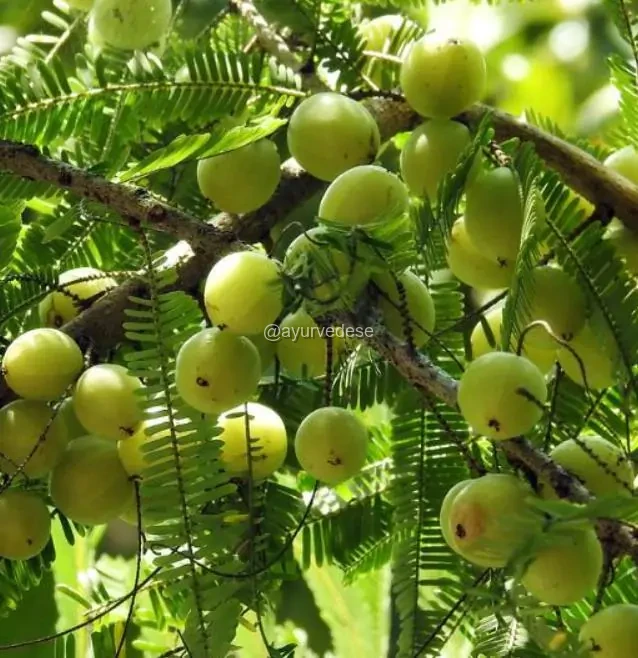
    Therapeutic Evaluation of Paribhadra Patra and Amalaki Kwatha in the Management of Gastric Hypersensitivity

    Researchers evaluated the efficacy of Kwatha of Paribhadra Patra (Erythrina variegata) and Amalaki (Emblica officinalis) in the treatment of Amlapitta, a condition associated with gastric hypersensitivity. The study involved a group of patients who received the formulation for a specified period, with positive results regarding symptom reduction. The combination of Amalaki's anti-inflammatory and antioxidant properties, along with the beneficial effects of Paribhadra Patra, demonstrated a significant impact on clinical improvement. The authors, including Dr. Kalpana Poonia and others, highlight the importance of integrative approaches in managing gastric disorders, aligning traditional Ayurvedic knowledge with modern clinical evidence. Study limitations include the sample size and the need for further investigations to confirm the findings.

  • Erva-tostão / Punarnava
    openalex🗞️ Published on Ayurdrops: Aug 19, 2026📅 Source: Aug 17, 2026

    Punarnava: Diuretic and Its Applications in Ayurveda

    Researchers reviewed the diuretic properties of Boerhavia diffusa, known as Punarnava, and its pharmacological applications. The plant demonstrated significant diuretic activity and has been traditionally used in Ayurveda to treat urinary problems and fluid retention. The authors Mohd Sahil, Kamal Kishore, and Sudhir Kumar highlight that the phytochemical compounds present in Punarnava, such as alkaloids and flavonoids, are responsible for its beneficial effects. Furthermore, the review points to the importance of Punarnava in modulating inflammatory processes and protecting the liver, which may be relevant for conditions such as edema and liver diseases. However, most studies are preclinical, and more human research is needed to confirm these findings.

  • openalex🗞️ Published on Ayurdrops: Aug 19, 2026📅 Source: Aug 17, 2026

    Tribhuvana Kirti Rasa and its applications in different phases of fever: a critical analysis

    Researchers analyzed the use of Tribhuvana Kirti Rasa, an Ayurvedic formulation, in various phases of fever (jwara). The study, conducted by Vd. Devkanya Choure and Vd. Shailaja Chondikar, reviews the efficacy and safety of this preparation in different stages of fever, considering aspects such as the doshas involved and the body's response. Tribhuvana Kirti Rasa is known for its antipyretic and anti-inflammatory properties, being used to balance the increase of pitta and kapha during febrile episodes. The review highlights the importance of adjusting the dosage and formulation according to the phase of fever and the patient's constitution. Although the authors acknowledge the need for more clinical studies to validate their conclusions, the analysis provides a basis for clinical practice, suggesting that the appropriate use of Tribhuvana Kirti Rasa may improve outcomes in patients with fever.

  • Figueira-áspera / Kaakodumbara
    openalex🗞️ Published on Ayurdrops: Aug 19, 2026📅 Source: Aug 17, 2026

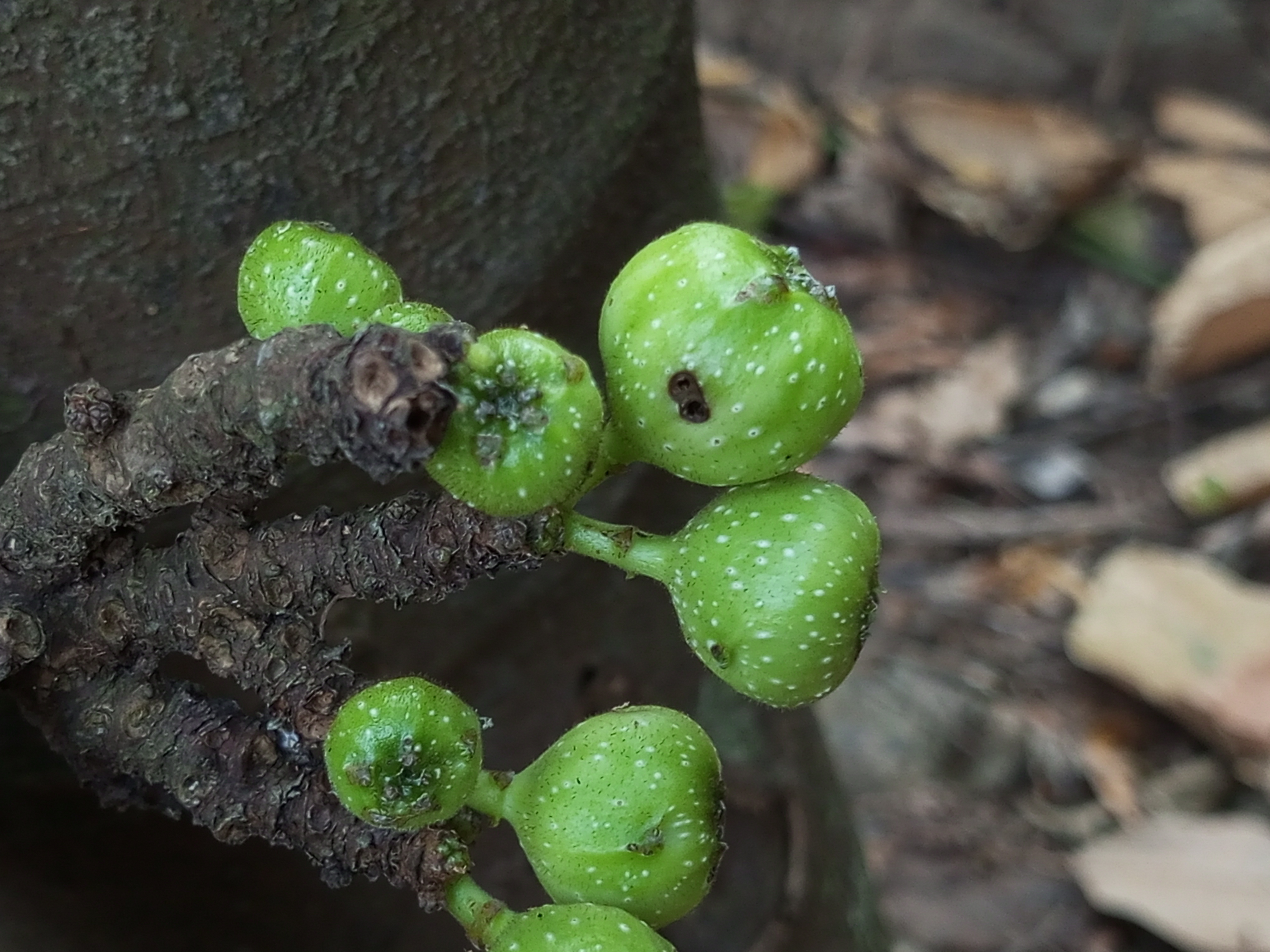
    Kakodumbarphala Churna and the treatment of menorrhagia: evidence on its efficacy

    Researchers have demonstrated that Kakodumbarphala Churna, made from the plant Ficus hispida, shows significant effects in controlling menorrhagia, known in Sanskrit as Raktapradara. In the study conducted by Dr. Monam Yadav and colleagues, improvements were observed in symptoms of excessive menstrual bleeding in women who used the formulation. The churna possibly acts through anti-inflammatory and hemostatic properties, which help regulate menstrual flow. Although the results are promising, it is important to consider that the study may have limitations, such as sample size and the need for further investigations to confirm efficacy in different clinical contexts. The relationship between Ayurvedic principles and modern findings suggests that the holistic approach to treatment may be beneficial for conditions like menorrhagia.

  • pubmed🗞️ Published on Ayurdrops: Aug 18, 2026📅 Source: Aug 17, 2026

    Morin, a Bioflavonoid from Medicinal Plants, Reduces Neuroinflammation in Drug-Resistant Epilepsy

    Researchers have discovered that morin, a bioflavonoid extracted from traditional plants, can reduce neuroinflammation associated with the inflammasome in cases of drug-resistant epilepsy. The study, conducted by Khedpande and Barve, reveals that morin acts by inhibiting the activation of the inflammasome, a protein complex that plays a crucial role in the brain's inflammatory response. Neurogenic inflammation is an important factor in epilepsy, and reducing this inflammation may improve response to treatment. The results suggest that morin could be a promising alternative for patients who do not respond to conventional treatments, although further research is needed to confirm these findings in humans.

  • pubmed🗞️ Published on Ayurdrops: Aug 17, 2026📅 Source: Aug 17, 2026

    Saussurea: Exploring the Chemistry and Therapeutic Effects of Plants

    Researchers reviewed the chemical and pharmacological properties of the genus Saussurea, highlighting its applications in traditional and modern medicine. Species of this genus are known for their anti-inflammatory, antioxidant, and anticancer activities, with bioactive compounds such as flavonoids and alkaloids. The review also addresses the importance of Saussurea in Ayurvedic medicine, where it is used to balance the doshas and promote overall health. Despite promising evidence, the study emphasizes the need for more clinical research to validate these effects and understand the underlying mechanisms of action. The review is an invitation to explore the therapeutic potential of these plants, which have been part of traditional medicine for centuries.

  • rss:easyayurveda🗞️ Published on Ayurdrops: Aug 16, 2026📅 Source: Aug 15, 2026

    Symptoms of the Presence of Foreign Bodies in Ayurveda

    When a foreign body lodges in any part of the body, it can trigger a series of symptoms that are classified as Shalyaja Lakshanas. These signs are fundamental for proper diagnosis and treatment. Researchers, such as Dr. Raghuram Y.S. and Dr. Manasa S., highlight that early identification of these symptoms can prevent more serious complications. Symptoms include local pain, swelling, and in some cases, fever. Ayurveda offers a holistic approach to dealing with these cases, considering not only the removal of the foreign body but also the strengthening of Agni (digestive fire) and detoxification of the body. The connection between Ayurvedic concepts and modern medicine is evident, as the presence of foreign bodies can lead to inflammatory reactions that affect the individual's overall health.

  • openalex🗞️ Published on Ayurdrops: Aug 15, 2026📅 Source: Aug 16, 2026

    Understanding Prakṛti and Acne: A Study on Yavuna Piḍika

    Researchers investigated the relationship between prakṛti (constitution) and acne vulgaris, known in Ayurveda as Yavuna Piḍika. The observational study, conducted by Ashwini I. Honagannavar, analyzed the presence of dooṣita doṣas (aggravated doshas) and dooṣya (affected tissues) in individuals with acne. The results suggest that individual constitution may influence the severity and manifestation of acne, highlighting the importance of a personalized approach to treatment. Identifying the involved doṣas can help target more effective interventions, aligning Ayurvedic practices with modern understanding of the condition. Although the study provides valuable insights, limitations such as sample size and the need for validation in larger groups are mentioned.