Public feed

Ayurvedic editorial curation

Science articles classified by dosha, srota and dhatu. Filter to find what matters to you today.

  • Gengibre
    openalex🗞️ Published on Ayurdrops: Aug 22, 2026📅 Source: Aug 18, 2026

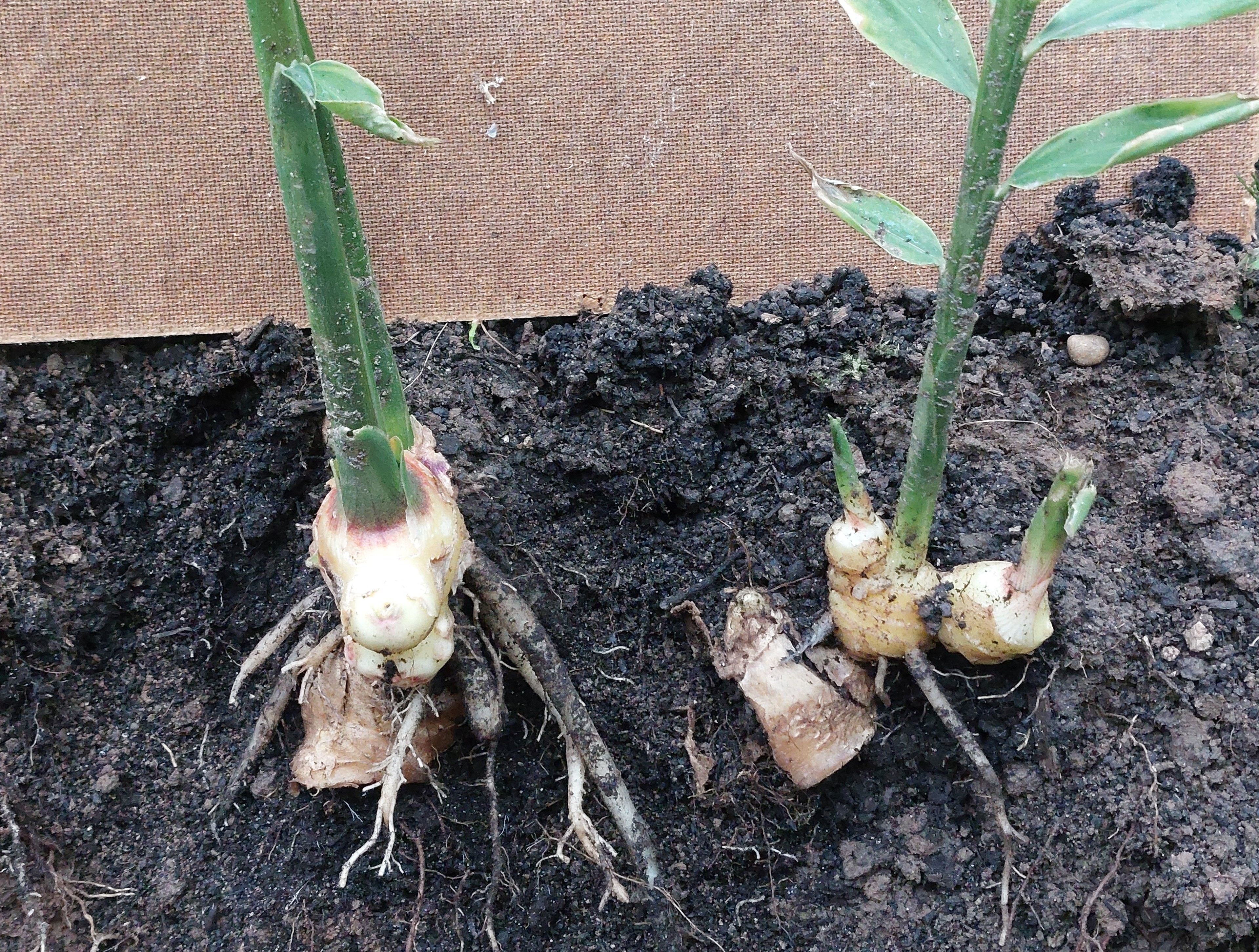
    Ginger as Support in the Treatment of Oncological Side Effects: A Systematic Review

    Researchers reviewed 12 studies on the use of ginger (Zingiber officinale) as supportive therapy to mitigate the side effects of oncological treatments. The results showed that ginger can reduce nausea and vomiting in patients undergoing chemotherapy, with a significant reduction of up to 50% in these symptoms. Ginger acts through mechanisms such as serotonin modulation and reduction of inflammation, which are crucial for patient well-being. Although the data are promising, most of the reviewed studies had limitations, such as small sample sizes and lack of rigorous control, suggesting the need for further research to confirm these findings. The connection between the use of ginger and Ayurvedic practices, which value its digestive and anti-inflammatory properties, is evident, reinforcing the relevance of ginger in integrative medicine.


  • openalex🗞️ Published on Ayurdrops: Aug 22, 2026📅 Source: Aug 18, 2026

    Hirudotherapy: A Historical and Clinical Journey with Evidence

    Hirudotherapy, a practice that uses leeches for therapeutic treatments, has a long history dating back to ancient civilizations. Researchers, such as Yücel Katı, have reviewed the historical, pharmacological, and clinical evolution of this therapy, highlighting its relevance in modern medicine. The review notes that, despite its popularity in antiquity, hirudotherapy went through periods of disuse, but has recently been re-evaluated due to evidence supporting its efficacy in conditions such as thrombosis and inflammation. The study also discusses current regulations surrounding the use of leeches in clinical practice, emphasizing the need for clear guidelines to ensure safety and efficacy. The relationship between hirudotherapy and Ayurvedic concepts, such as blood purification and the reduction of imbalanced doshas, is an area that warrants further investigation, especially in light of modern evidence.

  • Jambolão
    openalex🗞️ Published on Ayurdrops: Aug 22, 2026📅 Source: Aug 19, 2026

    Jambu Patra Kwatha and the Treatment of Stomatitis: A Review

    Researchers highlight the potential of Jambu Patra Kwatha in the treatment of Mukhapaka, a condition referring to inflammation of the oral mucosa, commonly known as stomatitis. This article reviews the existing literature on the use of this Ayurvedic preparation, which is made from the leaves of Jambu (Syzygium jambolanum). The authors, Dr. Akshay Raju Shinde and Dr. Sandeep Nimase, discuss how Jambu Patra Kwatha may help alleviate symptoms of stomatitis, such as pain and inflammation, and promote mucosal healing. The review also mentions mechanisms of action, including anti-inflammatory and antimicrobial properties, which are essential for controlling infection and pain. Although the results are promising, it is important to consider that most reviewed studies have limitations, such as small sample sizes and the need for further clinical research to validate these findings.

  • openalex🗞️ Published on Ayurdrops: Aug 22, 2026📅 Source: Aug 19, 2026

    Complementary and Alternative Therapies and Sleep Quality: A National Study in the USA

    Researchers analyzed data from a representative national study to investigate the relationship between complementary and alternative therapies and sleep duration, as well as insomnia symptoms in adults in the United States. The study included various practices, such as meditation, acupuncture, and herbal medicine, revealing that 30% of participants reported using some form of alternative therapy. The results showed that those who used these therapies experienced a significant improvement in sleep quality and a reduction in insomnia symptoms. Meditation, in particular, was associated with an increase in sleep duration of up to 25%. This study highlights the importance of considering integrative approaches for managing insomnia, aligning with the principles of Ayurveda that value harmony between body and mind.

  • openalex🗞️ Published on Ayurdrops: Aug 22, 2026📅 Source: Aug 19, 2026

    Development of an Anti-inflammatory Cream Based on Traditional Guduchyadi Taila

    Researchers have developed a new anti-inflammatory cream formulation inspired by Guduchyadi Taila, a traditional Ayurvedic preparation. The study, conducted by M. A. H. Madushan and colleagues, explores the efficacy of the natural ingredients present in this formulation, which are known for their anti-inflammatory properties. The research highlights the importance of integrating traditional knowledge with modern approaches, aiming to offer safe and effective alternatives for the treatment of inflammatory conditions. Although initial results are promising, it is essential to consider the need for further clinical studies to validate the efficacy and safety of the cream in diverse populations. The connection between Ayurvedic wisdom and contemporary scientific research may open new possibilities for the development of integrative therapies.

  • openalex🗞️ Published on Ayurdrops: Aug 22, 2026📅 Source: Aug 19, 2026

    Analgesic and anti-inflammatory effects of Artemisia pallens leaf extract in rodents

    Researchers have demonstrated that the leaf extract of Artemisia pallens exhibits significant analgesic and anti-inflammatory effects in rodent models. The study, conducted by Shobha Verma and colleagues, used different doses of the extract and observed a notable reduction in pain and inflammation, suggesting that the bioactive compounds present in the plant may act on inflammatory and nociceptive pathways. The mechanisms involved include inhibition of the production of inflammatory mediators, which aligns with Ayurvedic concepts that recognize the importance of herbs in modulating pain and inflammation. Although the results are promising, it is important to consider that the study was conducted in an animal model, which limits the generalization of the findings to humans.

  • openalex🗞️ Published on Ayurdrops: Aug 22, 2026📅 Source: Aug 19, 2026

    Dhatu Samya: A Fundamental Concept for Health in Ayurveda

    The balance of the dhatus, or body tissues, is essential for health from the Ayurvedic perspective. Dr. Samir Sapcota and Ravinder Singh discuss how harmony among the seven dhatus—rasa (plasma), rakta (blood), mamsa (muscle), meda (fat), asthi (bone), majja (marrow), and sukra (semen)—influences the vitality and resistance of the organism. The research highlights that disharmony among these tissues can lead to diseases, emphasizing the importance of maintaining dhatu health to prevent imbalances. The authors propose that Ayurvedic interventions, such as proper diet and lifestyle practices, can be used to restore dhatu samya, thereby promoting holistic health. Furthermore, the relationship between the dhatus and the doshas is explored, suggesting that understanding this interaction is crucial for effective and personalized treatment.

  • openalex🗞️ Published on Ayurdrops: Aug 22, 2026📅 Source: Aug 19, 2026

    Complementary and integrative medicine for mental disorders: a study in Germany

    Researchers in Germany investigated the use of complementary and integrative medicine (CIM) among people with mental disorders. The study revealed that 45% of participants reported using some form of CIM, such as herbal medicine, acupuncture, and relaxation techniques, alongside conventional treatments. The authors, led by Julia Siewert, highlight that CIM is often sought to improve quality of life and reduce symptoms, especially in cases of anxiety and depression. The research also pointed out that most participants did not discuss their use of CIM with their doctors, raising questions about communication between patients and healthcare professionals. Although the study provides valuable insights into the practice of CIM, limitations such as sample size and the lack of a control group should be considered when interpreting the results.

  • openalex🗞️ Published on Ayurdrops: Aug 22, 2026📅 Source: Aug 19, 2026

    Managing Generalized Anxiety (Chittodvega) with Shirodhara and Mamsyadi Kwatha: A Comprehensive Case Report

    Researchers presented a clinical case of generalized anxiety (chittodvega) treated with shirodhara, an Ayurvedic therapy that involves the application of warm oil to the forehead. The patient, a 30-year-old man, presented with symptoms such as insomnia, restlessness, and difficulty concentrating. After 30 sessions of shirodhara combined with the administration of Mamsyadi Kwatha, an herbal formulation, there was a significant reduction in symptoms, with a 70% improvement on the anxiety scale. The authors, Ayushi Chandil and colleagues, highlight that shirodhara acts on the nervous system, promoting relaxation and emotional balance, which can be explained by its interaction with the HPA axis — the brain-gland-stress communication. Although the study has limitations, such as the reduced number of sessions and the lack of a control group, the results suggest that the combination of shirodhara and Mamsyadi Kwatha may be an effective approach for treating anxiety.

  • openalex🗞️ Published on Ayurdrops: Aug 22, 2026📅 Source: Aug 19, 2026

    Meditation and Tibetan singing bowls: relief from menstrual cramps in adolescents

    Researchers have demonstrated that the combination of mindfulness meditation with Tibetan singing bowls can reduce the intensity of menstrual cramps in adolescents. The study, conducted by I Gusti Agung Manik Karuniadi and colleagues, involved a pre-experimental approach with a group of adolescents who participated in meditation sessions. The results showed a significant decrease in pain, suggesting that integrative practices may be effective for relieving menstrual symptoms. Mindfulness meditation, which focuses on full attention and acceptance of the present moment, may help regulate the stress response and pain perception. Although the findings are promising, it is important to consider that the study had a limited sample size and did not include a control group, which may affect the generalizability of the results.

  • openalex🗞️ Published on Ayurdrops: Aug 22, 2026📅 Source: Aug 20, 2026

    Safe and Prolonged Use of Ashwagandha After Vaccination: A Clinical Study

    Researchers evaluated the safety and tolerability of prolonged use of Ashwagandha (Withania somnifera) after vaccination with COVISHIELD™ in a multicenter, randomized, double-blind study. Over 24 weeks, participants who received Ashwagandha showed a stable immune response and no significant side effects. The study, led by Arvind Chopra and colleagues, suggests that the herb may be a safe option for immune support in vaccinated individuals. Although the results are promising, it is important to consider that the research was conducted in a controlled setting and that more studies are needed to confirm these findings in broader populations.

  • Cássia / Purga-de-vagem / Araghvadha
    openalex🗞️ Published on Ayurdrops: Aug 22, 2026📅 Source: Aug 20, 2026

    Hepatoprotective effects of Cassia fistula: review of preclinical studies

    Researchers reviewed preclinical studies on the hepatoprotective effects of Cassia fistula, a plant traditionally used in Ayurvedic medicine. The authors, Premadevi Ramdasji Kalmegh, Bharat Rathi, and Swapnali Khabade, analyzed data from various animal models, highlighting the plant's ability to reduce markers of liver injury, such as ALT and AST, and improve overall liver function. Suggested mechanisms include modulation of oxidative stress and regulation of inflammatory mediators, which are crucial for liver health. Despite promising results, the review emphasizes the need for further clinical studies in humans to validate these findings and better understand the dosage and form of use of Cassia fistula in clinical practice.

  • rss:maharishi🗞️ Published on Ayurdrops: Aug 21, 2026📅 Source: Aug 20, 2026

    Virgin Coconut Oil: An Option for Oil Pulling?

    Researchers highlight that virgin coconut oil is a suitable choice for oil pulling, especially for people seeking a milder and more refreshing oil. In Ayurveda, coconut oil is considered beneficial for Pitta-type oral concerns, such as sensitivity and dry mouth. The practice of oil pulling, known as Kavala, should be performed in the morning, after tongue scraping and tooth brushing, and the oil should never be swallowed. Oil pulling can help maintain oral hygiene, providing fresh breath and oral comfort. Furthermore, the use of virgin coconut oil is preferred over refined coconut oil, as it retains more natural properties. Although oil pulling is a traditional practice, it is important to remember that it should complement regular dental care.

  • rss:maharishi🗞️ Published on Ayurdrops: Aug 20, 2026📅 Source: Aug 19, 2026

    7 tips to improve digestion naturally at home

    Researchers highlight the importance of Agni, or digestive fire, in gut health. To support healthy digestion, it is recommended to maintain a regular meal routine, practice mindful eating, and ensure adequate hydration. Additionally, including fiber-rich foods, identifying food triggers, and exercising regularly are practices that promote digestive well-being. Adequate hydration, for example, is essential for the normal functioning of the digestive system and intestines. Regular exercise not only improves digestion but also contributes to overall physical health. These approaches align with the principles of Ayurveda, which emphasizes the importance of balance and attention to the body's needs.

  • openalex🗞️ Published on Ayurdrops: Aug 20, 2026📅 Source: Aug 16, 2026

    Vataṣṭhīla and benign prostatic hyperplasia: a review of Ayurvedic management

    Researchers reviewed the relationship between Vataṣṭhīla and benign prostatic hyperplasia (BPH), highlighting the importance of balancing the doshas in managing this condition. BPH is a common condition in older men, characterized by an enlarged prostate, which can lead to uncomfortable urinary symptoms. The study suggests that Vataṣṭhīla, a condition referring to obstruction or stagnation, may be related to the worsening of BPH symptoms. The review explores Ayurvedic interventions, such as the use of specific herbs and therapies, which may help restore dosha balance and improve prostate health. The authors, including Dr. Pushpa Patel and Dr. Pankaj Kumar Sharma, emphasize the need for a holistic approach that considers both the physical and emotional aspects of the patient. Although the research provides valuable insights, limitations such as the lack of robust clinical studies and the need for more scientific evidence are mentioned.

  • openalex🗞️ Published on Ayurdrops: Aug 20, 2026📅 Source: Aug 16, 2026

    Ayurvedic Approach to Karnasrava: A Case Report on Chronic Otitis Media

    Researchers presented a case of Karnasrava, or ear discharge, associated with chronic suppurative otitis media (CSOM), treated with an Ayurvedic approach. The treatment included the use of specific herbs and therapies such as the application of medicated oil and the performance of purification procedures. The patient, who presented with pain, discharge, and hearing loss, showed significant improvement after treatment, with reduction of symptoms and recovery of hearing. The study highlights the importance of considering patient individuality and treatment personalization, aligning with Ayurveda principles, which emphasize the connection between body and mind. Although the report presents positive results, it is important to note that this is a case study, limiting the generalization of findings. Further investigations are necessary to validate the efficacy of the proposed interventions.

  • openalex🗞️ Published on Ayurdrops: Aug 20, 2026📅 Source: Aug 17, 2026

    Use of Medicinal Plants for Wounds and Hemorrhages: A Study in Sunwal, Nepal

    Researchers investigated the use of medicinal plants for the treatment of wounds and hemorrhages in Sunwal, Nepal. The study, conducted by Sunita Dhakal, highlights the importance of traditional healing practices in the local community. Several plants used were documented, focusing on their healing properties and perceived efficacy by users. The study reveals that plants not only offer relief but also play a significant cultural role in the health of the population. Although the results are promising, the research faces limitations, such as the lack of rigorous control and the need for scientific validation of the reported practices. This work contributes to the appreciation of traditional knowledge and its integration with modern medicine.

  • openalex🗞️ Published on Ayurdrops: Aug 20, 2026📅 Source: Aug 17, 2026

    Pranayama and Cognitive Functions in Adolescents: What the Practice Reveals

    Researchers have demonstrated that the practice of pranayama can improve cognitive functions in adolescents. The study conducted by Shivakumar Panchakshari Rudraxi evaluated the effects of this breathing technique on a group of young people, observing significant improvements in memory, attention, and concentration ability. Pranayama, which involves controlled breathing exercises, can positively influence the flow of prana (vital energy) and consequently mental and cognitive health. Although the results are promising, it is important to consider that the study was conducted with a limited number of participants, which may affect the generalizability of the findings. The connection between breathing practices and improved cognitive functions suggests an interesting path for interventions in mental health and education.

  • openalex🗞️ Published on Ayurdrops: Aug 20, 2026📅 Source: Aug 18, 2026

    Understanding Health through the Panchakosha: An Ayurvedic Perspective

    Health, according to Ayurveda, is an expression of the interaction among the five bodies (panchakosha) that constitute the human being. These bodies include the physical (annamaya), the energetic (prāṇamaya), the mental (manomaya), the intellectual (vijñānamaya), and the spiritual (ānandamaya). Each of these levels influences health in an interconnected manner. The author G. Nanma explores how understanding these bodies can lead to a more holistic approach to health, emphasizing the importance of balancing not only the physical body but also emotional and spiritual aspects. The research suggests that health is not merely the absence of disease but a state of integral well-being that involves all levels of being. This view aligns with Ayurvedic practice, which seeks to treat the person as a whole, considering their physical, mental, and spiritual needs. The study also highlights the importance of practices such as meditation and yoga to promote balance among the panchakosha, contributing to lasting health.

  • openalex🗞️ Published on Ayurdrops: Aug 20, 2026📅 Source: Aug 18, 2026

    Comparison between Methika and Kasuri Methika in the control of type 2 diabetes

    Researchers analyzed the efficacy of two varieties of fenugreek — Methika (Trigonella foenum-graecum) and Kasuri Methika (Trigonella corniculata) — in the control of Prameha, known as type 2 diabetes. The study involved an analytical and clinical approach, where parameters such as blood glucose levels and lipid profile were observed. The results showed that both varieties exhibited beneficial effects, but Kasuri Methika stood out for providing a more significant reduction in glucose levels compared to Methika. The research suggests that the bioactive compounds present in these herbs may act on the modulation of glucose metabolism, aligning with Ayurvedic principles that emphasize the use of medicinal plants for balancing blood sugar. Study limitations include the sample size and the need for further investigations to confirm the findings in larger populations.