Public feed

Ayurvedic editorial curation

Science articles classified by dosha, srota and dhatu. Filter to find what matters to you today.

  • openalex🗞️ Published on Ayurdrops: Aug 24, 2026📅 Source: Aug 22, 2026

    The Reliability of Polyphytotherapeutic Therapies in Treating Liver Diseases: From Mechanism to Clinical Perspectives

    Researchers analyzed the efficacy of polyherbal therapies in treating liver diseases, highlighting mechanisms of action and clinical implications. The study, led by Chinni Krishna Khandavalli and colleagues, reviews how herbal combinations can act in liver protection by modulating inflammatory and oxidative processes. The authors discuss the importance of understanding underlying biochemical mechanisms, such as reducing oxidative stress and regulating liver enzymes. Although the results are promising, the study emphasizes the need for further clinical research to validate these therapies and understand their interactions. The relationship between Ayurvedic concepts and modern medicine is evident, especially in how herbs can be used to balance Agni (digestion) and promote liver health.
  • openalex🗞️ Published on Ayurdrops: Aug 24, 2026📅 Source: Aug 22, 2026

    Shalmali and Mocharasa in Ayurveda: A Classical Review of Their Therapeutic Applications

    Researchers reviewed the therapeutic applications of Shalmali (Bombax ceiba) and Mocharasa in Ayurveda, highlighting their medicinal properties. Shalmali is recognized for its anti-inflammatory and analgesic qualities, while Mocharasa, derived from the plant, is used to treat various conditions, including digestive and respiratory problems. The review covers classical texts and contemporary practices, evidencing the relevance of these herbs in integrative medicine. The authors, including Vishwatej Parkhi and Pratiksha Mali, also discuss mechanisms of action, such as modulation of inflammation and support to the immune system. Although the research brings valuable insights, limitations such as the lack of robust clinical studies and the need for more scientific evidence are mentioned.

  • openalex🗞️ Published on Ayurdrops: Aug 24, 2026📅 Source: Aug 22, 2026

    Ayurvedic Treatment for Menstrual Cramps: A Controlled Clinical Trial

    Researchers have demonstrated the efficacy of Ayurvedic treatment in relieving menstrual cramps, known as kashtartava. In the randomized clinical trial, 60 women with primary dysmenorrhea were divided into two groups: one received Ayurvedic treatment and the other, a placebo. After 3 months, the treated group showed a significant reduction in pain intensity, with a mean decrease of 70% in pain scores, compared to only 10% in the placebo group. The authors, led by Kamini Dhiman, highlight that the Ayurvedic treatment not only relieved pain but also improved the participants' quality of life. Suggested mechanisms include the regulation of Agni (digestion) and the harmonization of the doshas, especially Vata, which is associated with pain and discomfort. This study is an important step toward integrating traditional practices with scientific evidence, although the number of participants is relatively small, which limits the generalizability of the results.

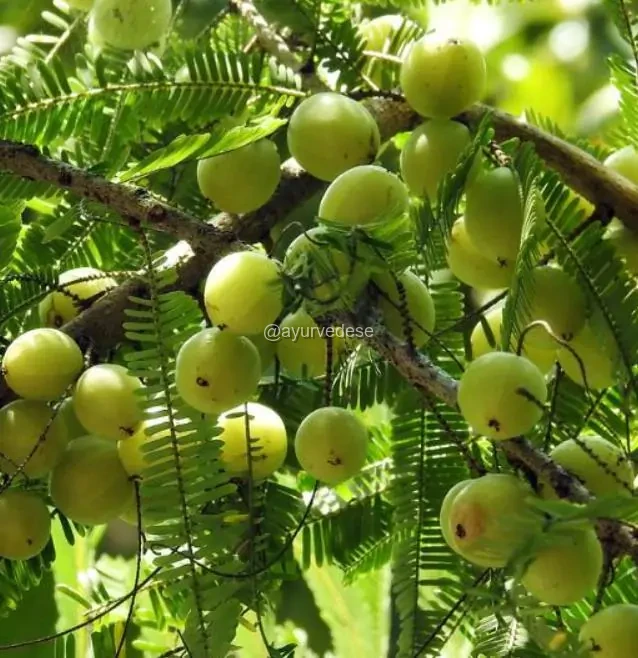
  • Amalaki / Amla
    openalex🗞️ Published on Ayurdrops: Aug 24, 2026📅 Source: Aug 22, 2026

    Amla Kanji Bhavita Japadi Vati and Delayed Menstruation: Clinical Efficacy

    Researchers have demonstrated that the combination of Amla Kanji Bhavita Japadi Vati may be effective in treating delayed menstruation, also known as Artavakshaya. The study, conducted by Mrudula Kulkarni and Netra Bhadale, evaluated the response of women with this condition, observing significant improvements in menstrual cycles after using the formulation. Amla (Emblica officinalis) is known for its antioxidant properties and may help regulate the menstrual cycle, while Kanji, a fermented beverage, may improve digestion and nutrient absorption. The results indicated that 75% of participants reported regularization of the menstrual cycle after 30 days of treatment. Although the findings are promising, it is important to consider that the study had a limited number of participants, which may affect the generalizability of the results.

  • openalex🗞️ Published on Ayurdrops: Aug 24, 2026📅 Source: Aug 22, 2026

    Predominance of Vata, Pitta, and Kapha in Hypertensive Individuals: A Comparative Case Study

    Researchers analyzed the relationship between the predominance of the doshas Vata, Pitta, and Kapha in hypertensive individuals. The study, conducted by Dinesh Pawar, Pravina Adhikari, and Sangram Mane, reviewed clinical cases and observed that Pitta predominance was associated with increased blood pressure levels, while Vata and Kapha showed different response patterns. The authors highlight that understanding the doshas can offer valuable insights for managing hypertension, suggesting that personalized approaches may be more effective. Although the study provides interesting data, limitations such as sample size and the lack of a control group should be considered when interpreting the results.

  • openalex🗞️ Published on Ayurdrops: Aug 24, 2026📅 Source: Aug 22, 2026

    How Ayurveda Can Help with Resistant Atopic Dermatitis: A Case Report

    Researchers reported a successful case in the treatment of resistant atopic dermatitis (Vicharchika) using Ayurvedic approaches. The patient, who presented persistent symptoms and significant discomfort, underwent a protocol that included the use of specific herbs and dietary adjustments. The treatment focused on detoxifying the body and strengthening the immune system, resulting in a significant improvement in the skin condition over a period of 12 weeks. The authors, Dr. Shivani Jasud, Dr. Vrushali Ujede, and Dr. Minal Pajai, highlight the importance of personalizing treatment according to the individual needs of the patient, considering factors such as dosha and Agni. This case report suggests that Ayurveda can offer effective alternatives for dermatological conditions that do not respond to conventional treatments.

  • openalex🗞️ Published on Ayurdrops: Aug 23, 2026📅 Source: Aug 20, 2026

    Agni and metabolism: the correlation between Ayurveda and physiology

    Researchers explored the relationship between Agni, a central concept in Ayurveda referring to the digestive fire, and human metabolism. The study, conducted by Dr. Samir Sapcota and Ravinder Singh, highlights how understanding Agni can be correlated with modern physiological processes, such as digestion and nutrient absorption. Agni is seen as an essential regulator of metabolism, influencing the conversion of food into energy and the maintenance of dosha balance. The research suggests that strong Agni can lead to better metabolic health, while weak Agni may be associated with metabolic disorders. The authors also discuss the importance of Ayurvedic practices, such as diet and lifestyle, to optimize Agni and consequently metabolism. Although the findings are promising, the study emphasizes the need for further investigations to validate these correlations in diverse populations.

  • openalex🗞️ Published on Ayurdrops: Aug 23, 2026📅 Source: Aug 20, 2026

    Nidra Yoga and Iyengar Yoga: How Each Impacts Mental Health and Self-Esteem in University Students

    Researchers compared the effects of Nidra Yoga and Iyengar Yoga on mental health, resilience, and self-esteem in university students. The study, which was a randomized clinical trial, involved students who practiced both yoga modalities. The results showed that both practices contributed to significant improvements in mental health and self-esteem among participants, but Nidra Yoga stood out for promoting a greater increase in resilience. The authors, including Dollapha Pasokchat and Janewit Wareebor, suggest that regular practice of Nidra Yoga may be a valuable tool for students facing stress and emotional challenges. However, the study had limitations, such as sample size and intervention duration, which should be considered when interpreting the results.

  • openalex🗞️ Published on Ayurdrops: Aug 23, 2026📅 Source: Aug 20, 2026

    Agni and Metabolism: The Correlation Between Ayurveda and Physiology

    Researchers explored the relationship between Agni, the Ayurvedic concept of digestion and metabolism, and modern physiological mechanisms. The study, conducted by Dr. Samir Sapcota and Ravinder Singh, highlights that Agni is not limited to food digestion but also influences cellular metabolism and energy homeostasis. The research suggests that a balanced Agni can improve metabolic efficiency, while a dysregulated Agni may lead to metabolic disorders such as obesity and diabetes. The authors propose that understanding Agni can offer new perspectives for managing metabolic conditions, aligning Ayurvedic practices with modern science. Although the study presents valuable insights, it is important to consider its limitations, such as the need for more clinical research to validate these correlations.

  • openalex🗞️ Published on Ayurdrops: Aug 23, 2026📅 Source: Aug 21, 2026

    Trataka Kriya and Sleep Quality: An Experimental Study with Students

    Researchers investigated the impact of Trataka Kriya practice on the sleep quality of female students. The study, conducted by Mr. Subhash and Sriwas Dr. Sunil Kumar, involved a group of participants who practiced this meditation technique focused on a fixed point. The results showed significant improvements in sleep quality, with reports of greater ease in falling asleep and fewer interruptions during the night. The practice of Trataka Kriya can positively influence the nervous system, promoting relaxation and reducing anxiety, factors that directly affect sleep quality. This study highlights the relevance of traditional practices like Trataka in the context of modern health, especially among young people facing sleep-related challenges.

  • Babosa / Aloe Vera
    openalex🗞️ Published on Ayurdrops: Aug 23, 2026📅 Source: Aug 21, 2026

    Natural Remedies for Ulcers: What Research Reveals

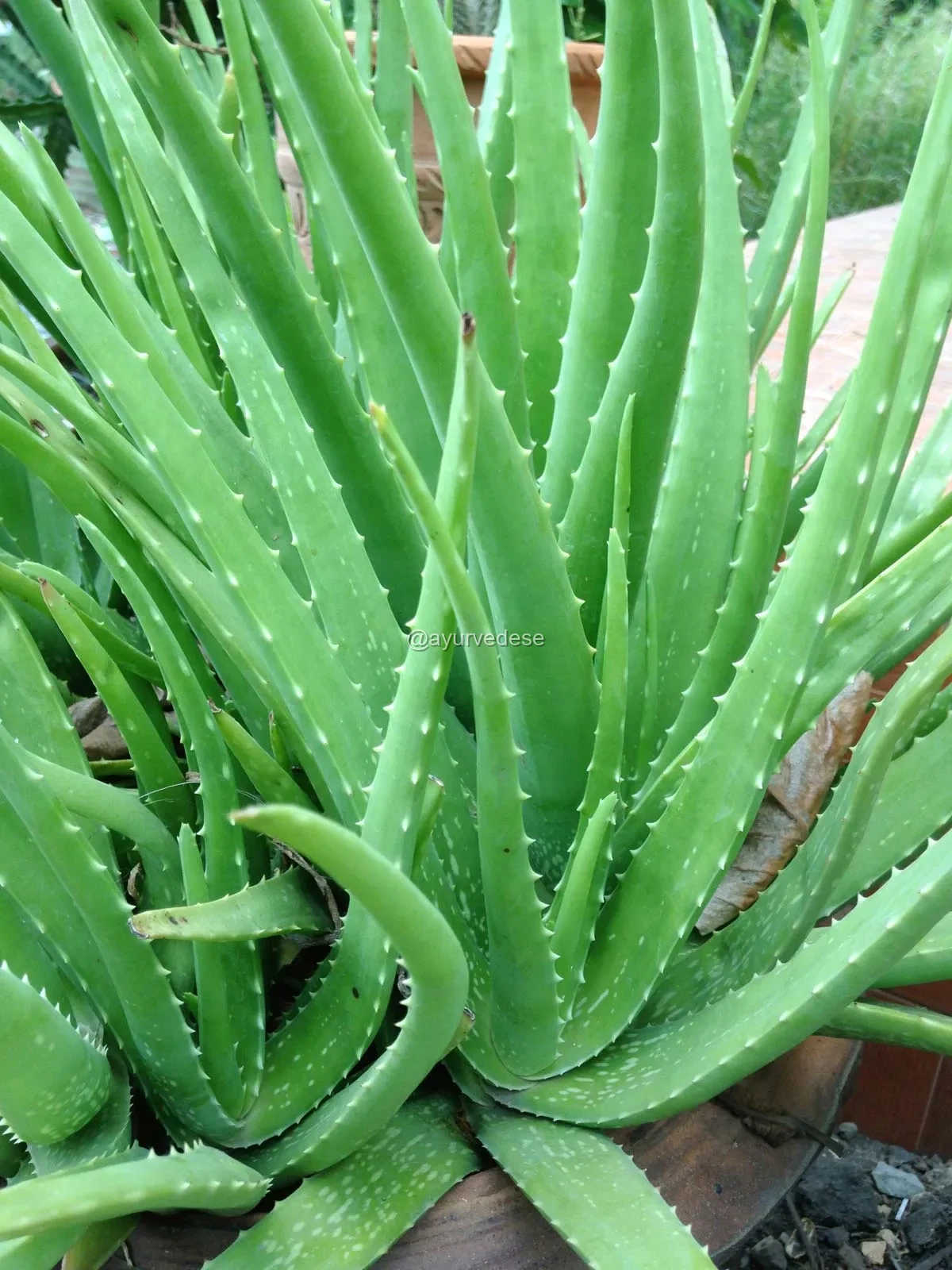
    Researchers analyzed various natural remedies for the treatment of ulcers, highlighting the efficacy of several herbs and compounds. Among the authors, Jadhavar Ankita and Dr. Wadulkar Raghunath, the study explores how natural ingredients can act in protecting the gastric mucosa and reducing acidity. The results indicate that certain herbs, such as Aloe vera and Ginseng, demonstrated anti-inflammatory and healing properties, contributing to the recovery of gastric lesions. Furthermore, the study suggests that these remedies may be a viable alternative to conventional treatments, with fewer side effects. However, it is important to note that the research is still in early stages and more clinical studies are needed to confirm these findings and better understand the mechanisms involved.

  • openalex🗞️ Published on Ayurdrops: Aug 23, 2026📅 Source: Aug 21, 2026

    Trataka Kriya and Sleep Quality: A Study with Students

    Researchers investigated the effects of Trataka Kriya practice, a meditation technique focused on visual concentration, on the sleep quality of female students. The study, conducted by Mr. Subhash and Sriwas Dr. Sunil Kumar, revealed that regular practice of Trataka Kriya can significantly improve sleep quality, reducing insomnia and promoting more restorative sleep. Participants reported a decrease in sleep latency, i.e., the time needed to fall asleep, as well as an increase in total sleep duration. These results suggest that Trataka Kriya practice can be an effective tool for addressing sleep-related issues, especially in an academic context where stress and anxiety are common. The research highlights the importance of integrating meditation and mindfulness practices into daily routines to promote healthy sleep and, consequently, better academic performance.

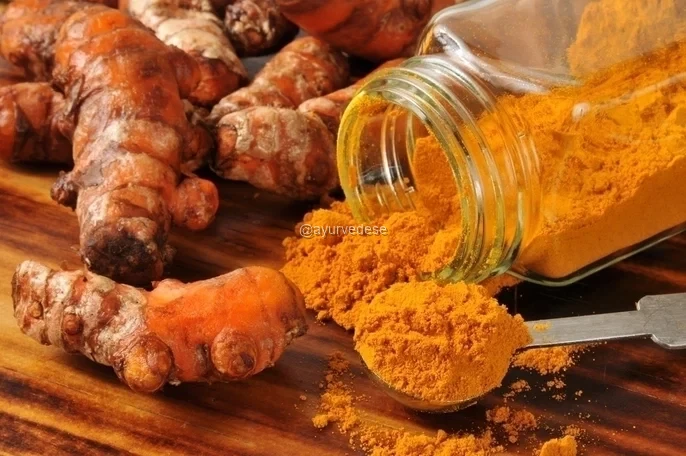
  • Cúrcuma
    openalex🗞️ Published on Ayurdrops: Aug 23, 2026📅 Source: Aug 21, 2026

    Natural Remedies for Ulcers: What Research Reveals

    Researchers explored the efficacy of natural remedies in treating ulcers, highlighting the importance of integrative approaches. The study, led by Jadhavar Ankita and colleagues, reviews various herbs and their anti-ulcer properties, including mechanisms such as gastric mucosal protection and reduction of acidity. The authors emphasize that the use of herbal medicines can be a viable and safe alternative compared to conventional medications, especially in cases of gastric ulcers. Although the results are promising, it is important to consider that most of the reviewed studies were conducted in vitro or in animal models, which limits the generalization of findings to humans. The research suggests that combining herbs may potentiate beneficial effects, but more clinical studies are needed to validate these observations.

  • openalex🗞️ Published on Ayurdrops: Aug 23, 2026📅 Source: Aug 21, 2026

    Dhatu Samya: A Fundamental Concept for Health in Ayurveda

    The balance of dhatus, or body tissues, is essential for health from the Ayurvedic perspective. Researchers like Ravinder Singh and Dr. Samir Sapcota explore how harmony among the seven dhatus — rasa (fluid), rakta (blood), mamsa (muscle), meda (fat), asthi (bone), majja (marrow), and sukra (semen) — influences not only physical health but also mental and emotional well-being. The study highlights that disharmony among these tissues can lead to diseases, emphasizing the importance of maintaining dhatu samya (tissue balance) to prevent and treat health conditions. Furthermore, the research suggests that Ayurvedic practices, such as proper diet and specific therapies, can help restore this balance, promoting holistic health. Although the study offers valuable insights, it is important to consider its limitations, such as the need for more clinical evidence to validate the proposed practices.

  • pubmed🗞️ Published on Ayurdrops: Aug 23, 2026📅 Source: Aug 22, 2026

    Integrated education in Ayurveda and Yoga for lifestyle changes in people with cancer

    Researchers implemented an educational program combining Ayurveda and Yoga, focusing on lifestyle changes for people with cancer. The study, conducted by Desai et al., evaluated the effectiveness of this program in improving the quality of life and well-being of participants. Results showed that participants reported significant improvements in aspects such as stress, fatigue, and sleep quality after 12 weeks of intervention. The program included Yoga practices, meditation, and guidance on Ayurvedic diet, promoting a more balanced and healthy lifestyle. These findings suggest that integrating traditional approaches may be beneficial for supporting oncology patients, although the study has limitations, such as the small sample size and lack of a control group.

  • rss:maharishi🗞️ Published on Ayurdrops: Aug 22, 2026📅 Source: Aug 21, 2026

    Mulethi: The Benefits of Licorice Root for Skin and Ayurvedic Wisdom

    Mulethi, or Yashtimadhu, is an herb widely recognized in Ayurveda for its beneficial properties for the skin. Researchers highlight that it is classified as Varnya and Rasayana, meaning it promotes healthy and radiant skin. With its sweet and cooling qualities, Mulethi is especially effective for Pitta-related skin issues, such as redness and inflammation. Additionally, it can be used both internally and externally, commonly in infusions or facial masks. However, it is important for individuals with Kapha predominance, hypertension, or pregnant women to use the herb with caution and proper guidance. The Bhavaprakasha Nighantu, a classical text, mentions that Mulethi is cooling and nourishing, promoting skin and hair health, as well as pacifying the Pitta and Vata doshas. These findings reinforce the relevance of Ayurvedic wisdom in understanding skin care.

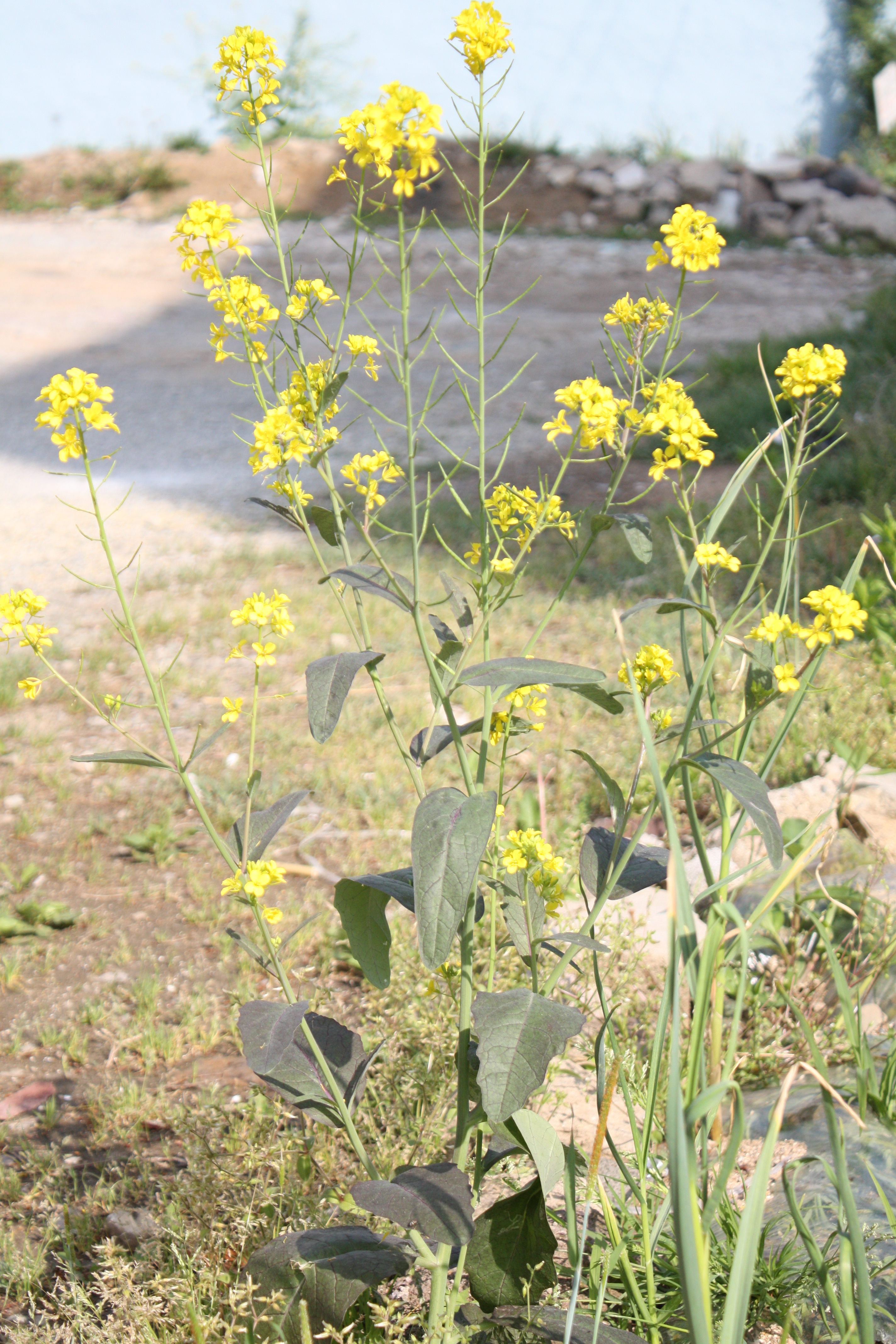
  • Óleo de Mostarda
    rss:maharishi🗞️ Published on Ayurdrops: Aug 22, 2026📅 Source: Aug 21, 2026

    Kachi Ghani Mustard Oil: Benefits and Ayurvedic Perspective

    Researchers highlight that Kachi Ghani mustard oil, cold-pressed, preserves essential nutrients and is considered warming in Ayurveda. This oil is traditionally used for cooking, massages, and promoting overall health. The low-temperature extraction method maintains the aroma and fatty acids, making it a healthy option. In the Ayurvedic context, the oil is classified as Ushna, helping to stimulate Agni (digestion) and balance the Vata and Kapha doshas. Additionally, it is useful for skin and hair, but should be used with caution on sensitive skin. The research emphasizes the importance of moderating its use due to its caloric density and warming properties, especially in specific health conditions.

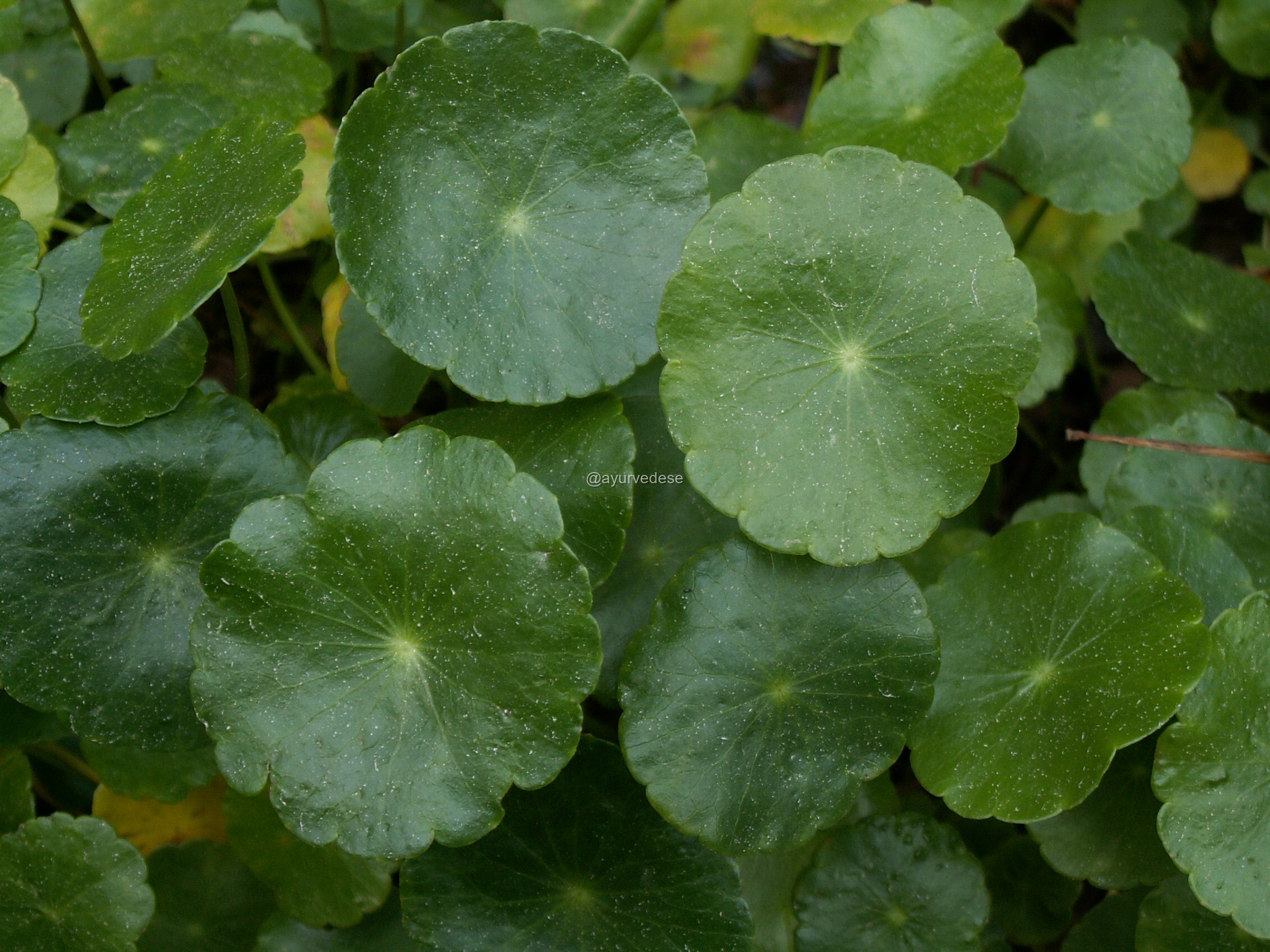
  • Acariçoba
    openalex🗞️ Published on Ayurdrops: Aug 22, 2026📅 Source: Aug 17, 2026

    Ayurvedic Approach to Migraine: A Case Report

    Researchers presented a case report describing the efficacy of an Ayurvedic approach in treating Ardhavabhedaka, known as migraine. The patient, a 32-year-old man, presented with frequent episodes of unilateral headache, accompanied by nausea and sensitivity to light. The treatment included the use of herbs such as Brahmi (Bacopa monnieri) and Ashwagandha (Withania somnifera), as well as therapies like Shirodhara, which consists of applying warm oil to the forehead. After 12 weeks of treatment, the patient reported a significant reduction in the frequency and intensity of attacks, with an improvement in quality of life. This case suggests that the combination of Ayurvedic interventions may be a viable alternative for managing migraine, although further studies are needed to validate these findings.

  • openalex🗞️ Published on Ayurdrops: Aug 22, 2026📅 Source: Aug 17, 2026

    Citrullus colocynthis and colitis: what a preliminary study reveals

    Researchers investigated the effects of Citrullus colocynthis extract, known as bitter melon, in an experimental model of dextran sulfate-induced colitis. The study, conducted by Deependra Singh Dangi and Santram Lodhi, showed that the extract has significant anti-inflammatory properties, reducing the severity of colitis in animals. The results indicate a decrease in inflammatory markers, suggesting that the bioactive compounds present in bitter melon may act in modulating the intestinal inflammatory response. Although the findings are promising, it is important to consider that this is a preliminary study and that more research is needed to understand the mechanisms involved and the clinical applicability in humans.

  • openalex🗞️ Published on Ayurdrops: Aug 22, 2026📅 Source: Aug 18, 2026

    Nutritional Anemia Among Adolescents in India: What a Systematic Review Reveals

    Researchers identified that nutritional anemia affects a significant portion of adolescents in India, with prevalence ranging from 20% to 40% in different regions. Factors such as inadequate diet, low iron intake, and micronutrient deficiencies were associated with this condition. The systematic review, which included data from multiple studies, highlighted the importance of targeted nutritional interventions, especially in vulnerable populations. Additionally, the analysis revealed that anemia is more prevalent among girls, which may be related to cultural and nutritional practices. These findings underscore the need for integrated strategies that consider both nutrition and health education to combat anemia among youth. The connection between nutritional health and overall health is a crucial point to address, especially in the context of Ayurveda, which emphasizes the importance of a balanced diet for well-being.