Public feed

Ayurvedic editorial curation

Science articles classified by dosha, srota and dhatu. Filter to find what matters to you today.

  • Mel
    rss:maharishi🗞️ Published on Ayurdrops: Aug 25, 2026📅 Source: Aug 24, 2026

    Honey for the Skin: Benefits, Homemade Masks, and an Ayurvedic Guide

    Researchers highlight that honey, known as Madhu in Ayurveda, has properties that make it a powerful ally for the skin. It is classified as Madhura (sweet) and Kashaya (astringent), balancing the three doshas: Vata, Pitta, and Kapha. Honey exhibits Lekhana (exfoliation), Shodhana (cleansing), and Ropana (healing) actions, being effective in treating acne, scars, and dull skin. Additionally, its humectant properties help maintain hydration, while antioxidants combat aging. Applying honey in homemade masks, combined with ingredients like lemon, turmeric, or aloe vera, can enhance its effects. It is important to choose raw or organic honey to ensure purity and Ayurvedic benefits. However, the skin's response to honey may vary from person to person, and it is recommended to perform a sensitivity test before use.
  • Ghee
    rss:maharishi🗞️ Published on Ayurdrops: Aug 25, 2026📅 Source: Aug 24, 2026

    Navratri Essentials: Ayurvedic Choices for Durga Puja and Dussehra

    During Navratri, Durga Puja, and Dussehra, Ayurvedic practice becomes essential to balance diet and celebration. The festivals involve fasting, puja, and the preparation of festive foods, making it crucial to focus on nutrition and balance. Products like Maharishi Amrit Kalash, a Rasayana that supports energy and vitality after fasting, and ghee, which is fundamental to sattvic cooking, are recommended. Additionally, herbs like Amla, Ashwagandha, and Turmeric can aid digestion and overall well-being. It is important to avoid excesses, such as fried foods and sweets, to maintain comfortable digestion. The conscious use of Ayurvedic products can facilitate renewal and purification during these festive days.

  • rss:maharishi🗞️ Published on Ayurdrops: Aug 25, 2026📅 Source: Aug 24, 2026

    Tired even after sleeping? The Ayurvedic perspective

    Feeling tired even after a good night's sleep can result from several factors, such as sleep quality, frequent interruptions, high stress, and health conditions like anemia or thyroid issues. Ayurveda broadens this perspective, also considering digestion (Agni), daily routine, and dosha balance. Researchers highlight that sleep duration does not guarantee restorative rest. Persistent fatigue is seen as a sign of dosha imbalance, which can be aggravated by poor nutrition and irregular lifestyle. It is important to investigate medical causes, such as nutritional deficiencies or sleep disorders, that may contribute to the constant feeling of tiredness. Ayurveda suggests a holistic approach, evaluating not only sleep but also digestion and stress, to better understand fatigue.

  • Ashwagandha / Ginseng Indiano
    openalex🗞️ Published on Ayurdrops: Aug 25, 2026📅 Source: Aug 22, 2026

    Karshya in Ayurveda: A Case Report on Weight Loss

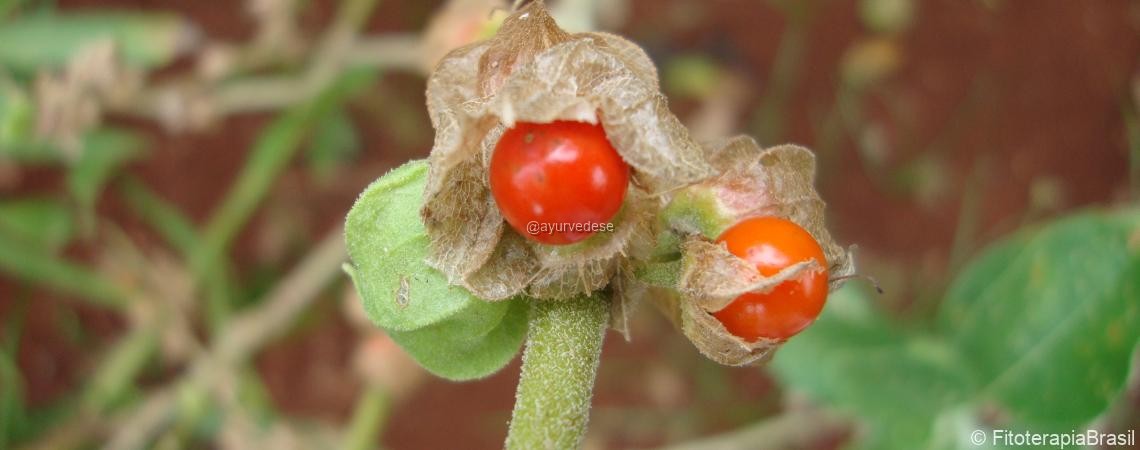
    Researchers presented a clinical case of Karshya, which refers to excessive weight loss, and how Ayurveda can offer solutions. The treatment included a combination of herbs, diet, and specific therapies, resulting in significant patient recovery. The Ayurvedic approach focused on balancing the doshas and strengthening Agni, or digestive fire, which is fundamental for nutrient assimilation. The use of herbs such as Aśvagandha (Withania somnifera) and Pippali (Piper longum) was highlighted, showing positive effects on weight recovery and overall health. This report emphasizes the importance of a holistic and personalized approach in treating conditions like Karshya, which are often neglected in conventional medicine. Although the results are promising, the study has limitations, such as the small number of cases and the need for further research to validate these findings.

  • openalex🗞️ Published on Ayurdrops: Aug 25, 2026📅 Source: Aug 22, 2026

    Toxicity and Aphrodisiac Activity Assessment of the Sidha Shalmali Kalpa Formula: a research protocol

    Researchers investigated the aphrodisiac activity and toxicity of the Sidha Shalmali Kalpa formula (Shalmali malabarica) in a drug-induced erectile dysfunction model. The study, which will be published in August 2026, aims to compare the efficacy of the original formula with a modified version. Erectile dysfunction, a problem affecting many men, can have significant impacts on quality of life. The choice of Shalmali Kalpa is based on its traditional use in Ayurveda to improve sexual health. The research aims to evaluate not only the beneficial effects but also the safety of using this formulation, a crucial aspect for any therapeutic intervention. The methodology will include tests on animal models, allowing a deeper analysis of the mechanisms involved in the aphrodisiac action and toxicity. This study is relevant for therapists and patients seeking natural alternatives for erectile dysfunction.

  • openalex🗞️ Published on Ayurdrops: Aug 25, 2026📅 Source: Aug 23, 2026

    Student Stress and Personalized Yoga: A New Perspective with Technology

    Researchers have developed an Internet of Things (IoT) framework that analyzes stress in students through personalized yoga interventions. The proposal, led by Manjusha K M, uses explainable artificial intelligence (XAI) to adapt yoga practices to the individual needs of students. The study highlights the importance of integrative approaches that combine technology and traditional practices, such as yoga, to promote mental well-being. Real-time data analysis allows dynamic adjustments in interventions, enhancing the benefits of yoga in reducing stress. Although the research is still under development, preliminary results suggest that personalizing practices can be a promising path to improve students' mental health.

  • openalex🗞️ Published on Ayurdrops: Aug 25, 2026📅 Source: Aug 23, 2026

    Prameha and diabetes: a critical analysis of the connections

    Researchers analyzed the relationship between Prameha, a condition described in Ayurvedic literature, and diabetes mellitus. The study, conducted by Dr. Umesh B. Pawar, Dr. Anand V. Kalaskar, and Dr. Nikita K. Raskar, highlights how Prameha manifests in different types of diabetes, emphasizing the importance of understanding the underlying mechanisms. The research suggests that dysregulation of Agni (digestion) and alteration of the doshas, especially Kapha, are closely linked to the development of diabetes. Furthermore, the analysis reveals that the Ayurvedic approach can offer valuable insights for diabetes management, considering factors such as diet and lifestyle. However, the study also points out limitations, such as the need for more clinical data and the difficulty in establishing standardized protocols between Ayurvedic practices and Western medicine.

  • pubmed🗞️ Published on Ayurdrops: Aug 25, 2026📅 Source: Aug 04, 2026

    Boswellic acid and its derivatives in the treatment of colon cancer: a review

    Researchers analyzed the potential of boswellic acid and its derivatives in combating colon cancer. The study highlights that these compounds possess anti-inflammatory and anticancer properties, acting on various molecular pathways that can inhibit tumor growth. The authors Yanzhao Z, Panneerselvam J, Lee LM and others reviewed data showing how boswellic acid can interfere with cell signaling, promoting apoptosis (programmed cell death) and inhibiting the proliferation of cancer cells. Although the results are promising, limitations include the need for more clinical studies to validate these findings and better understand the mechanisms involved. The connection between the traditional use of boswellic acid in Ayurvedic medicine and its modern applications in cancer treatment is a field of growing interest.

  • Pippali / Pimenta Longa Indiana
    openalex🗞️ Published on Ayurdrops: Aug 24, 2026📅 Source: Aug 22, 2026

    How Ayurveda Can Help with Allergic Bronchitis in Patients with Chronic Constipation: A Case Report

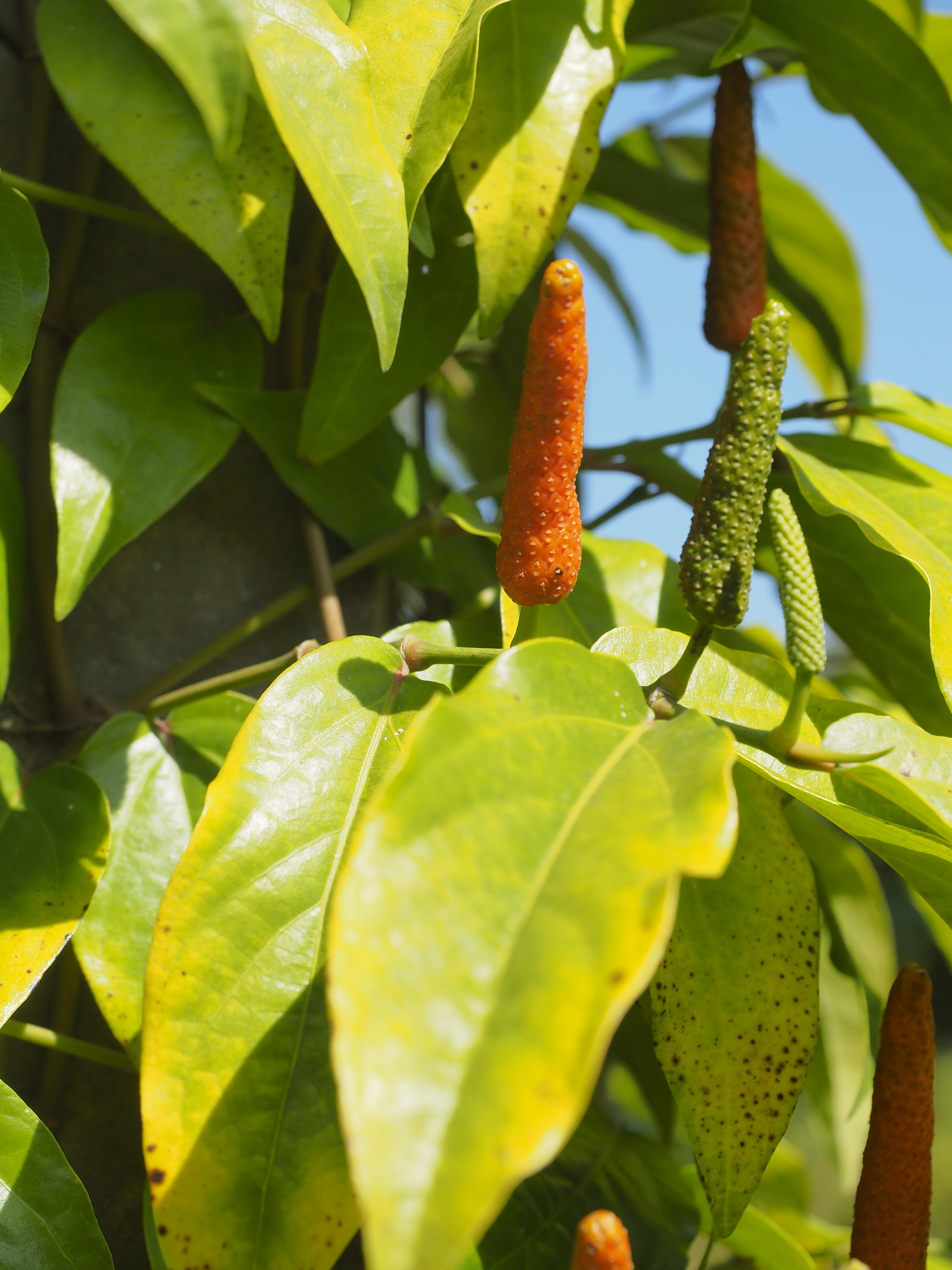
    Researchers presented a clinical case of a patient with allergic bronchitis (Jeerna Vataja Kasa) and chronic constipation, demonstrating the efficacy of Ayurvedic treatment. The patient, who presented respiratory and intestinal symptoms, was treated with a combination of specific herbs and therapies. The protocol included the use of herbs such as Vasa (Adhatoda vasica) and Pippali (Piper longum), which are known for their expectorant and digestive properties. After treatment, there was significant improvement in respiratory function and intestinal regularity, evidenced by a reduction in symptoms and improvement in the patient's quality of life. This report highlights the importance of considering the interconnection between the respiratory and digestive systems in Ayurveda, especially in chronic conditions. The holistic approach of Ayurveda can offer effective solutions for complex health problems.

  • Guggul / Indian Bedellium
    openalex🗞️ Published on Ayurdrops: Aug 24, 2026📅 Source: Aug 22, 2026

    Clinical evidence on Ayurvedic interventions for hypothyroidism and subclinical hypothyroidism

    Researchers reviewed 14 studies on Ayurvedic interventions for hypothyroidism and subclinical hypothyroidism, finding that 79% of patients showed improvement in thyroid hormone levels. The interventions included the use of herbs such as Ashwagandha (Withania somnifera) and Guggulu (Commiphora mukul), which demonstrated potential to regulate thyroid function. The suggested mechanisms involve modulation of the HPA axis—the brain-gland-stress communication—and improvement of Agni, or digestive fire, which is fundamental for the absorption of essential nutrients. However, most of the reviewed studies had limitations, such as small sample sizes and lack of control groups, suggesting the need for more rigorous research in this area.

  • openalex🗞️ Published on Ayurdrops: Aug 24, 2026📅 Source: Aug 22, 2026

    Tri Mala and microbiome dysbiosis: an integrative perspective between Ayurveda and biomedicine

    Researchers explored the relationship between Tri Mala — Purisha (feces), Mutra (urine), and Sweda (sweat) — and microbiome dysbiosis, revealing how these Ayurvedic concepts connect with modern gut health. The study, conducted by Irfan Abdulhafizh K and colleagues, discusses how the analysis of excreta can provide insights into the state of the microbiome and, consequently, the overall health of the individual. Dysbiosis, characterized by alterations in microbial composition, can be influenced by factors such as diet, stress, and lifestyle, directly reflecting on the formation and elimination of Tri Mala. The article suggests that understanding these elements can aid in the prevention and treatment of diseases, promoting more holistic and integrative care. Study limitations include the need for further research to validate the observed correlations between excreta and microbiome health.

  • openalex🗞️ Published on Ayurdrops: Aug 24, 2026📅 Source: Aug 22, 2026

    Digital Media Dependency in Children: Ayurvedic Understanding and Preventive Strategies

    Researchers highlight that digital media dependency in children can negatively affect physical and mental development. The study by Priyanka Raosaheb Katare, Priyanka Daundkar, and Deepak Khawale explores how Ayurveda can offer a unique perspective on this contemporary issue. The Ayurvedic approach suggests that excessive digital stimuli can imbalance the doshas, especially Vāta, which is related to the mind and nervous system. Preventive strategies include promoting outdoor activities, mindfulness practices, and limiting screen time. The study emphasizes the importance of a balanced lifestyle and an appropriate diet to mitigate the adverse effects of technology. Although the evidence is preliminary, integrating Ayurvedic practices can be a valuable tool for parents and educators.

  • openalex🗞️ Published on Ayurdrops: Aug 24, 2026📅 Source: Aug 22, 2026

    Clinical Utility of Charakokta Snehopaga Mahakashaya: A Narrative Review

    The narrative review on Charakokta Snehopaga Mahakashaya explores its clinical applications and therapeutic benefits. Researchers such as Puja Nahak, Anup Thakar, and Rahul S Gandhi discuss how this Ayurvedic formulation can be used in different health conditions. Snehopaga Mahakashaya is known for its nutritive and rejuvenating properties, often indicated to balance the doshas and promote overall health. The review highlights the importance of understanding the mechanisms of action of this herbal combination, which can positively influence Agni (digestion) and the immune system. Additionally, limitations of current research are addressed, including the need for more clinical studies to validate findings and better understand specific indications and contraindications. This analysis is an invitation for therapists and patients to consider the use of Charakokta Snehopaga Mahakashaya as part of an integrative approach to health.

  • Acariçoba
    openalex🗞️ Published on Ayurdrops: Aug 24, 2026📅 Source: Aug 22, 2026

    Functional recovery of facial paralysis with Ayurveda: a case report

    Researchers presented a case of functional recovery in a patient with Ardita (Bell's palsy) after integrative Ayurvedic treatment. The patient, a 35-year-old man, presented with unilateral facial weakness and difficulty in moving facial muscles. The treatment included Ayurvedic therapies such as Abhyanga (oil massage), Shirodhara (oil flow on the forehead), and herbal remedies like Aśvagandha (Withania somnifera) and Brahmi (Bacopa monnieri). After 12 weeks of treatment, a significant improvement in muscle strength and facial function was observed, with an 80% recovery of affected functions. The authors highlight the importance of a holistic treatment that considers both physical and emotional aspects of the patient, aligning with Ayurvedic principles that emphasize dosha balance and integral health. Although the case presents positive results, limitations such as the small sample size and lack of a control group should be considered.

  • openalex🗞️ Published on Ayurdrops: Aug 24, 2026📅 Source: Aug 22, 2026

    Gambhari: A Review of Its Therapeutic Formulations in Ayurveda

    Researchers reviewed the therapeutic formulations of Gambhari (Gmelina arborea) in classical Ayurvedic texts, highlighting its applications and benefits. Gambhari is recognized for its anti-inflammatory and antioxidant properties, being used in various conditions such as digestive issues and skin diseases. The study analyzes the plant's chemical composition and its interactions with the doshas, suggesting that Gambhari may be especially beneficial for balancing Pitta and Kapha. The authors, including Vijaya Lekshmi and Bhavna B. Kapdiya, emphasize the importance of integrating traditional knowledge with scientific evidence to promote more effective use of the plant in clinical practice. Study limitations include the need for more clinical research to validate the findings and explore efficacy in different populations.

  • Ashwagandha / Ginseng Indiano
    openalex🗞️ Published on Ayurdrops: Aug 24, 2026📅 Source: Aug 22, 2026

    Ayurveda and ophthalmic herpes zoster: a case report

    Researchers presented a case of ophthalmic herpes zoster (HZO) treated with Ayurveda, highlighting the efficacy of integrative interventions. The patient, a 45-year-old man, presented with intense pain and a skin rash in the ocular region, common symptoms of HZO. The treatment included the use of herbs such as Aśvagandha (Withania somnifera) and Turmeric (Curcuma longa), as well as therapies like Abhyanga (oil massage) and Shirodhara (oil flow on the forehead). After 6 weeks of treatment, there was a significant reduction in pain and improvement in the patient's quality of life. This report suggests that Ayurvedic approaches can complement conventional care, offering symptomatic relief and support to the immune system. However, the study is limited by being a single case, which makes it difficult to generalize the results.

  • openalex🗞️ Published on Ayurdrops: Aug 24, 2026📅 Source: Aug 22, 2026

    Garudapacha in Ayurveda: study on purification and properties

    Researchers analyzed the physicochemical properties of Garudapacha, a rare mineral used in Ayurvedic medicine. The study, conducted by Govinda Sharma and collaborators, focused on the processes of Shodhana (purification) and Marana (calcination), which are essential to ensure the safety and efficacy of the mineral. The results showed that, after the processes, Garudapacha exhibited significant changes in its composition, which may impact its bioavailability and therapeutic efficacy. The research highlights the importance of adequate mineral preparation methods in Ayurveda, aligning traditional practices with modern science. Although the results are promising, limitations such as the need for further clinical studies and the evaluation of different purification methods were noted.

  • Ashwagandha / Ginseng Indiano
    openalex🗞️ Published on Ayurdrops: Aug 24, 2026📅 Source: Aug 22, 2026

    Pregnancy and diabetes: how Ayurveda can help — a case report

    Researchers reported a case of gestational diabetes treated with Ayurvedic interventions. The patient, diagnosed with gestational diabetes, presented elevated blood glucose levels. The approach included the use of herbs such as Aśvagandha (Withania somnifera) and dietary adjustments, focusing on foods that balance the Pitta dosha and promote healthy digestion. After 12 weeks of treatment, there was a significant reduction in glucose levels, with the patient achieving adequate glycemic control. This case highlights the importance of considering Ayurvedic practices as complementary in the management of gestational diabetes, especially in contexts where conventional medicine may not be sufficient. However, it is important to note that this is a case report and not a controlled study, which limits the generalizability of the results.

  • openalex🗞️ Published on Ayurdrops: Aug 24, 2026📅 Source: Aug 22, 2026

    Recurrent diffuse episcleritis and Ayurveda: a case report

    Researchers presented a case of recurrent diffuse episcleritis treated with Ayurveda, highlighting the efficacy of holistic interventions. Episcleritis is an inflammation of the outer layer of the eye, which can cause significant discomfort. In the report, a protocol that included herbs and Ayurvedic practices was used, resulting in improvement of symptoms and the patient's quality of life. The integrative approach focused on identifying dosha imbalances and restoring Agni, the digestive fire, which is fundamental for ocular health. The authors, Sreekanth N Parameswaran and colleagues, emphasize the importance of personalized treatment, considering the individual characteristics of the patient. Although the study is a case report, the results suggest that Ayurveda may offer a viable alternative for managing episcleritis, especially in recurrent cases.

  • openalex🗞️ Published on Ayurdrops: Aug 24, 2026📅 Source: Aug 22, 2026

    The Reliability of Polyphytotherapeutic Therapies in Treating Liver Diseases: From Mechanism to Clinical Perspectives

    Researchers analyzed the efficacy of polyphytotherapeutic therapies in treating liver diseases, highlighting mechanisms of action and clinical outcomes. The study reviewed various herbs used in traditional medicine, including their hepatoprotective properties. The authors, Chinni Krishna Khandavalli and colleagues, emphasize that the combination of herbs can potentiate beneficial effects, such as reducing inflammation and protecting against liver damage. Although the results are promising, the research also points out limitations, such as the need for more controlled clinical studies to validate the efficacy and safety of these therapies. The relationship between Ayurvedic principles and modern findings suggests that the holistic approach may be valuable in managing liver diseases.