Public feed

Ayurvedic editorial curation

Science articles classified by dosha, srota and dhatu. Filter to find what matters to you today.

  • openalex🗞️ Published on Ayurdrops: Aug 30, 2026📅 Source: Sep 01, 2026

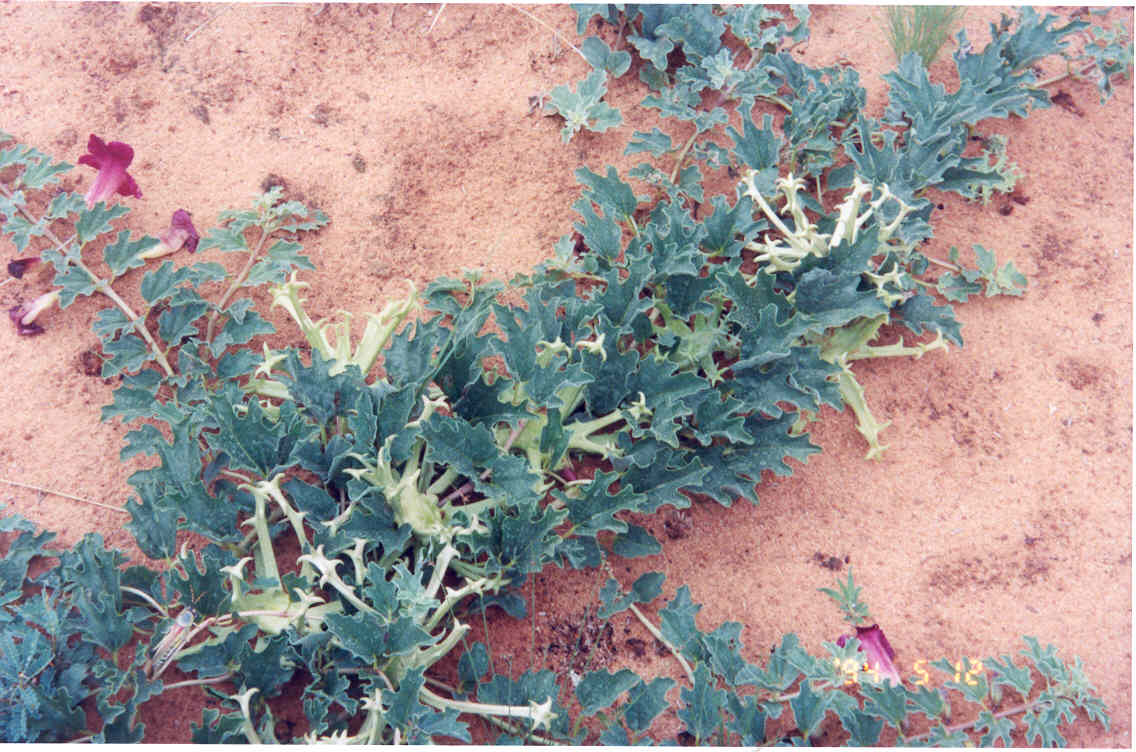
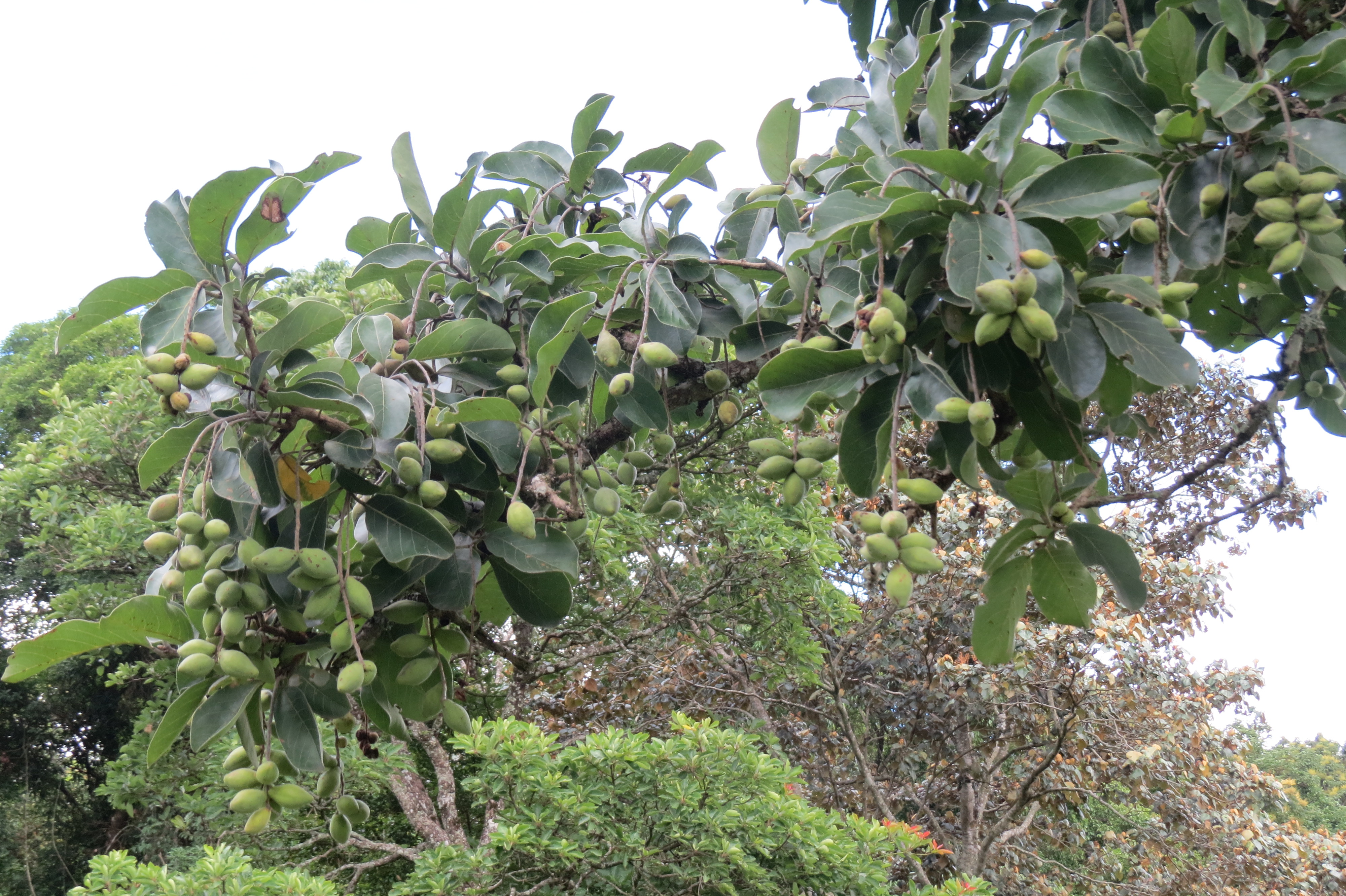
    Recent Advances on the Phytotherapeutic Potential of Ipomoea obscura: A Comprehensive Review

    Researchers have highlighted the pharmacological potential of Ipomoea obscura, a plant traditionally used in folk medicine. The review covers various studies investigating its phytotherapeutic properties, including anti-inflammatory, antioxidant, and antimicrobial activities. Identified bioactive compounds, such as flavonoids and alkaloids, have demonstrated efficacy in experimental models, suggesting that the plant may be an ally in treating various health conditions. However, most studies were conducted in vitro or in animal models, which limits the generalization of results to humans. Research on Ipomoea obscura may open new possibilities for integrative medicine, especially in the context of Ayurveda, where the use of medicinal plants is central.
  • openalex🗞️ Published on Ayurdrops: Aug 30, 2026📅 Source: Sep 01, 2026

    Nasal Drug Administration: Nasya and Parkinson's Disease

    Researchers explored the administration of medications via Nasya Karma, an Ayurvedic practice, as an innovative approach to treating Parkinson's Disease. The study highlights that delivering drugs directly to the brain through nasal pathways can improve the bioavailability and efficacy of treatments. The connection between Ayurveda and neuroscience is evident, as Nasya not only alleviates symptoms but may also influence neurobiological mechanisms, such as neuroprotection and modulation of inflammation. The authors, Dr. Meenakshi Amrutkar and Dr. Apurva Save, suggest that this approach could be a viable alternative to conventional methods, especially in patients with swallowing difficulties. However, the study is still preliminary and requires further investigation to validate these findings and better understand the mechanisms involved.

  • Apamarga / Agulha-de-deus
    openalex🗞️ Published on Ayurdrops: Aug 30, 2026📅 Source: Sep 01, 2026

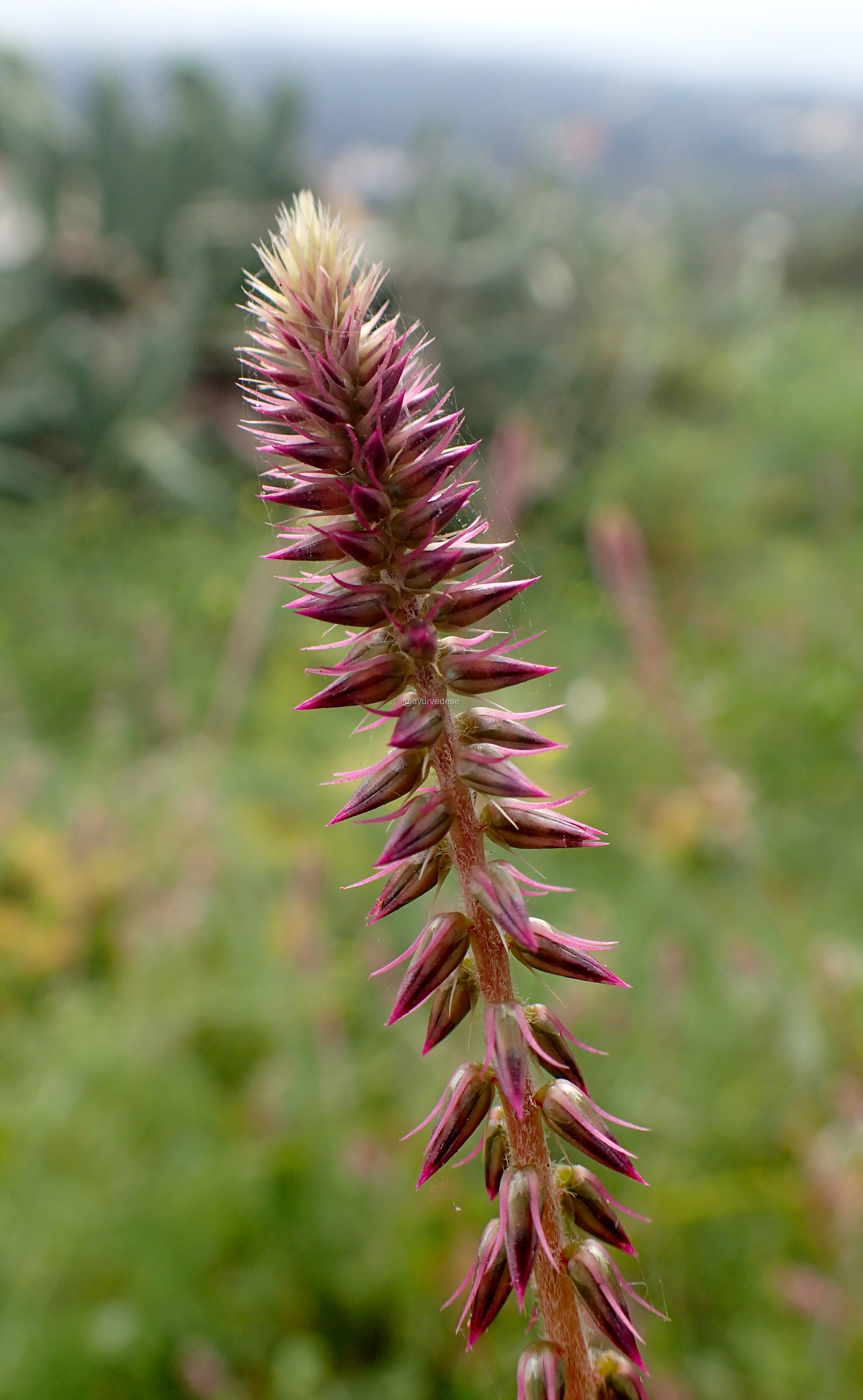
    Unraveling the Mysteries of Achyranthes aspera: A Holistic Review

    Researchers reviewed the medicinal properties of Achyranthes aspera, a plant widely used in traditional medicine. The study highlights its applications in various health conditions, including inflammation, pain, and digestive disorders. Achyranthes aspera contains bioactive compounds that demonstrate antioxidant and anti-inflammatory activity, suggesting significant therapeutic potential. Additionally, the plant is mentioned in classical Ayurvedic texts, where it is valued for its dosha-balancing properties. However, the study also points out the need for more clinical research to validate these effects and better understand the mechanisms of action. The review is an invitation to explore the richness of Achyranthes aspera in clinical practice and integrative health.

  • openalex🗞️ Published on Ayurdrops: Aug 30, 2026📅 Source: Sep 01, 2026

    Polycystic Ovary Syndrome and Srotoduṣṭi: A Critical Review

    Researchers analyzed Polycystic Ovary Syndrome (PCOS) from the perspective of srotoduṣṭi, an Ayurvedic concept referring to the obstruction of bodily channels. PCOS is a complex condition that affects ovarian function and is associated with hormonal imbalances, insulin resistance, and inflammation. The study highlights that srotoduṣṭi may be an important underlying factor in PCOS, suggesting that dysregulation of the srotas (channels) may contribute to the manifestation of symptoms. The review also mentions the importance of integrative approaches that consider both Western and Ayurvedic aspects in the treatment of PCOS, emphasizing the need for proper diagnosis and personalized interventions. Although the study provides valuable insights, limitations such as the lack of robust clinical data and the need for further research are acknowledged.

  • openalex🗞️ Published on Ayurdrops: Aug 30, 2026📅 Source: Sep 01, 2026

    Efficacy of Lodhradi Lepa in Patients with Tarunya Pitika: A Clinical Evaluation

    Researchers evaluated the efficacy of Lodhradi Lepa, an Ayurvedic formulation, in patients with Tarunya Pitika, a skin condition that manifests as skin eruptions. The study, conducted by Dr. Jayshri Sahu and colleagues, involved rigorous clinical analysis and observed significant improvements in the skin condition of participants after treatment. Topical application of Lodhradi Lepa demonstrated reduction of inflammation and promotion of healing, suggesting therapeutic potential for this formulation in managing dermatological conditions. The results indicate that Lodhradi Lepa may be a viable option for the treatment of Tarunya Pitika, although the study has limitations, such as sample size and the need for further investigation to confirm these findings.

  • openalex🗞️ Published on Ayurdrops: Aug 30, 2026📅 Source: Sep 01, 2026

    Factors Affecting Agni: A Study on Agnimandya

    Researchers have identified several factors that contribute to Agnimandya, a condition referring to the decrease in digestion and metabolism. The study, conducted by Dr. Dinesh Todkari and Asha Patel, used the Karya-Karana Siddhanta approach, which relates causes and effects, to explore how dietary habits, lifestyle, and emotional factors influence this condition. Among the identified factors, inadequate diet and stress stand out, as they can deregulate Agni — the digestive fire. The research suggests that understanding these factors is crucial for the treatment and prevention of Agnimandya, aligning with Ayurvedic principles that emphasize the importance of healthy digestion for overall well-being. Although the results are promising, the study has limitations, such as sample size and the need for validation in different clinical contexts.

  • openalex🗞️ Published on Ayurdrops: Aug 30, 2026📅 Source: Sep 01, 2026

    Objective Assessment of Vamana: Discover the New SVAS Tool

    Researchers have developed the Samyaka Vamana Assessment Score (SVAS), an innovative tool for objectively assessing Vamana Karma, a purification practice in Ayurveda. Vamana, which involves the induction of therapeutic vomiting, is used to balance doshas, especially in cases of excess Kapha. SVAS was created to standardize the evaluation of Vamana outcomes, allowing a more precise analysis of the procedure's effects and efficacy. The study, to be published in September 2026, highlights the importance of objective tools in Ayurvedic clinical practice, promoting a more scientific and measurable approach. Validation of SVAS can help therapists better monitor patient responses and adjust interventions according to individual needs, promoting more personalized and effective care.

  • openalex🗞️ Published on Ayurdrops: Aug 30, 2026📅 Source: Sep 01, 2026

    Panchakarma and obesity management: a case study

    Researchers demonstrated the efficacy of Panchakarma in managing obesity in a case study. The treatment involved a series of Ayurvedic therapies, including oleation, sudation, and purification, aimed at balancing the doshas and improving metabolism. The patient, who was overweight with associated symptoms, underwent a 21-day protocol, resulting in significant weight reduction and improvement in health parameters such as cholesterol and glucose levels. The authors, Dr. Umesh N. Patil and Dr. Mayuri Maheshkumar Agrawal, highlight that Panchakarma not only promotes weight loss but also acts on body detoxification, which is fundamental for obesity management. Although the results are promising, the study is limited by its single-case nature, requiring further investigation to validate these findings in larger populations.

  • openalex🗞️ Published on Ayurdrops: Aug 30, 2026📅 Source: Sep 01, 2026

    Herbs for the Liver: How They Can Support Hepatic Health and Productivity

    Researchers highlight the importance of yakritrogahara herbs for liver health and their influence on systemic productivity. The study, led by Dr. Vijayalakshmi D., explores how these herbs can act on hepatic disorders, promoting liver function and consequently improving overall vitality. Mechanisms of action include modulation of inflammatory processes and promotion of cellular regeneration in the liver. The research suggests that the use of these herbs may be a promising approach for treating hepatic conditions, although further studies are needed to validate these findings in clinical populations. The relevance of the topic connects with traditional Ayurvedic practices that value liver health as fundamental to overall well-being.

  • pubmed🗞️ Published on Ayurdrops: Aug 29, 2026📅 Source: Aug 27, 2026

    Spiritual Care Tools of the Hindu Tradition: A Holistic Approach to Facing Life's Challenges

    When we face challenges in life, the spiritual tools of the Hindu tradition offer valuable support. Rastogi and Ginder explore how practices such as meditation, rituals, and the philosophy of dharma can assist in overcoming emotional and spiritual difficulties. The study highlights the importance of the connection between body, mind, and spirit, emphasizing that spiritual care is not just a matter of belief but a practice that can be integrated into daily life. The authors discuss how these tools can be used in counseling and therapy contexts, promoting a space for healing and self-knowledge. The research suggests that implementing these practices can lead to greater resilience and well-being, reflecting ancestral wisdom that remains relevant today.

  • Haritaki
    pubmed🗞️ Published on Ayurdrops: Aug 29, 2026📅 Source: Aug 28, 2026

    Terminalia chebula and protection against Helicobacter pylori: what research reveals

    Researchers have demonstrated that the aqueous extract of Terminalia chebula has anti-adhesive and anti-inflammatory effects against the bacterium Helicobacter pylori. The study, published in the 'Journal of Ethnopharmacology', analyzed how lysine metabolism remodeling and fecal metabolomics are involved in this process. The authors, led by Ou et al., observed that the extract reduces the adhesion of the bacterium to gastric cells, which may be crucial for preventing infections and associated gastritis. Furthermore, the research suggests that the bioactive compounds present in Terminalia chebula may act by modulating the inflammatory response, offering a promising approach for managing gastric conditions. Although the results are encouraging, it is important to consider that the study was conducted in an experimental model, which limits the generalization of the findings to clinical practice.

  • Shilajit
    rss:maharishi🗞️ Published on Ayurdrops: Aug 28, 2026📅 Source: Aug 27, 2026

    Five Ayurvedic Remedies to Boost Energy and Combat Fatigue

    Researchers highlight the effectiveness of Ayurvedic remedies such as Shilajit and Ashwagandha in combating fatigue and increasing endurance. Shilajit, known as the 'Destroyer of Weakness', is valued for its revitalizing properties, helping to balance the Kapha dosha and promote physical strength. Ashwagandha, in turn, is recognized for its role in stress-related well-being and vitality. In addition to these herbs, lifestyle practices such as adequate rest and physical activity are essential for maintaining daily balance. Combining these approaches can offer significant support for those seeking to increase energy and endurance in their daily lives.

  • rss:maharishi🗞️ Published on Ayurdrops: Aug 28, 2026📅 Source: Aug 27, 2026

    Hair Falling Out? Understand the Causes and How Ayurveda Can Help

    Researchers have identified that hair loss in women can be influenced by factors such as stress, hormonal changes, nutritional deficiencies, and inadequate hair care practices. Although there is no immediate solution for hair loss, recognizing the causes early can help reduce excessive shedding and protect existing strands. Ayurveda addresses hair health by considering nutrition, digestion, stress, and the balance of the doshas, emphasizing the importance of scalp care and overall health. The condition known as Khalitya in Ayurveda is related to the Pitta dosha and the health of Agni, reflecting the need for a healthy environment for hair growth. Additionally, identifying early signs, such as a widening part or decreased volume, is crucial for effective treatment. The study suggests that professional evaluation is essential in cases of persistent or patchy hair loss, as there may be underlying causes that require attention.

  • Garra-do-diabo
    openalex🗞️ Published on Ayurdrops: Aug 28, 2026📅 Source: Aug 24, 2026

    Medicinal Plants for Musculoskeletal Disorders and Paralysis in Ethiopia: Bridging Traditional Knowledge and Pharmacological Evidence

    Ethiopian researchers reviewed the use of medicinal plants to treat musculoskeletal disorders and paralysis, highlighting 39 species with therapeutic potential. Among them, Harpagophytum procumbens and Commiphora molmol were identified as promising, showing anti-inflammatory and analgesic properties. The research also emphasizes the importance of integrating traditional knowledge with modern pharmacology, promoting a deeper understanding of the mechanisms of action of plants. Despite promising evidence, the study underscores the need for further clinical investigations to validate these traditional uses and better understand the effects of plants on the human body. The connection between traditional medicine and modern science may open new possibilities for the treatment of musculoskeletal conditions.

  • openalex🗞️ Published on Ayurdrops: Aug 28, 2026📅 Source: Aug 24, 2026

    Medicinal plants for skin problems: an ethnobotanical study in Chhattisgarh

    Researchers have identified several medicinal plants used to treat skin disorders in the Balodabazar-Bhatapara district of Chhattisgarh. The study, conducted by Shobhana Koshle and Deepa Biswas, highlights the importance of traditional knowledge in medicine. Among the plants studied, some have been recognized for their anti-inflammatory and antimicrobial properties, which are essential in treating conditions such as eczema and psoriasis. The research also reveals that the use of these plants is deeply rooted in local culture, reflecting healing practices passed down from generation to generation. Although the study provides valuable insight into the use of medicinal plants, limitations such as the lack of a control group and the need for additional scientific validation are mentioned, indicating that further research is necessary to confirm the efficacy of these plants.

  • openalex🗞️ Published on Ayurdrops: Aug 28, 2026📅 Source: Aug 24, 2026

    Reduction of Albumin-Creatinine Ratio with Integrative Ayurvedic Care in an Elderly Woman with Type 2 Diabetes and MASLD

    Researchers reported a significant reduction in the albumin-creatinine ratio in an elderly woman with type 2 diabetes and non-alcoholic fatty liver disease (MASLD) after the implementation of integrative Ayurvedic care. The patient, who had elevated levels of albumin in her urine, underwent a protocol that included dietary changes, herbal medicine, and lifestyle practices. Over the course of treatment, the albumin-creatinine ratio decreased, indicating an improvement in kidney function and diabetes control. The authors, Aman Singhal and colleagues, highlight the importance of integrative approaches that consider the individual as a whole, aligning with the principles of Ayurveda that emphasize the connection between body and mind. This case suggests that Ayurvedic interventions may be beneficial for patients with chronic conditions, although more studies are needed to validate these findings in larger populations.

  • Melão-de-São-Caetano
    openalex🗞️ Published on Ayurdrops: Aug 28, 2026📅 Source: Aug 24, 2026

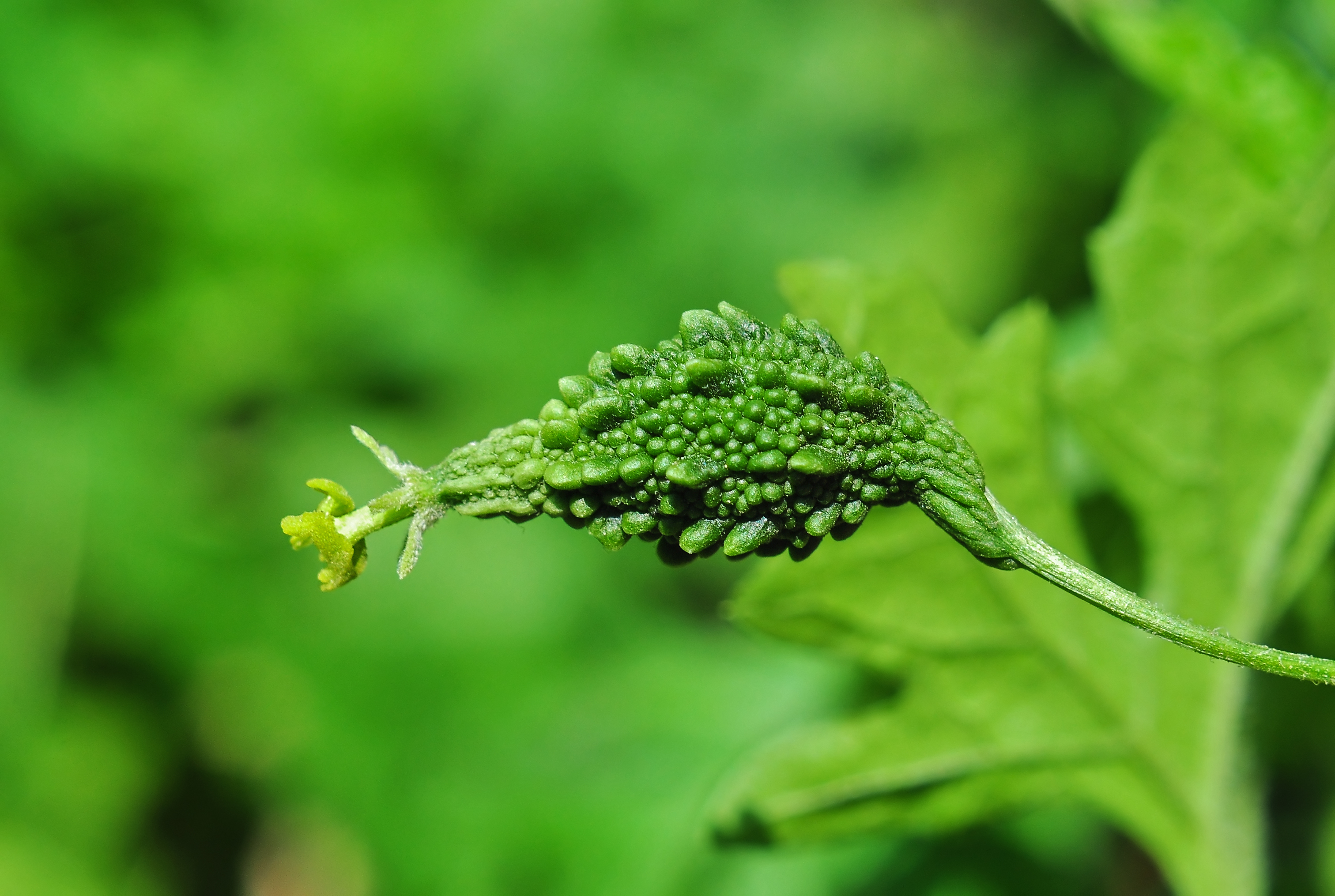
    Plants with antidiabetic potential: what tribal communities of Madhya Pradesh teach us

    Researchers reviewed 24 ethnomedicinal plants used by tribal communities in Madhya Pradesh, India, for diabetes management. Among the highlighted plants are Gymnema sylvestre, which acts by reducing glucose absorption, and Momordica charantia, known for its hypoglycemic properties. The authors, Rut Megha and colleagues, emphasize the importance of traditional knowledge in identifying natural resources that can aid in diabetes management. Although the research provides valuable insights, limitations such as the lack of robust clinical studies and variability in plant preparation are mentioned. The connection between Ayurvedic practices and the use of these ethnomedicinal plants suggests a promising path to integrate ancestral knowledge and modern science in blood sugar control.

  • openalex🗞️ Published on Ayurdrops: Aug 28, 2026📅 Source: Aug 25, 2026

    Reimagining Mental Health: Integrating Indigenous Wisdom and Contemporary Psychological Practice

    Researchers D. Anuroopa and Uma G. propose a new perspective on mental health, uniting the indigenous wisdom of India with modern psychological practices. The study highlights how integrating traditional knowledge can enrich the understanding and treatment of mental issues, promoting a more holistic model. The research suggests that the Ayurvedic approach, with its focus on balancing the doshas and the mind-body connection, can offer valuable insights for contemporary psychology. Furthermore, it emphasizes the importance of considering cultural and contextual practices in formulating psychological interventions, aiming for more effective and sensitive care tailored to individual needs. Although the study presents a promising vision, it is important to note that implementing these practices requires further investigation and adaptation to contemporary realities.

  • Neem / Nim Indiano
    openalex🗞️ Published on Ayurdrops: Aug 28, 2026📅 Source: Aug 25, 2026

    Nimba-Madhu: Clinical evaluation of an ointment for episiotomy wounds

    Researchers evaluated the efficacy of the Nimba-Madhu ointment in healing episiotomy wounds in a case study. The treatment was performed on a patient who presented pain and discomfort in the wound area. After applying the ointment, a significant reduction in pain was observed, along with an improvement in the wound's appearance over a period of 14 days. The authors, Rahul N Gajare and Sameeksha Sanjog Shah, highlight that Nimba-Madhu, which combines properties of Nimba (Azadirachta indica) and honey, may have a synergistic effect on healing due to its antimicrobial and anti-inflammatory properties. Although the results are promising, the study is limited by its single-case nature, which prevents broad generalizations. The relationship between Ayurvedic principles and modern medicine is evident, as the use of natural ingredients to promote healing is a common practice in Ayurveda.

  • openalex🗞️ Published on Ayurdrops: Aug 28, 2026📅 Source: Aug 26, 2026

    Swadamshtradi rasayana and radiation protection: how to improve sperm health

    Researchers have demonstrated that Swadamshtradi rasayana reduces oxidative stress induced by radiofrequency radiation and improves sperm parameters in Swiss albino mice. The study, conducted by Vahab Rahimkutty Abdul and collaborators, highlights the importance of Swadamshtradi rasayana, an Ayurvedic formulation, in protecting against damage caused by electromagnetic radiation, which is increasingly common in our daily lives. The results showed a significant improvement in sperm count and motility, suggesting that the combination of herbs in the formulation may act as an effective antioxidant. Although the findings are promising, it is important to note that the study was conducted in an animal model, which limits the generalization of the results to humans. Further research is needed to understand the exact mechanisms involved and the clinical applicability in humans.