Public feed

Ayurvedic editorial curation

Science articles classified by dosha, srota and dhatu. Filter to find what matters to you today.

  • openalex🗞️ Published on Ayurdrops: Sep 04, 2026📅 Source: Sep 03, 2026

    Swarnaprashan and childhood immunity: how to prevent recurrent respiratory infections

    Researchers highlight the role of Swarnaprashan in improving immunity in children, especially in preventing recurrent upper respiratory tract infections (URTIs). Swarnaprashan, an Ayurvedic practice involving the administration of gold in powder form, is traditionally used to strengthen the immune system. The article reviews evidence suggesting that this practice may reduce the frequency and severity of URTIs in children. The authors, Dr. Neha Bawane, Dr. Jayprakash Khairnar, and Dr. Vikram Shelavale, discuss potential mechanisms, such as modulation of the immune response and strengthening of Agni (digestion) in children. Although the results are promising, it is important to note that the research is still preliminary and further studies are needed to validate these findings in larger populations and with adequate control groups.
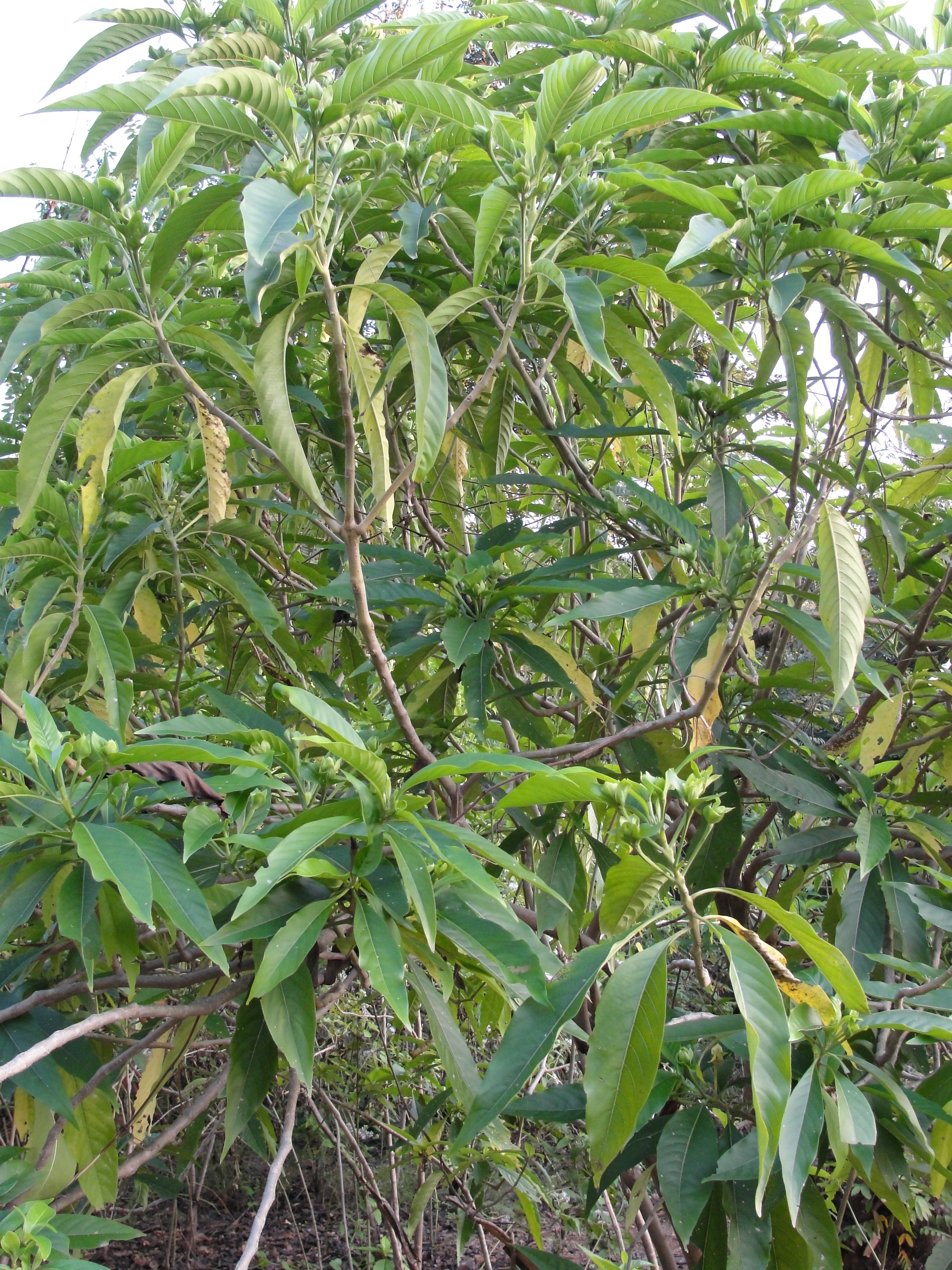
  • Vāsā / Malabar Nut
    openalex🗞️ Published on Ayurdrops: Sep 04, 2026📅 Source: Sep 03, 2026

    Kantkari Ghrita and Vasa Avaleha in the treatment of cough: a comparative study

    Researchers evaluated the efficacy of two Ayurvedic formulations, Kantkari Ghrita and Vasa Avaleha, in treating cough (kasa) of different etiologies. The study included patients with chronic and acute cough, and the results showed that both interventions presented significant improvements in symptoms. Kantkari Ghrita, which contains the herb Kantkari (Solanum xanthocarpum), demonstrated a more pronounced effect in reducing dry cough, while Vasa Avaleha, which includes the herb Vasa (Adhatoda vasica), was more effective in cases of productive cough. The evaluation was done through questionnaires and symptom scales, and the results were statistically significant, with a mean reduction of 30% in symptoms after treatment. This study highlights the importance of personalized approaches in Ayurveda, considering the nature of the cough and the patient's constitution.

  • openalex🗞️ Published on Ayurdrops: Sep 04, 2026📅 Source: Sep 03, 2026

    The Role of Virechana in the Treatment of Anal Fistula: A Conceptual Approach

    Researchers discuss Virechana, a purgative therapy from Ayurveda, as a potential approach for the treatment of anal fistula, known as Bhagandara. This condition, which can cause significant pain and discomfort, is often challenging to treat. Virechana works by promoting the elimination of toxins and balancing the doshas, especially Pitta, which is often exacerbated in cases of inflammation and infection. The research suggests that the proper application of Virechana may not only relieve symptoms but also help in the healing of fistulas. However, the study emphasizes the need for further clinical investigations to validate these findings and better understand the mechanisms involved. The Ayurvedic approach, which considers the individual as a whole, may offer a valuable perspective for the management of this complex condition.

  • openalex🗞️ Published on Ayurdrops: Sep 04, 2026📅 Source: Sep 03, 2026

    Raktasara Purusha and tissue nutrition: a critical review

    Researchers analyzed the relationship between Raktasara Purusha and the process of dhātu poṣaṇa, which refers to the nourishment and maintenance of tissues in the body. The study, conducted by Manohar Ram and Anjali Rai, highlights the importance of Raktasara, or 'nutritive blood', as one of the primary dhātus in Ayurveda, essential for health and vitality. The critical review suggests that the quality of Raktasara directly influences the formation and maintenance of other dhātus, such as māṃsa (muscle) and meda (fat). Furthermore, the research discusses how imbalances in Raktasara can lead to pathologies, emphasizing the need for a deeper understanding of the interconnection among dhātus. Although the study provides valuable insights, limitations such as the lack of direct clinical data and the need for further investigations on practical application in the modern context are mentioned.

  • openalex🗞️ Published on Ayurdrops: Sep 04, 2026📅 Source: Sep 03, 2026

    Understanding Nidranāśa in Ayurveda: A Lifestyle Disorder

    Researchers have identified that Nidranāśa, or loss of sleep, is considered a lifestyle disorder in Ayurveda. This study, conducted by Dr. Samriddhi, Dr. Rishabh Jain, and Dr. Pragya Sharma, explores how factors such as stress, inadequate diet, and lack of routine contribute to this condition. Nidranāśa is associated with imbalances in the doshas, especially Vāta, which can be exacerbated by modern habits. The research suggests that Ayurvedic interventions, such as meditation practices and dietary adjustments, may help restore healthy sleep. Although the study provides valuable insights, it is important to note that the evidence is preliminary and more research is needed to validate these approaches.

  • openalex🗞️ Published on Ayurdrops: Sep 04, 2026📅 Source: Sep 03, 2026

    Immunity in Ayurveda: A Modern Perspective

    Researchers highlight that immunity, or vyadhikṣamatva, is a central concept in Ayurveda, reflecting the body's ability to resist disease. The study by Dr. Sunil Kumar Choudhary and Dr. Pradeep Kumar Sachan correlates this Ayurvedic view with modern concepts of immunology. They discuss how factors such as diet, lifestyle, and the balance of the doshas influence immunity. The research suggests that activation of the immune system can be optimized through Ayurvedic practices, such as the use of specific herbs and the maintenance of a healthy Agni (digestion). Furthermore, the study mentions that mental and emotional health also plays a crucial role in immunity, aligning with the idea that holistic well-being is fundamental for resistance to disease. Although the study offers valuable insights, limitations such as the lack of controlled clinical trials are noted, indicating the need for more research to validate these correlations.

  • rss:maharishi🗞️ Published on Ayurdrops: Sep 03, 2026📅 Source: Sep 02, 2026

    Common Coconut Oil and Virgin Coconut Oil: Understand the Differences

    Researchers highlight that virgin coconut oil is extracted from the fresh meat of the coconut, while common coconut oil generally comes from copra, that is, the dried meat of the coconut. The extraction process of virgin oil is minimally processed, preserving antioxidant compounds and the natural aroma of the coconut. In contrast, common oil is refined, bleached, and deodorized, resulting in a neutral flavor and a lower amount of beneficial compounds. Virgin coconut oil, especially the cold-pressed one, is considered Sattvic in Ayurveda, being more nutritious and suitable for culinary and cosmetic use. Furthermore, cold extraction keeps enzymes and nutrients intact, unlike the hot pressing method, which can degrade these compounds. The choice of oil type can impact not only flavor and aroma but also health and skin benefits.

  • Haritaki
    pubmed🗞️ Published on Ayurdrops: Sep 02, 2026📅 Source: Sep 01, 2026

    Identification of xanthine oxidase inhibitors in Terminalia chebula for the treatment of hyperuricemia

    Researchers identified xanthine oxidase inhibitors from Terminalia chebula, a plant commonly used in traditional medicine, for the treatment of hyperuricemia. The study used surface plasmon resonance technique to isolate active compounds, revealing that plant extracts can reduce uric acid levels in the blood. The authors, including Yin et al., highlight the importance of Terminalia chebula in Ayurvedic medicine, where it is valued for its anti-inflammatory and antioxidant properties. The results suggest that the plant may be a viable alternative for managing hyperuricemia, although further clinical studies are needed to confirm its efficacy and safety in humans.

  • europepmc🗞️ Published on Ayurdrops: Sep 02, 2026📅 Source: Aug 31, 2026

    Understanding Constitutional Types in Ayurveda: A Deep Transcriptomic Analysis

    Researchers identified eighteen gene co-expression modules associated with different constitutional types (Prakriti) in Ayurveda, revealing distinct patterns of regulation and metabolic activity. The analysis showed that the Vata-related module is associated with innate immune system activation, while the Pitta module highlights chromatin regulation and ubiquitin-mediated proteolysis. The Kapha module, in turn, is rich in RNA processing and DNA repair processes. Dark kinase activity was also analyzed, revealing reciprocal constitutional patterns, such as elevation of ALPK3 and STK31 in Kapha, and BRSK1, WNK2, and STKLD1 in Vata. The analysis suggests that the molecular divergence associated with Prakriti is not simply encoded in isolated genes, but in a specific regulatory wiring that encompasses co-expression, transcription factors, and immunological and metabolic layers. These findings advance the understanding of constitutional biology in Ayurveda, offering a basis for future validations in personalized medicine and precision immunology.

  • Triphalā / Três Frutos
    pubmed🗞️ Published on Ayurdrops: Sep 02, 2026📅 Source: Jan 01, 2026

    Triphala and Gomūtra in the treatment of vaginal candidiasis: an exploratory clinical trial

    Researchers conducted a randomized clinical trial to evaluate the efficacy of Triphalā Kaṣāya, a vaginal wash, with and without the addition of Gomūtra Arka, in the treatment of vaginal candidiasis. The study included participants who were divided into two groups: one received only Triphalā Kaṣāya, while the other received the combination with Gomūtra Arka. The results showed that the combination was more effective in reducing symptoms and eliminating the causative agent of the infection. The use of Gomūtra Arka, which is considered purifying and has antimicrobial properties, may enhance the effects of Triphalā, which is already known for its anti-inflammatory and balancing properties. This study suggests a new approach to treating vaginal candidiasis, integrating Ayurvedic practices with modern clinical evidence. However, limitations such as sample size and the need for further controlled studies were noted.

  • rss:maharishi🗞️ Published on Ayurdrops: Sep 01, 2026📅 Source: Aug 31, 2026

    Organic cow ghee: benefits and uses in health

    Researchers highlight that organic cow ghee, a type of clarified butter, is highly valued in Ayurveda for its nutritive and digestive properties. Produced from the milk of cows fed on pasture free from chemical products, ghee is considered sattvic, meaning it is pure and beneficial for health. It is associated with Ayurvedic concepts such as Agni (digestion), Ojas (vital energy), and Rasayana (rejuvenation). Besides being a common ingredient in cooking, ghee is used in traditional wellness practices and medicinal preparations. Studies indicate that its consumption can help build Ojas and improve immunity. However, it is important to remember that, being caloric, ghee should be consumed in moderation, taking into account each person's individual needs.

  • pubmed🗞️ Published on Ayurdrops: Sep 01, 2026📅 Source: Aug 17, 2026

    Hedychium coronarium: Ethnobotany, Phytotherapy, and Therapeutic Potential

    Researchers reviewed the ethnobotany, phytocompounds, and therapeutic potential of Hedychium coronarium, a plant commonly used in traditional medicine. The authors, Ahirwar, Rathee, and Patil, highlight that this species contains various bioactive compounds, such as flavonoids and terpenoids, which demonstrate anti-inflammatory, antioxidant, and antimicrobial activities. The review also mentions the traditional use of the plant in various cultures, especially in Ayurvedic medicine, where it is valued for its properties of balancing the doshas. Although the data are promising, the authors emphasize the need for more clinical studies to validate these properties and understand the mechanisms of action involved. The current research is an important step toward integrating ethnobotanical knowledge with modern science, promoting a more holistic approach to health.

  • pubmed🗞️ Published on Ayurdrops: Aug 31, 2026📅 Source: Aug 25, 2026

    Sphaeranthus indicus and its anxiolytic potential: what research reveals

    Researchers have identified bioactive compounds in Sphaeranthus indicus that may act as anxiolytics. Through a network pharmacology approach and molecular simulations, the study revealed that these compounds interact with relevant biological targets, modulating signaling pathways associated with stress and anxiety. The authors, led by Joshi et al., highlight the importance of understanding the molecular mechanisms to enhance the use of this plant in clinical practice. Although the results are promising, it is important to consider that the research was conducted in computational models and that clinical studies are needed to validate these findings. The traditional use of Sphaeranthus indicus in Ayurvedic medicine as a nervous tonic may find support in scientific evidence, but practical application should be done with caution until more data are available.

  • Gengibre
    rss:maharishi🗞️ Published on Ayurdrops: Aug 30, 2026📅 Source: Aug 28, 2026

    Ayurvedic Teas for Digestion and Bloating: How to Choose the Best?

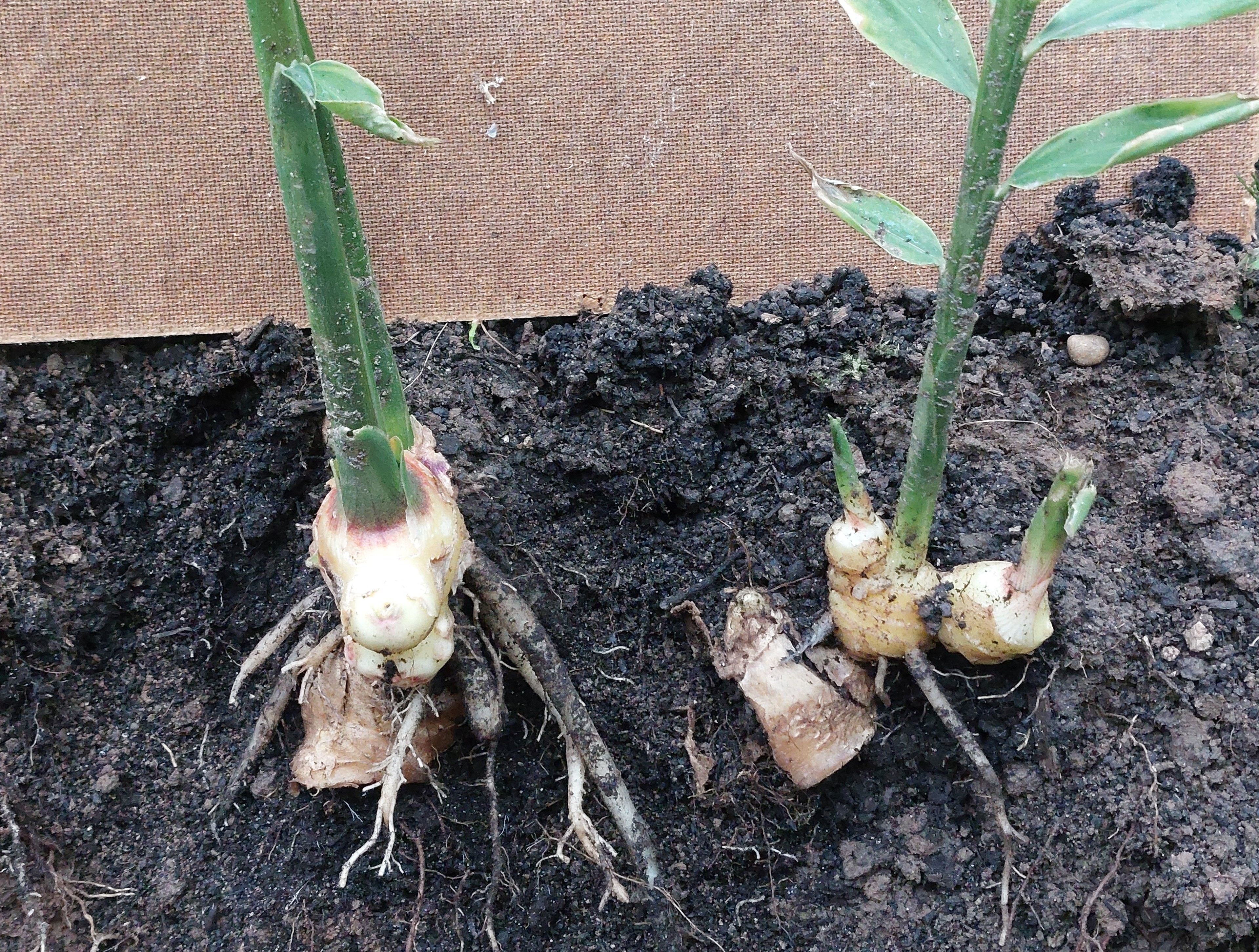
    Researchers highlight that choosing the ideal Ayurvedic tea for digestion depends on specific symptoms such as bloating, acidity, or irregular digestion. Common ingredients include ginger, fennel, cumin, and coriander, each with properties that can relieve digestive discomfort. Ayurveda emphasizes Agni, or digestive capacity, as central to digestive well-being. For example, Vishama Agni, characterized by irregular appetite and bloating, can benefit from warming herbs like ginger and cumin. Tikshna Agni, which presents with acidity, can be alleviated with milder herbs like coriander. The choice of tea should consider the individual's Prakriti (constitution), Vikriti (deviation), and Agni, as well as the time of day and symptoms. It is important to remember that, although teas can offer support, they are not magic solutions and may interact with medications. Therefore, personalization is key.

  • Óleo de Rícino
    rss:maharishi🗞️ Published on Ayurdrops: Aug 30, 2026📅 Source: Aug 28, 2026

    Castor Oil in Ayurveda: Uses, Benefits, and Safety

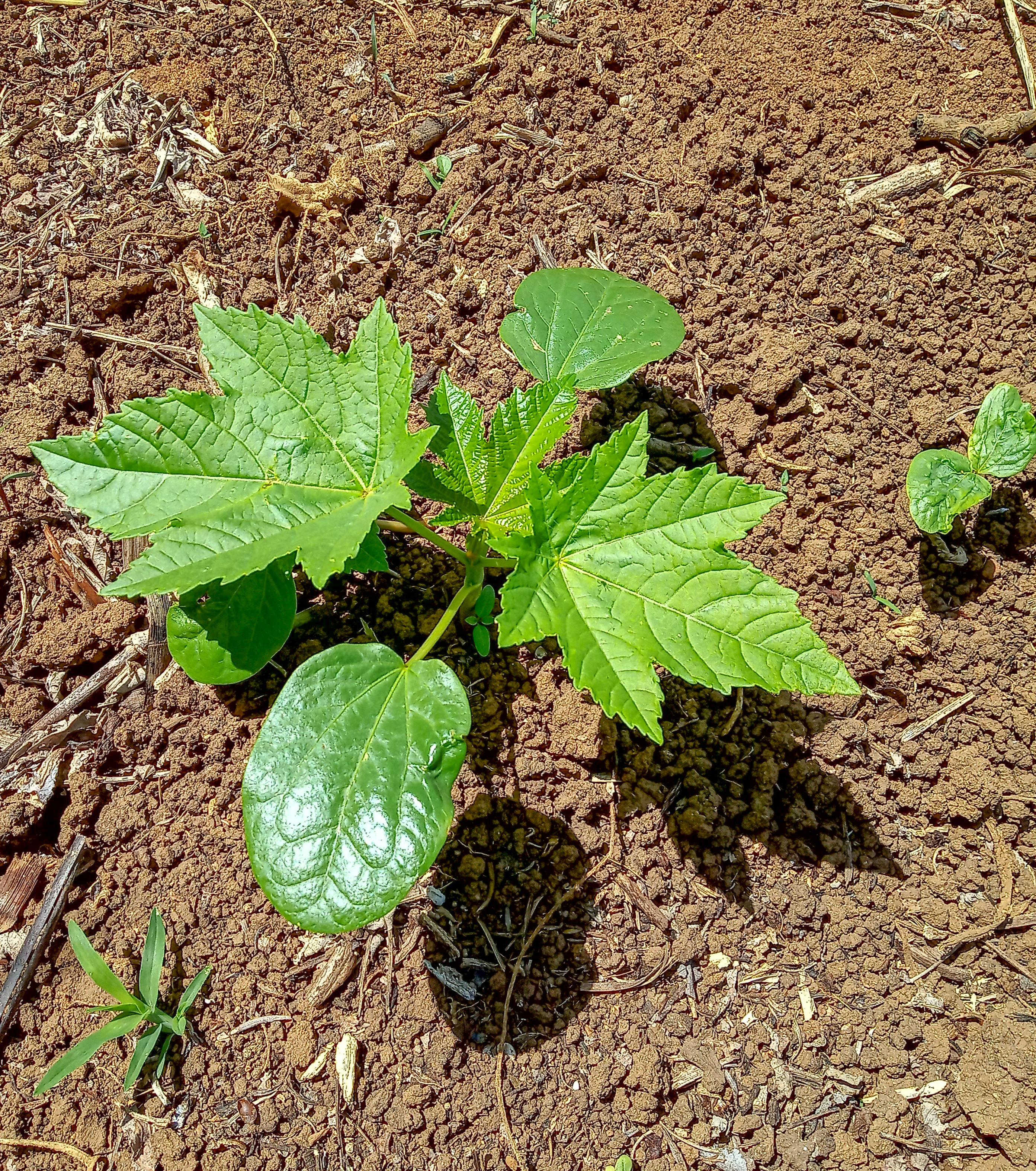
    Researchers highlight castor oil, or Eranda Taila, as a valuable resource in Ayurvedic practice. Extracted from the seeds of the Ricinus communis plant, this oil is known for its anti-inflammatory and laxative properties, due to the presence of ricinoleic acid. Traditionally, it is used both internally and externally, offering digestive support, promoting cleansing of the body, and being widely applied in massages and skin and hair care. The oil is especially effective for balancing the Vata dosha, due to its warm and nourishing qualities. Additionally, its action helps improve vitality and reproductive health, making it an ally in tissue rejuvenation. However, caution is important with internal use, avoiding excess and following proper guidance.

  • rss:maharishi🗞️ Published on Ayurdrops: Aug 30, 2026📅 Source: Aug 28, 2026

    Virgin Coconut Oil in the Kitchen: How to Use It Wisely

    Researchers highlight that virgin coconut oil is suitable for low to medium temperature cooking methods, such as sautéing, baking, and preparing traditional Indian dishes. This minimally processed oil preserves its aroma and natural plant compounds, being especially beneficial in recipes that pair well with its characteristic flavor, such as curries and South Indian dishes. In Ayurveda, coconut oil is considered Sheeta (cooling) and Snigdha (unctuous), making it ideal for balancing Pitta, especially in hot climates. Although it is caloric and rich in saturated fat, moderate use can be part of a balanced diet. It is important to avoid overheating the oil, always opting for cold-pressed versions and storing properly to maintain its properties.

  • Acariçoba
    rss:maharishi🗞️ Published on Ayurdrops: Aug 30, 2026📅 Source: Aug 28, 2026

    Ayurvedic Health Supplements: How to Choose Wisely

    Researchers highlight that Ayurvedic health supplements, such as herbal powders, capsules, and traditional formulations, should be chosen based on individual health needs, digestion, and constitution. Ayurveda emphasizes that these supplements are complementary and should not replace a nutritious diet or a balanced lifestyle. It is essential to select quality products and seek guidance from qualified professionals, as some supplements may contain unsafe levels of metals or inappropriate ingredients. The choice should be guided by real health concerns, not market trends. Furthermore, individualization is key, as what works for one person may not be suitable for another, even if it contains well-known herbs like Ashwagandha or Brahmi.

  • openalex🗞️ Published on Ayurdrops: Aug 30, 2026📅 Source: Sep 01, 2026

    Yavakṣīrapāka and the management of obesity in PCOS cases: a case study

    Researchers presented a case study exploring the use of Yavakṣīrapāka, an Ayurvedic preparation, in managing obesity associated with polycystic ovary syndrome (PCOS). The patient, diagnosed with PCOS, was overweight and had related symptoms such as menstrual irregularities. After the administration of Yavakṣīrapāka, a significant reduction in body weight and abdominal circumference was observed, along with improvements in menstrual cycles. The study suggests that the action of Yavakṣīrapāka may be related to its ability to balance Agni (digestion) and promote the elimination of toxins (ama), fundamental aspects in Ayurveda for treating obesity. Although the results are promising, the study is limited by being a single case, which prevents broad generalizations.

  • Cúrcuma
    openalex🗞️ Published on Ayurdrops: Aug 30, 2026📅 Source: Sep 01, 2026

    Psoriasis (Ek Kuṣṭha) in Ayurveda: What a Case Study Reveals

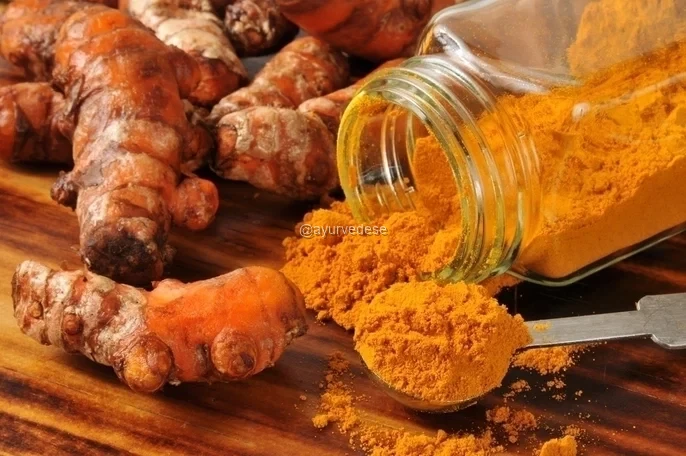
    Researchers presented a case study on psoriasis, known as Ek Kuṣṭha in Ayurveda, highlighting the efficacy of Ayurvedic interventions. The treatment included the use of herbs such as Turmeric (Curcuma longa) and Neem (Azadirachta indica), which possess anti-inflammatory and antimicrobial properties. The authors, Dr. Ranjana Nautiyal, Dr. Arvind Gupta, and Dr. Roopali Barmola, observed significant improvements in the patient's skin condition after 12 weeks of treatment, with a reduction in scaling and itching. The holistic approach of Ayurveda, which considers the balance of the doshas and the health of Agni (digestion), was fundamental to the treatment's success. This study suggests that Ayurvedic practices may be a viable alternative for managing psoriasis, although more research is needed to validate these findings in larger populations.

  • openalex🗞️ Published on Ayurdrops: Aug 30, 2026📅 Source: Sep 01, 2026

    Yavakṣīrapāka and obesity associated with PCOS: a case study

    Researchers presented a case study exploring the efficacy of Yavakṣīrapāka, an Ayurvedic preparation, in managing obesity in patients with Polycystic Ovary Syndrome (PCOS). The patient, who was overweight and had symptoms associated with PCOS, was treated with Yavakṣīrapāka for a period of 12 weeks. The results showed a significant reduction in body mass index (BMI) and waist circumference, as well as improvements in hormonal levels, such as reduced insulin. Yavakṣīrapāka, which is made from a mixture of grains and milk, is known for its digestive and nutritive properties, aligning with Ayurvedic principles that emphasize the importance of Agni (digestion) in health. This study suggests that specific dietary interventions may be effective in managing obesity related to PCOS, although more research is needed to confirm these findings in larger populations.