Public feed

Ayurvedic editorial curation

Science articles classified by dosha, srota and dhatu. Filter to find what matters to you today.

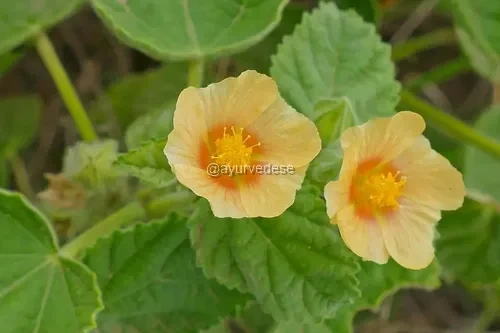
  • Bala / Guanxuma
    europepmc🗞️ Published on Ayurdrops: Sep 05, 2026📅 Source: Sep 04, 2026

    Yoga and Ayurveda Together: A New Perspective on Multiple Sclerosis

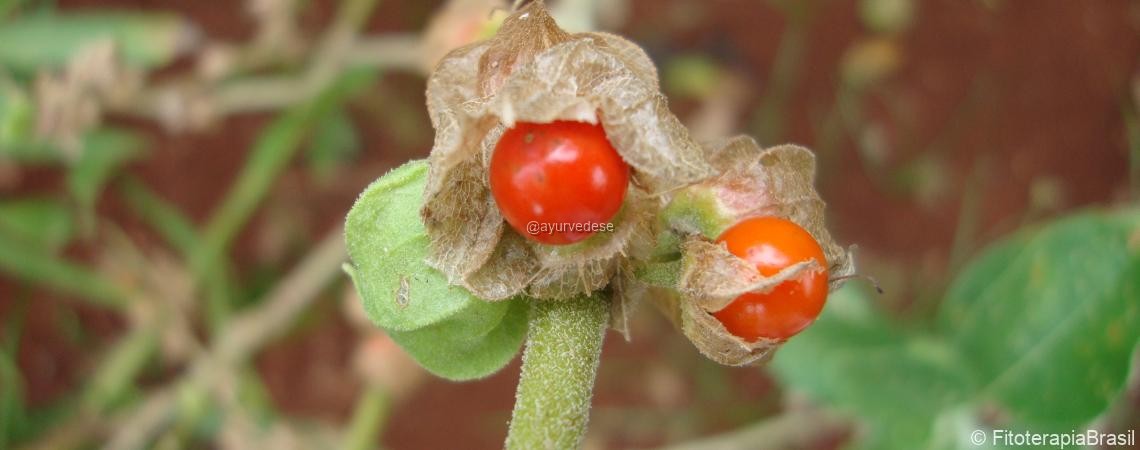
    Researchers are investigating the effects of an integrated Yoga and Ayurveda program on patients with multiple sclerosis (MS). MS is a neurodegenerative autoimmune disease that causes inflammation and nerve damage, and conventional treatments often have limited efficacy and significant side effects. The study, which will involve 60 patients, will evaluate the effectiveness of a three-month program combining Ayurvedic Rasayanas, such as Lashuna, Bala, and Shatavari, with yoga therapy. Primary outcomes include measures of clinical disability, functional capacity, quality of life, cognition, and psychological parameters. Additionally, immunological biomarkers and gut microbiome composition will be analyzed. It is expected that the group receiving the integrated treatment will show significant improvements compared to standard treatment, mediated by mechanisms of neuroinflammatory modulation and neural protection. The study is registered in the Clinical Trials Registry-India and will be conducted until 2027.
  • openalex🗞️ Published on Ayurdrops: Sep 05, 2026📅 Source: Sep 03, 2026

    Ayurvedic Treatment of Urethral Stricture: A Case Study

    Researchers presented a successful clinical case of treating urethral stricture using Ayurvedic principles. The patient, a 45-year-old man, presented with symptoms of urinary difficulty and pain. The approach included the use of herbs such as Gokshura (Tribulus terrestris) and Varuna (Crataeva nurvala), which are known for their diuretic and anti-inflammatory properties. After a 12-week treatment, there was a significant improvement in symptoms, with reduced pain and normalization of urinary flow. The study highlights the importance of considering patient individuality and the relationship between the doshas and urinary system health. Although the results are promising, the study is limited to a single case, which requires caution in generalizing the findings.

  • openalex🗞️ Published on Ayurdrops: Sep 05, 2026📅 Source: Sep 03, 2026

    Dasha Moola and Shilajatu in the Treatment of Vataṣṭhila: A Case Study on Benign Prostatic Hyperplasia

    Researchers presented a case study exploring the efficacy of combining Dasha Moola Kwath and Shilajatu (Asphaltum punjabinum) in the treatment of Vataṣṭhila, focusing on benign prostatic hyperplasia (BPH). The patient, a 65-year-old man, presented with symptoms such as difficulty urinating and increased prostate volume. After 8 weeks of treatment, a significant reduction in symptoms was observed, with improvement in urinary frequency and a decrease in prostate volume. Dasha Moola, a combination of ten herbs, works to balance the doshas, while Shilajatu is known for its revitalizing and anti-inflammatory properties. The study suggests that combining these two approaches may offer a promising alternative for managing BPH, although more research is needed to validate these findings in a larger population.

  • openalex🗞️ Published on Ayurdrops: Sep 05, 2026📅 Source: Sep 03, 2026

    Agnikarma with Gud Dagdha for Frozen Shoulder: A Case Study

    Researchers demonstrated the efficacy of Agnikarma, an Ayurvedic therapy that uses heat, in a case of frozen shoulder. The treatment was performed with Gud Dagdha, a form of heated ghee, which promotes circulation and relieves pain. After the procedure, the patient showed a significant reduction in pain and an improvement in the range of motion of the affected shoulder. The study highlights the importance of Agnikarma in clinical practice for musculoskeletal conditions, especially when conventional methods fail. Although the study is a single case report, the results suggest that this approach may be a viable alternative for the treatment of frozen shoulder, which is often challenging to treat. Limitations include the lack of a control group and the need for further studies to validate these findings in a larger population.

  • openalex🗞️ Published on Ayurdrops: Sep 05, 2026📅 Source: Sep 03, 2026

    Sahachar Taila and Matra Basti in Adenomyosis: An Ayurvedic Perspective

    Researchers explored the use of Sahachar Taila in Matra Basti as an approach to adenomyosis, a condition that affects the uterus and can cause pain and menstrual irregularities. The study, conducted by Dr. Trushna Yogesh Agam, suggests that the application of Sahachar Taila through Matra Basti may help balance the doshas and promote uterine health. The Matra Basti technique involves the administration of medicated oil, which is absorbed by the body, providing relief and support to the reproductive system. Preliminary results indicate a significant reduction in symptoms, although more research is needed to confirm these findings. The relationship between Ayurvedic practice and modern physiology is evident, as the treatment aims not only to relieve symptoms but also to address the underlying cause of adenomyosis.

  • openalex🗞️ Published on Ayurdrops: Sep 05, 2026📅 Source: Sep 03, 2026

    Agnikarma: A Minimally Invasive Procedure for the Treatment of Mucocele

    Researchers demonstrated the efficacy of Agnikarma, an Ayurvedic technique, in the treatment of mucocele (jalarbuda) in a case study. The procedure involves the application of heat to specific points, promoting healing and reduction of the lesion. In the presented case, the patient, who suffered from mucocele, showed significant improvement after treatment, with reduction in lesion size and relief of symptoms. Agnikarma works by activating local blood flow and modulating the inflammatory response, promoting tissue regeneration. This study highlights the relevance of Agnikarma as a minimally invasive alternative compared to traditional surgical methods, which can be more aggressive and present greater risks. Although the results are promising, it is important to consider that this is a case study, and more research is needed to validate efficacy in a larger population.

  • Ashwagandha / Ginseng Indiano
    openalex🗞️ Published on Ayurdrops: Sep 05, 2026📅 Source: Sep 03, 2026

    Reversal of azoospermia and recovery of secondary sexual characteristics with Ayurvedic treatment: a case report

    Researchers reported the reversal of azoospermia in a patient after Ayurvedic treatment. The case involved a 32-year-old man who had azoospermia for 18 months. The treatment included a combination of herbs, diet, and lifestyle practices, resulting in a significant increase in sperm count and recovery of secondary sexual characteristics. The Ayurvedic protocol focused on improving Agni (digestion) and promoting reproductive health, using herbs such as Aśvagandha (Withania somnifera) and Shatavari (Asparagus racemosus). After 6 months of treatment, the sperm count increased from zero to 15 million per milliliter, and the patient reported improvements in libido and sexual function. This case highlights the importance of integrative approaches in male reproductive health, although further studies are needed to validate these findings in larger populations.

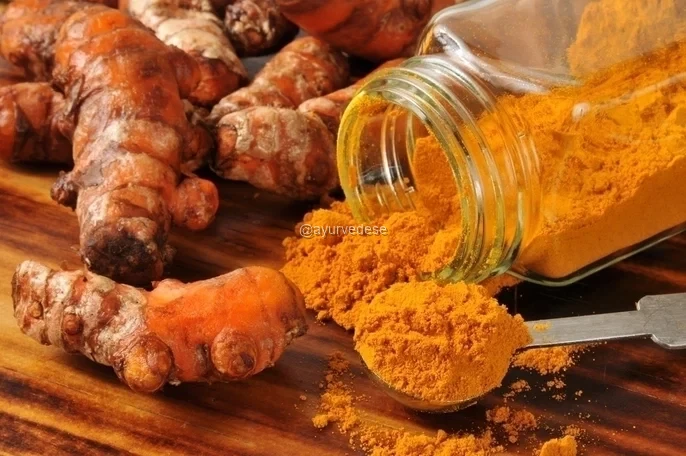
  • Cúrcuma
    openalex🗞️ Published on Ayurdrops: Sep 05, 2026📅 Source: Sep 03, 2026

    Complete Ayurvedic Approach for Amavata (Rheumatoid Arthritis): A Case Study

    Researchers presented a clinical case of Amavata, or rheumatoid arthritis, treated with an Ayurvedic approach that included Panchakarma and internal medications. The treatment was conducted by Dr. Shivani Mahajan and Dr. Kanishka Gaur, and demonstrated positive results in reducing pain and inflammation. The patient underwent a detoxification process followed by specific therapies, such as Abhyanga (oil massage) and Swedana (sudation), which helped balance the doshas and improve joint mobility. Additionally, herbal remedies were used to strengthen the immune system and reduce stiffness. This study highlights the importance of a holistic and personalized approach in treating rheumatoid arthritis, aligning traditional practices with modern medicine.

  • Ashwagandha / Ginseng Indiano
    pubmed🗞️ Published on Ayurdrops: Sep 05, 2026📅 Source: Jan 01, 2026

    Ayurvedic Interventions for Primary Insomnia in the Elderly: A Review of Clinical Evidence and Research Gaps

    Researchers have identified that Ayurvedic interventions may be effective in treating primary insomnia in the elderly, with a systematic review covering various clinical studies. The practices analyzed include the use of herbs such as Aśvagandhā (Withania somnifera) and meditation techniques, which have shown improvements in sleep quality and reductions in anxiety. The authors Kulkarni et al. highlight that, despite promising evidence, significant research gaps remain, such as the lack of randomized controlled trials and the need for standardized protocols. Insomnia in the elderly is a common issue that can affect overall health, and integrating Ayurveda with conventional medicine may offer a viable path for managing this condition.

  • Ghee
    rss:maharishi🗞️ Published on Ayurdrops: Sep 04, 2026📅 Source: Sep 01, 2026

    Navratri Recipes According to Ayurveda: Light Meals for a Fast That Supports Digestion

    During the Navratri fast, the intention is to eat more lightly and reset the dietary routine. However, fasting dishes often become heavy, full of fried foods and large portions. Ayurveda suggests that instead of focusing only on what is allowed, we should consider how foods are prepared and how we feel after the meal. The goal is to choose simple, fresh dishes that do not overwhelm digestion. Recipes like the Samak Pulao Bowl and Lauki chips are examples of how to transform traditional ingredients into complete, festive meals. Ayurveda emphasizes that digestion, or Agni, must be respected, and that light, well-prepared foods are essential for a healthy fast. A fasting meal should be fresh, warm, and moderately seasoned, avoiding fried foods and excessive portions. Cooking techniques like baking and light sautéing help keep dishes flavorful without making them heavy.

  • openalex🗞️ Published on Ayurdrops: Sep 04, 2026📅 Source: Sep 02, 2026

    Malnutrition in children and how Ayurveda can help

    Researchers addressed malnutrition in children, known as Kuposhana Janya Vyadhi, and its implications for child growth and development. The study highlights that malnutrition can lead to a range of health problems, including immune weakness and developmental delays. The Ayurvedic approach proposes the use of specific herbs and diets to restore dosha balance and promote health. Suggested interventions include the use of nutrient-rich foods and the administration of herbal remedies that strengthen the immune system and improve digestion. The research emphasizes the importance of holistic, individualized treatment, considering each child's specific needs. Although the study presents promising strategies, limitations such as sample size and the need for further clinical investigation are mentioned.

  • openalex🗞️ Published on Ayurdrops: Sep 04, 2026📅 Source: Sep 02, 2026

    Malnutrition in children and how Ayurveda can help

    Researchers addressed malnutrition in children, known as Kuposhana Janya Vyadhi, and its implications for child health. The study highlights that malnutrition can lead to a range of health problems, including impaired growth and development. The authors, Dr. Adesh Charandaspant Raut and colleagues, discuss Ayurvedic interventions that can be applied to treat this condition, such as the use of specific herbs and dietary adjustments. The research suggests that the Ayurvedic approach, which considers each child's individuality and the balance of the doshas, can be effective in recovery and health promotion. However, it is important to note that the study has limitations, such as the lack of a control group and the need for further investigation to validate the results.

  • openalex🗞️ Published on Ayurdrops: Sep 04, 2026📅 Source: Sep 02, 2026

    Kutaj Kṣīra and its hemostatic action: a topical postoperative tool

    Researchers have demonstrated that Kutaj Kṣīra (Holarrhena antidysenterica) has significant hemostatic action, which may be useful in postoperative contexts. The study, conducted by Dr. Shashidhar V. Emmi and colleagues, explores how this plant can be applied topically to help control bleeding after surgeries. The research highlights that Kutaj Kṣīra acts by promoting coagulation and healing, which is essential for patient recovery. Although the results are promising, it is important to consider that the study still needs further validation in clinical trials to confirm the efficacy and safety of using Kutaj Kṣīra in different surgical contexts. The relationship between Ayurvedic principles and modern findings suggests that the use of herbs like Kutaj Kṣīra can be a valuable approach in integrative medicine.

  • openalex🗞️ Published on Ayurdrops: Sep 04, 2026📅 Source: Sep 03, 2026

    Swarnaprashan and Immunity in Children: How to Prevent Recurrent Respiratory Infections

    Researchers highlight Swarnaprashan as an effective intervention to improve immunity in children and prevent recurrent upper respiratory tract infections (URTIs). This article reviews the literature on the use of Swarnaprashan, an Ayurvedic practice involving the administration of a gold powder preparation, and its positive effects on child health. The authors, Dr. Neha Bawane, Dr. Jayprakash Khairnar, and Dr. Vikram Shelavale, report that regular use of Swarnaprashan can lead to a significant reduction in the frequency of URTIs, promoting a more robust immunological response. Additionally, the article discusses potential mechanisms behind these effects, including modulation of the immune system and strengthening of Agni, or digestive fire, which is essential for overall health. Although the results are promising, the authors also acknowledge the need for further clinical studies to validate these findings and better understand dosages and treatment duration.

  • openalex🗞️ Published on Ayurdrops: Sep 04, 2026📅 Source: Sep 03, 2026

    Viruddha Ahara: The Diet That Can Aggravate Diseases in Ayurveda

    Researchers address the concept of Viruddha Ahara, which refers to food combinations that can be harmful to health, contributing to the development of diseases (vyadhi) from the Ayurvedic perspective. The study, led by Dr. Harshita Singh and collaborators, explores how the intake of incompatible foods can affect Agni, or digestive fire, leading to disturbances in the body. The research highlights that inadequate digestion, resulting from Viruddha Ahara, can cause an accumulation of toxins (ama), which is a central factor in various pathologies. The authors emphasize the importance of respecting food combinations and dietary principles in Ayurveda to maintain health and prevent diseases. Although the study provides a comprehensive view on the topic, limitations such as the lack of direct clinical data and the need for further investigations are mentioned.

  • openalex🗞️ Published on Ayurdrops: Sep 04, 2026📅 Source: Sep 03, 2026

    Integrative Research on Prameha Vataja

    Researchers have identified that Prameha Vataja, a condition related to type 2 diabetes, can be effectively addressed through integrative practices that combine Ayurveda and modern medicine. The study, conducted by Vaishali Bharti and colleagues, highlights the importance of understanding the factors that contribute to this condition, such as the imbalance of the doshas and the influence of Agni (digestion). The research suggests that Ayurvedic interventions, such as the use of specific herbs and dietary adjustments, can improve metabolic health and reduce symptoms associated with Prameha. Additionally, benefits were observed in regulating blood sugar and promoting the overall well-being of patients. Limitations of the study include the need for further clinical investigations to validate the findings and the diversity of individual responses to treatment.

  • Neem / Nim Indiano
    openalex🗞️ Published on Ayurdrops: Sep 04, 2026📅 Source: Sep 03, 2026

    Ayurvedic Perspective on Sheetapitta and Urticaria

    Researchers explored the relationship between Sheetapitta and urticaria, a condition characterized by skin rashes and itching. In Ayurveda, Sheetapitta is considered a type of skin disease that manifests due to an imbalance in the doshas, especially Kapha and Pitta. The study highlights that factors such as stress, inadequate diet, and exposure to extreme temperatures can aggravate symptoms. The Ayurvedic approach suggests the use of herbs like Neem (Azadirachta indica) and Turmeric (Curcuma longa) to help balance the doshas and alleviate symptoms. Additionally, the importance of practices such as meditation and a balanced diet is emphasized for managing the condition. Although the study provides valuable insights, limitations such as the lack of a control group and the reduced number of participants should be considered.

  • openalex🗞️ Published on Ayurdrops: Sep 04, 2026📅 Source: Sep 03, 2026

    Integrative Research on Prameha Vataja: A Comprehensive Overview

    Researchers have explored the condition known as Prameha Vataja, a form of diabetes in Ayurveda, and its interactions with integrative approaches. The study, conducted by Vaishali Bharti and colleagues, highlights the importance of considering both traditional practices and modern scientific evidence. Various treatment methods were analyzed, including dietary and phytotherapeutic interventions, which may help balance the doshas and improve metabolic health. The results suggest that a holistic approach, combining Ayurvedic knowledge and contemporary research, may be effective in managing Prameha Vataja. The research also emphasizes the need for further clinical studies to validate these practices and better understand the mechanisms involved.

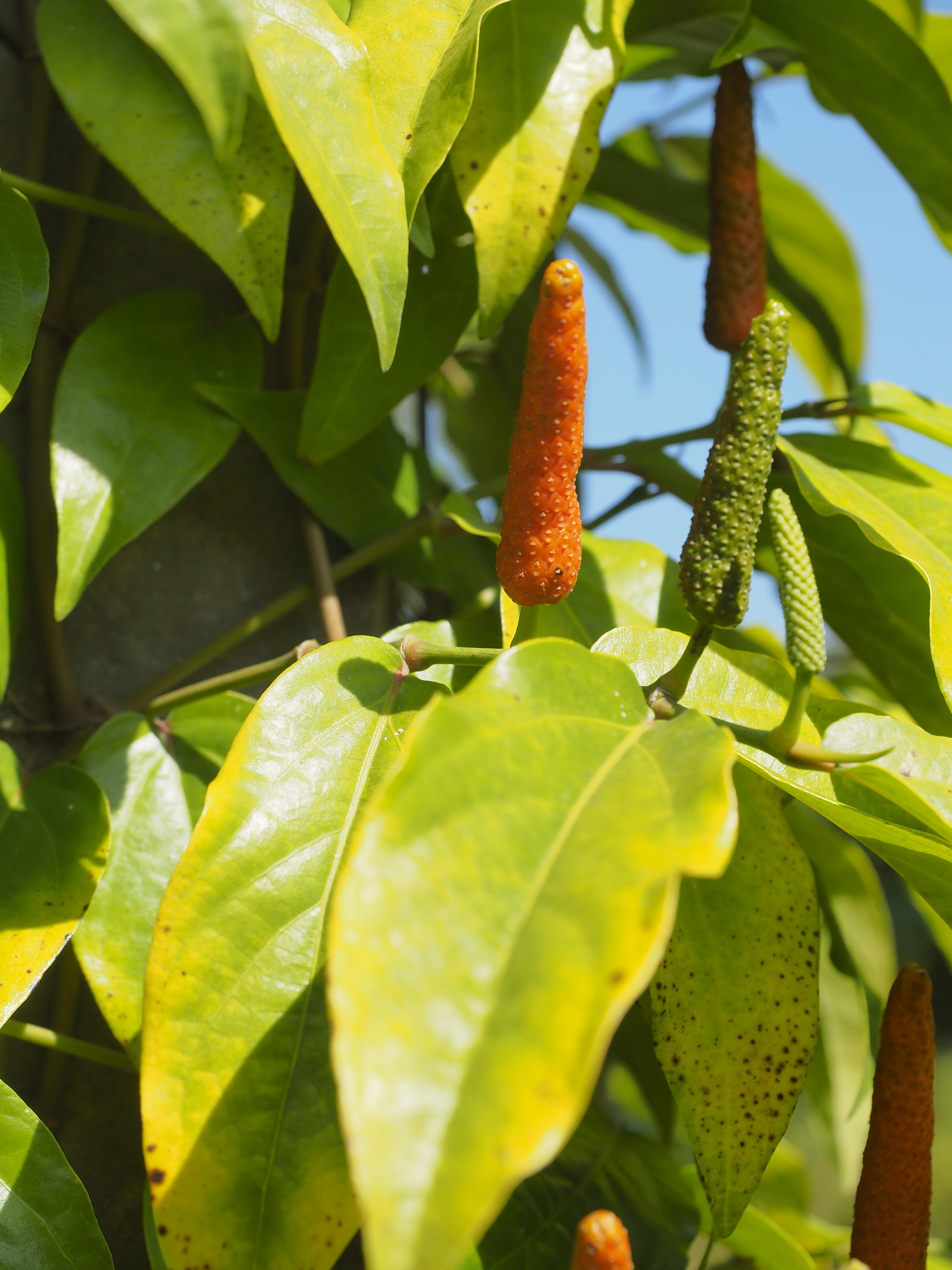
  • Pippali / Pimenta Longa Indiana
    openalex🗞️ Published on Ayurdrops: Sep 04, 2026📅 Source: Sep 03, 2026

    Ayurvedic Perspective on Sheetapitta and Urticaria

    Researchers explored the relationship between Sheetapitta, an Ayurvedic condition resembling urticaria, and its clinical manifestations. Dr. Kavita Bhadri and Dr. Sukruta M. M. discuss how dosha imbalance, especially the increase of Kapha and Vata, can lead to allergic skin reactions, resulting in skin rashes. The study suggests that the Ayurvedic approach to treating Sheetapitta may include the use of herbs that promote dosha balance and improve digestion, such as Pippali (Piper longum) and Turmeric (Curcuma longa). Additionally, it emphasizes the importance of identifying and avoiding trigger factors, such as foods and stress, that can aggravate the condition. Although the study provides valuable insights, limitations such as the lack of a control group and the need for further clinical research are highlighted.

  • openalex🗞️ Published on Ayurdrops: Sep 04, 2026📅 Source: Sep 03, 2026

    The Role of Sleep in Maintaining Agni, Ojas, and Vyadhikṣamatva: An Integrative Review

    Researchers highlight the importance of sleep in maintaining Agni, Ojas, and Vyadhikṣamatva, fundamental concepts in Ayurveda related to digestion, vitality, and disease resistance. The integrative review, conducted by Dr. Muskan Patidar and colleagues, explores how sleep quality impacts these elements, aligning Ayurvedic and contemporary perspectives. Adequate sleep is seen as an essential regulator of Agni, which is digestion and metabolism, and Ojas, which represents vitality and immunity. Furthermore, the research suggests that sleep deprivation can compromise Vyadhikṣamatva, or the body's ability to resist disease. The connection between sleep and these concepts is supported by contemporary evidence showing how lack of sleep affects physical and mental health, reflecting the ancient wisdom of Ayurveda on the importance of rest. However, the review also points out limitations, such as the need for more clinical studies to validate these associations in different populations.